
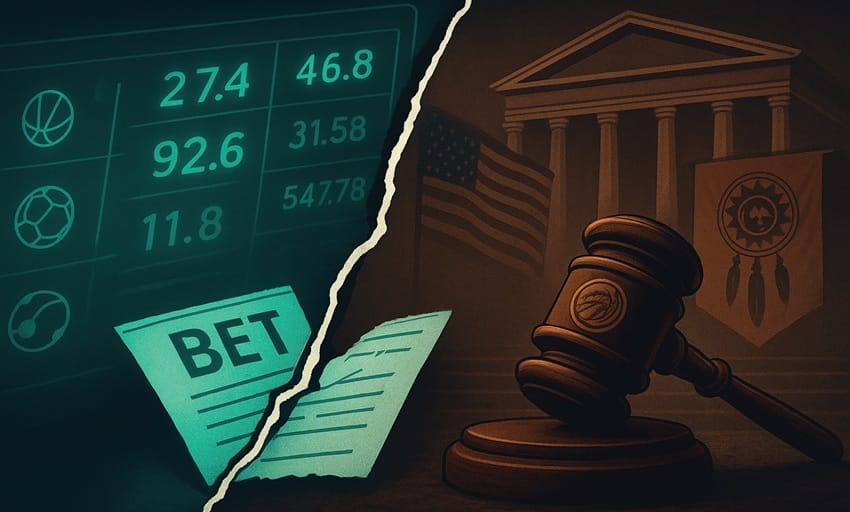
Wisconsin prosecutors have filed complaints against multiple crypto-linked platforms, arguing their prediction markets function as illegal betting systems. The move matters because it escalates a growing state-level challenge to event-based contracts offered across the U.S.
The filings in Dane County name Crypto.com, Polymarket, and Kalshi, along with distribution partners Robinhood and Coinbase. Prosecutors claim users pay to take positions on real-world outcomes, receiving fixed payouts based on results, which fits the state’s definition of gambling.
Do Prediction Markets Fall Under Gambling Laws?
At issue are contracts tied to events such as NCAA tournament games, where prices reflect probabilities and settle at $1 or $0.
Wisconsin Attorney General Josh Kaul said, “Thinly disguising unlawful conduct doesn’t make it lawful,” pointing to platform marketing language referencing betting.
The case builds on similar enforcement actions in other states, including New York, where authorities have sought billions in penalties tied to unlicensed event contracts. Those filings included demands of at least $2.2 billion from Coinbase and $1.2 billion from Gemini, signaling the financial scale of regulatory risk.
Platforms and industry participants continue to argue that event contracts fall under federal derivatives oversight. Kalshi has maintained that its products qualify as swaps regulated by the Commodity Futures Trading Commission (CFTC) (US), a position supported by a recent appellate ruling that treated federal inaction as jurisdictional acceptance.
Still, states including Nevada and New York have maintained that such contracts are indistinguishable from gambling under local law. This divergence is intensifying a jurisdictional conflict between federal derivatives frameworks and state gaming regulations.
Will courts ultimately classify prediction markets as financial instruments or wagers? The next catalyst will be whether escalating state cases converge into a Supreme Court review that defines jurisdiction across the sector.



