
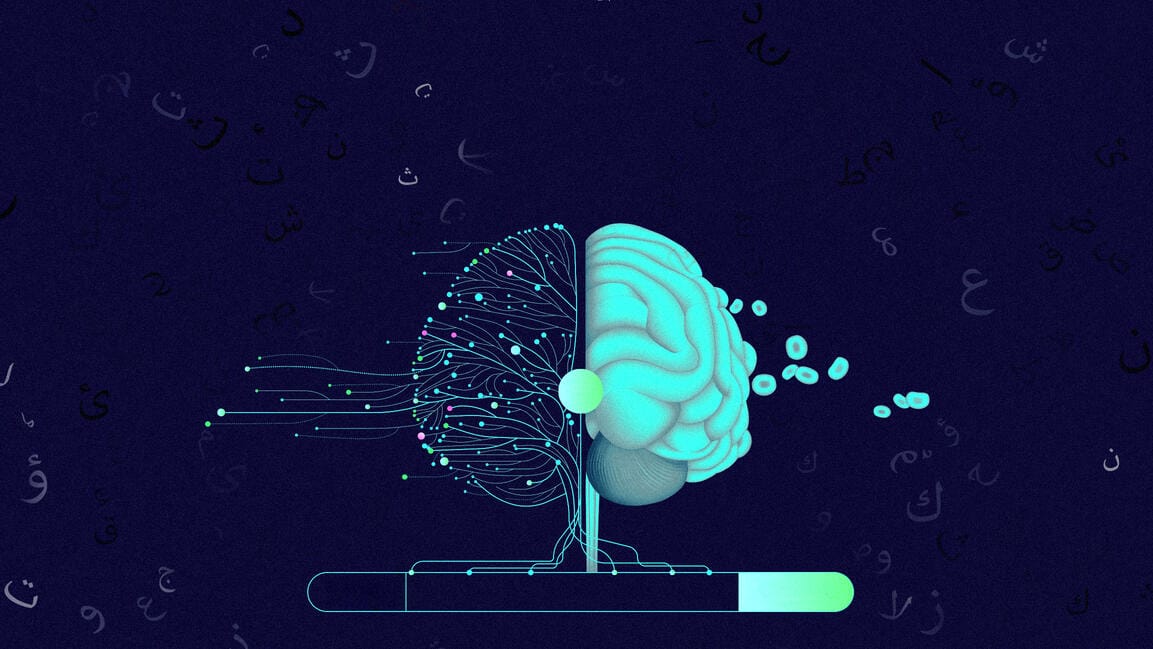
As artificial intelligence continues to evolve at breakneck speed, a new challenge is emerging—not one of intelligence, but of communication. While AI models are growing more powerful, they’re also increasingly isolated, speaking in different technical “languages” that prevent true collaboration. The future of AI may depend not just on how smart these systems become, but how well they can talk to each other.
The Digital Tower of Babel
Today’s AI landscape resembles a high-tech Tower of Babel: dozens of capable systems, each impressive on its own, yet unable to cooperate due to incompatible communication methods. These isolated systems slow innovation and limit the full potential of collective machine intelligence.
To fix this, the AI industry is racing to build something akin to a universal translator—a standardized protocol that allows different AI models and agents to connect, share data, and collaborate efficiently.
The Contenders: MCP, ACP, and A2A
Several protocols are currently vying for this role:
- Anthropic’s Model Context Protocol (MCP) is one of the frontrunners. It’s designed to let an AI model securely access external tools and data. Backed by a major AI company, MCP is easy to implement and widely adopted. But it’s focused on enhancing the abilities of a single AI, not fostering teamwork among multiple agents.


- IBM’s Agent Communication Protocol (ACP) takes a different approach. As an open-source project, it emphasizes decentralized collaboration between AI agents. Built on familiar web standards, ACP aims to help AIs operate more like peers than tools, making it ideal for complex, cooperative tasks.
- Google’s Agent-to-Agent Protocol (A2A) positions itself as a bridge, not a replacement. It works in tandem with protocols like MCP but adds a layer for multi-agent coordination. Using “Agent Cards”—a kind of digital résumé—A2A helps AIs identify each other’s roles and responsibilities to collaborate more effectively.
A2A Protocol
Competing Visions for AI Cooperation
Each protocol reflects a different vision for AI’s future. MCP imagines a world dominated by powerful solo agents. ACP and A2A, meanwhile, support a distributed model—one where specialized agents handle different parts of a task and share the load.
Think of it like this: instead of one AI trying to do everything, a team of agents could divide and conquer. One could research the market, another design a product, and a third oversee manufacturing. In healthcare, specialized AIs could work together to develop personalized treatment plans by analyzing different aspects of a patient’s data.
This team-based model could revolutionize industries—if we can get the communication part right.
The Road Ahead
The so-called “protocol wars” are heating up, with no clear winner yet. Each protocol has strengths and trade-offs, and the endgame may not be a single universal standard. Instead, we might see a collection of interoperable tools, each suited to different environments and needs.
What’s clear is this: without a common language, AI’s progress will remain fragmented. Solving how AI systems talk to each other is more than a technical challenge—it’s the next crucial step in unlocking true machine collaboration.



