

Bitcoin’s Supply and the Mystery of Ownership
Bitcoin’s appeal has always rested on one simple rule — there will only ever be 21 million BTC. That scarcity has helped turn it from a niche experiment into a trillion-dollar asset class. But who actually owns all that bitcoin?
The answer isn’t straightforward. Every transaction is public on the blockchain, but the owners behind wallet addresses remain hidden. This pseudonymity makes it hard to tell whether a wallet belongs to a person, a company, or a government. Some coins are also permanently lost — forgotten passwords, misplaced hard drives — meaning the true circulating supply is smaller than it appears.
As of October 2025, here’s what we know about who holds the largest shares of Bitcoin across individuals, institutions, and states.
The Enigma: Satoshi Nakamoto
At the top of every Bitcoin-rich list sits Satoshi Nakamoto, the pseudonymous creator of Bitcoin. Analysts estimate Satoshi mined about 1.1 million BTC between 2009 and 2010 — roughly 5% of the total supply, worth over $120 billion today.
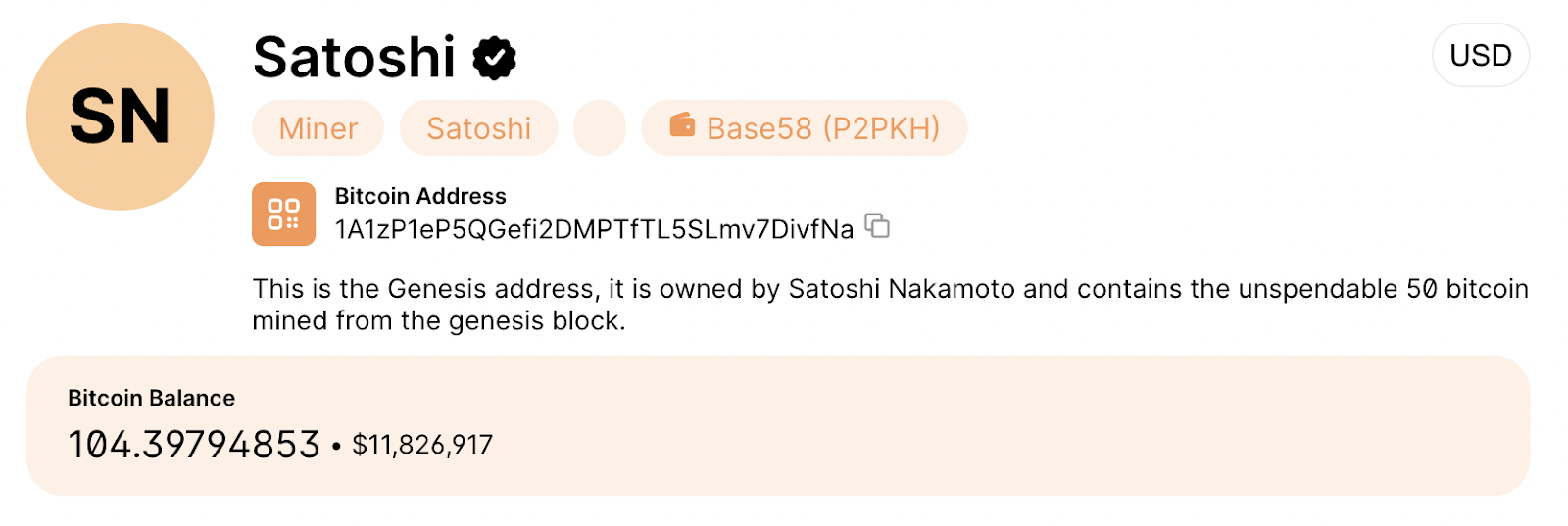
These coins, distributed across thousands of untouched wallets, have never moved. Blockchain researcher Sergio Demian Lerner identified a unique mining signature, known as the Patoshi pattern, which supports the 1.1 million BTC estimate. While theories about Satoshi’s real identity abound, none have been confirmed. The first Bitcoin wallet, the Genesis Address, still holds 104 BTC — a silent monument to the birth of crypto.
Bitcoin Whales and Early Adopters
A bitcoin whale is anyone controlling at least 1,000 BTC. Many are early miners, venture investors, or funds managing client assets. Well-known names include Tim Draper and the Winklevoss twins, both early believers in Bitcoin’s potential.
Whales often influence market stability — holding during downturns, or occasionally moving markets when they sell. But since wallets can shift and consolidate over time, identifying specific whales remains a moving target.
The Rise of Bitcoin ETFs
Bitcoin’s mainstream breakthrough came with the launch of spot ETFs in early 2024, letting traditional investors gain BTC exposure through regulated markets. As of late 2025, the largest holders include:
- BlackRock iShares Bitcoin Trust (IBIT): ~804,944 BTC
- Fidelity Wise Origin Bitcoin Fund (FBTC): ~207,151 BTC
- Grayscale Bitcoin Trust (GBTC): ~177,952 BTC
Together, these funds control over 1.1 million BTC, similar to Satoshi’s holdings — a sign of how institutional adoption has transformed Bitcoin’s ownership landscape.
Corporate and Private Treasury Holders
Corporations are now key players in Bitcoin’s ecosystem. Strategy (formerly MicroStrategy), led by Michael Saylor, holds about 640,808 BTC, making it the largest corporate holder. Other major players include:
- MARA (Marathon Digital): ~53,250 BTC
- XXI: ~43,514 BTC
- Metaplanet (Japan): ~30,823 BTC
Private firms like Block.one (~164,000 BTC) and Tether (~87,475 BTC) also maintain significant reserves. These holdings highlight Bitcoin’s growing role as a strategic asset, used both for diversification and as a long-term store of value.
Governments Enter the Picture
Several governments now hold bitcoin, mostly through seizures or reserves. The United States leads with around 326,588 BTC, much of it recovered from criminal cases like Silk Road and Bitfinex.
In 2025, a U.S. executive order under President Donald Trump established a formal strategic bitcoin reserve to manage these holdings.
Other state holders include:
- China: ~190,000 BTC (from the PlusToken case)
- United Kingdom: ~61,245 BTC
- United Arab Emirates: ~6,420 BTC (state mining)
- El Salvador: ~6,363 BTC (direct purchases)
Custodial Wallets and Exchange Holdings
Finally, many of the world’s largest Bitcoin wallets belong to crypto exchanges, not individuals. These custodial accounts store customer assets and constantly shift with deposits and withdrawals. While they appear massive on-chain, they represent millions of individual investors worldwide.
The Bottom Line
So, who owns the most Bitcoin? The short answer: a little bit of everyone. From the mysterious Satoshi Nakamoto to Wall Street giants, mining firms, and national governments, Bitcoin’s ownership has become global, diversified, and complex.
And as adoption deepens — through ETFs, corporate treasuries, and state reserves — Bitcoin’s story is less about who holds it, and more about how its decentralized nature keeps redistributing power across the world’s financial map.



