
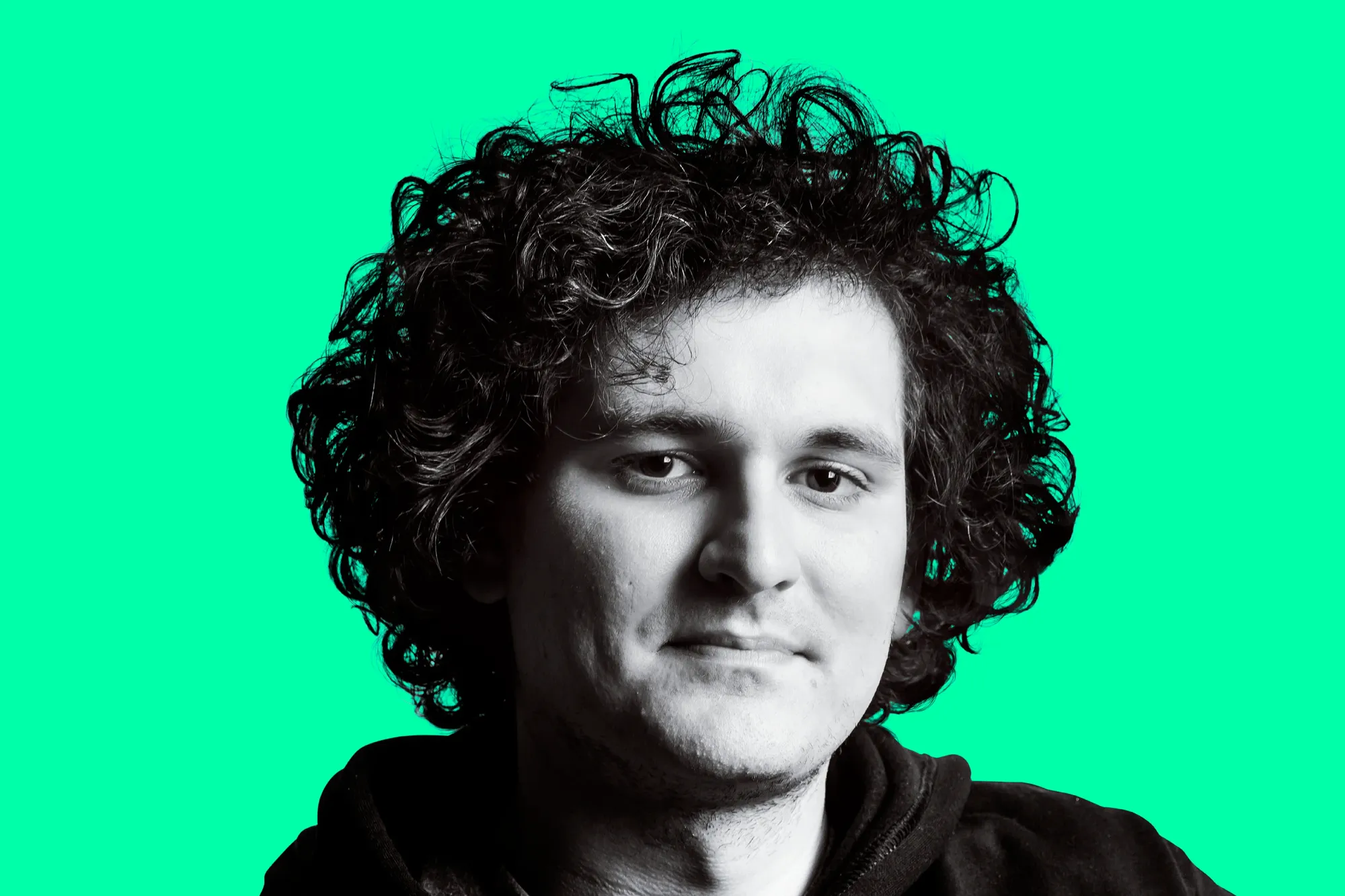
Sam Bankman-Fried—better known by his initials SBF—was once hailed as the golden boy of crypto. As co-founder of FTX, one of the world’s largest cryptocurrency exchanges, and Alameda Research, a major trading firm, he amassed a multibillion-dollar fortune before turning 30. By late 2022, his empire imploded almost overnight, transforming him from a billionaire philanthropist into one of the most controversial figures in digital finance.
This is the story of his meteoric rise and dramatic fall.
Early Life and Education
Born in 1992 in California to two Stanford Law School professors, Bankman-Fried grew up in a household steeped in utilitarian philosophy—the idea that actions should maximize overall good. That worldview shaped his later commitment to effective altruism, a movement that promotes “earning to give.”
Although he disliked the rigid structure of school, he thrived in intellectually challenging environments. Summers at the Canada/USA Mathcamp honed his problem-solving skills, and later he earned a physics degree with a math minor from MIT in 2014.
During college, a talk by Will MacAskill—one of the founders of effective altruism—proved pivotal. It gave SBF’s utilitarian leanings both a name and a mission.
First Steps Into Finance
After interning at Jane Street Capital, a Wall Street trading firm, Bankman-Fried joined full-time, trading international ETFs. True to his altruistic values, he donated more than half his earnings to charity. But by 2017, he left traditional finance, intrigued by the volatility and inefficiency he saw in crypto markets.
Alameda Research: Arbitrage and Early Success
That same year, SBF launched Alameda Research with his MIT classmate Gary Wang. The firm initially focused on arbitrage trading—profiting from price differences across markets. For example, Bitcoin traded nearly 30% higher in Korea than in the U.S. Exploiting that gap reportedly earned Alameda about $20 million in its first few months.
By 2021, Bankman-Fried owned roughly 90% of the firm. Alameda soon became a key player in the crypto ecosystem, serving as both a trading powerhouse and liquidity provider.
Building FTX: A Crypto Exchange for the Big Leagues
Frustrated with poorly managed offshore exchanges, Bankman-Fried and Wang decided to build their own. In 2019, they launched FTX, short for “Futures Exchange.”
FTX stood out by:
- Allowing traders to hold all margin in one wallet as collateral.
- Offering a wide range of products—derivatives, tokenized stocks, prediction markets, and more.
- Pitching itself as a safer, more professional alternative to competitors.
The strategy worked. Within a year, FTX was valued at over $1 billion. By early 2022, its valuation had soared to $32 billion, serving more than a million users and ranking among the top five exchanges worldwide.
Philanthropy and Politics
SBF’s fortune funded his ambitious altruistic and political goals. He signed the Giving Pledge in 2022, promising to donate most of his wealth. He claimed to have given $50–$100 million to causes like animal welfare, pandemic preparedness, and climate change.
Politically, he was one of the largest donors to the Biden campaign in 2020, contributing $5.2 million. Ahead of the 2022 U.S. midterms, he donated around $40 million, largely to Democratic candidates, and at one point suggested he might spend up to $1 billion on the 2024 election (a claim he later walked back).
The Fall of FTX
The turning point came in November 2022, when a leaked report revealed that Alameda Research’s balance sheet was heavily reliant on FTT, FTX’s native token. Concerns about the firms’ intertwined finances spooked investors.
Things escalated when Binance CEO Changpeng Zhao (CZ) announced he was selling his firm’s FTT holdings. The token’s value plunged, triggering a liquidity crisis. FTX was soon unable to process customer withdrawals, effectively freezing billions of dollars in user funds.
On November 11, 2022, FTX, Alameda Research, and dozens of affiliates filed for Chapter 11 bankruptcy. Overnight, SBF’s estimated $16 billion fortune evaporated.
Legacy and Lessons
Sam Bankman-Fried’s story is both cautionary tale and case study in unchecked growth. In just four years, he went from Wall Street trader to crypto billionaire and back to insolvency. His embrace of effective altruism and philanthropy made him a darling of certain circles, but the collapse of FTX raised deep questions about transparency, governance, and risk in crypto.
Today, SBF remains a symbol of the crypto industry’s extremes: rapid innovation, staggering wealth creation, and the devastating consequences of mismanagement.



