
Zora is quickly becoming a major player in the Web3 creator economy. By letting users mint their digital content directly onto the blockchain, it’s reshaping how creators publish, own, and earn from their work. Whether you’re curious about the Zora app, the Zora Network, or its token model, this guide breaks down what makes it stand out—and what challenges lie ahead.
Zora in a Nutshell
At its core, Zora is a platform where creators can tokenize their work. Whether it’s a meme, photo, video, or short-form post, the Zora app allows users to mint content directly on-chain, turning posts into digital assets that can be collected, resold, or traded.
Update:
— Zora (@zora) May 1, 2025
+ All new coins are paired with $zora instead of eth
+ Creators now earn their rewards in $zora
+ You can buy coins using $zora and $usdc
+ You can manage your $zora in the app
Have fun :) pic.twitter.com/OVYMQ209GU
Available on both iOS and Android, Zora has streamlined the process: mint, list, discover, and collect—all in one app. Unlike traditional platforms that treat content as ad fodder, Zora flips the script by making content the product and ownership the central value.
The Zora Platform and Network
Zora runs on its own layer-2 blockchain, built on Ethereum’s OP Stack. This L2 infrastructure, known as the Zora Network, enables high-speed and low-cost minting, ideal for media-rich content and large-scale drops. Every transaction on the Zora app—every minted image, video, or message—is processed by this underlying network.
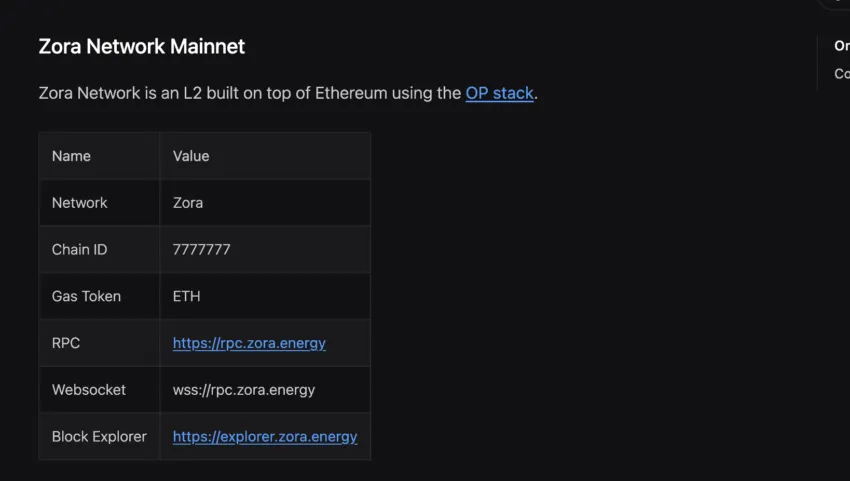
That backbone allows Zora to scale without the bottlenecks or high fees typically associated with Ethereum, while still tapping into its security and ecosystem.
Why Zora Stands Out
Zora isn’t just another NFT platform. What separates it from others like Mint.fun or Lens Protocol is its seamless mobile experience, on-chain-first philosophy, and creator-focused token model. There’s no engagement algorithm shaping what you see. No ad system. No gatekeepers.
$ZORA is for fun only and not for investment purposes. This communication is not intended to be a solicitation anywhere not permitted by applicable law.
— Zora (@zora) April 23, 2025
Everything you post on Zora becomes an actual asset, giving creators a way to directly monetize their audience and retain control over their digital output. The app's design emphasizes minting over engagement—content is not just seen, it’s owned.
The $ZORA Token Explained
Launched in April 2025, the $ZORA token isn’t about governance—it’s about fueling activity. With a total supply of 10 billion tokens, its primary function is to reward creators and drive participation across the ecosystem.
- 10% went to early users through an airdrop
- 20% funds grants and community incentives
- 26.1% reserved for investors and advisors
- 18.9% allocated to the core team
- 20% sits in a treasury for long-term growth
The airdrop remains open, and users who have interacted with Zora from as far back as 2020 are eligible. The token ties into perks across the app, from early access to content to reduced minting costs on the Zora Network.
Challenges and Limitations
Like any on-chain platform, Zora isn’t without friction. While the app smooths the process for mobile minting, new users still run into issues—from buggy uploads to unintuitive wallet interactions. And despite lower fees, minting at scale can add up, especially for creators without an active collector base.
Additionally, the audience remains niche. While Zora and similar platforms are growing, they haven’t yet cracked the scale of mainstream apps. That means limited reach—at least for now.
And with permanence comes risk. Content minted on-chain can’t be deleted or edited, meaning creators must navigate a world where every action is final.
What’s Next?
Zora is laying the groundwork for a new kind of creator economy—one where content isn’t rented out for attention but owned, traded, and rewarded. With its own network, a growing token ecosystem, and a clear vision for on-chain creation, Zora is making it easier for creators to claim their space in Web3.



