
Gold’s Long History, Updated for a Digital World
For centuries, gold has played a quiet but steady role in global finance. When currencies weaken or markets turn volatile, investors often turn to gold for stability. The problem is practical, not philosophical. Physical gold is expensive to buy in large chunks, difficult to store securely, and inconvenient to move.
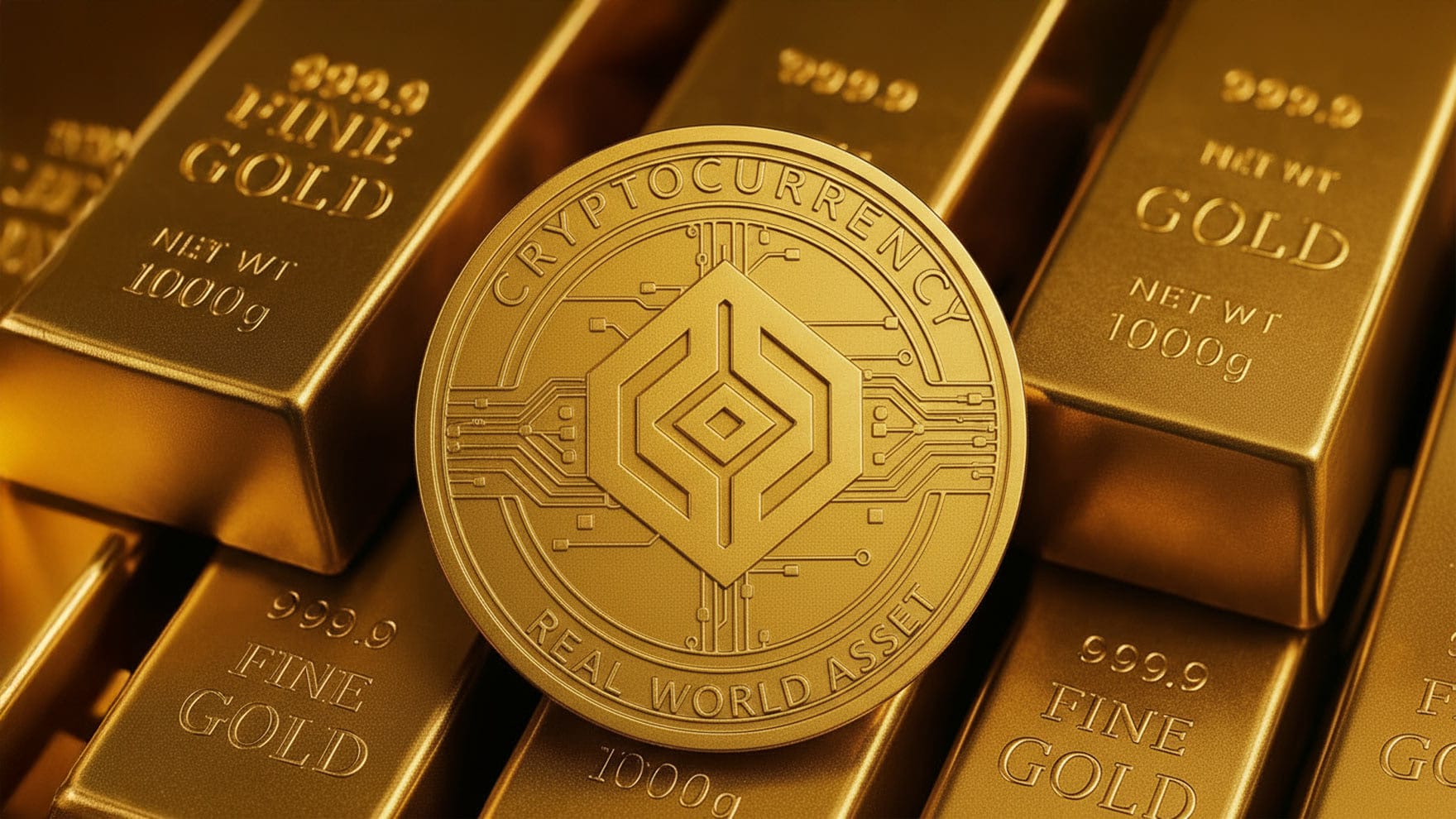
Tokenized gold is an attempt to modernize that experience. By placing ownership of physical gold onto a blockchain, it offers the defensive qualities of gold with the speed and flexibility of digital assets. This approach falls under a broader crypto trend known as real-world assets, or RWAs, where tangible assets are represented on-chain.
The idea has gained traction as investors look for safer crypto-adjacent instruments without giving up transparency or liquidity.
What Tokenized Gold Actually Is
Tokenized gold is a digital token that represents ownership of real, physical gold stored in a vault. In most cases, each token is backed one-to-one by a fixed amount of gold, often one troy ounce or one gram.
These tokens behave similarly to stablecoins, but instead of tracking the US dollar, their value follows the global price of gold. They exist on blockchains such as Ethereum or Binance Smart Chain, which means they can be sent, traded, or integrated into decentralized finance platforms just like other crypto assets.
Behind the scenes, a regulated custodian holds the gold and is responsible for safeguarding it.
How the Tokenization Process Works
The process typically starts with an issuer purchasing physical gold and placing it in insured vaults. Once the gold is secured, smart contracts are used to mint digital tokens that correspond exactly to the amount of gold held in reserve.
To maintain trust, reputable issuers rely on third-party audits and regular attestations. Some projects also use blockchain oracles, such as Chainlink, to publish proof-of-reserve data on-chain. This allows users to verify that the circulating tokens are fully backed.
If a holder chooses to exit, they can usually sell the token on an exchange. Some issuers also allow redemption for physical gold, though this often comes with minimum thresholds and processing fees. When redemption occurs, the corresponding tokens are permanently removed from circulation.
Why Investors Are Paying Attention
One of the biggest advantages of tokenized gold is accessibility. Instead of buying an entire gold bar, investors can own a fraction of a token, lowering the barrier to entry significantly.
Liquidity is another factor. Traditional gold markets operate on fixed schedules, while tokenized gold trades around the clock. Transactions settle quickly, without the delays common in legacy systems.
Transparency also plays a role. Blockchain records provide a clear trail of ownership, and when paired with audits, they offer more visibility than some paper gold products.
Perhaps most notably, tokenized gold can be used in DeFi. It can serve as collateral, be added to liquidity pools, or support lending strategies. Physical gold locked in a vault cannot do any of that.
Leading Tokenized Gold Projects
Two of the most widely used examples are Tether Gold (XAUt) and Paxos Gold (PAXG).
XAUt is issued by Tether and represents one troy ounce of gold stored in Swiss vaults. Paxos Gold, issued by Paxos Trust Company and regulated in New York, is backed by gold held in Brink’s vaults in London. Both aim to closely track spot gold prices and publish reserve information for verification.
Risks Worth Understanding
Tokenized gold is not risk-free. Unlike Bitcoin, it relies on custodians and issuers. If those entities fail to manage reserves properly or face legal trouble, holders could be affected.
Regulation is another open question. Laws around stablecoins and RWAs are still evolving, and future policy changes could influence how these tokens are issued or traded.
Liquidity, while improving, remains smaller than the global physical gold market. Fees, including blockchain transaction costs and custody charges, can also reduce returns over time.
Final Thoughts
Tokenized gold sits at the intersection of traditional finance and crypto innovation. It doesn’t replace physical gold, but it reshapes how people access and use it. For investors looking to hedge risk without dealing with vaults and logistics, gold-backed tokens offer a practical middle ground.
As real-world asset infrastructure matures, tokenized gold is likely to become a familiar tool rather than a niche experiment.



