
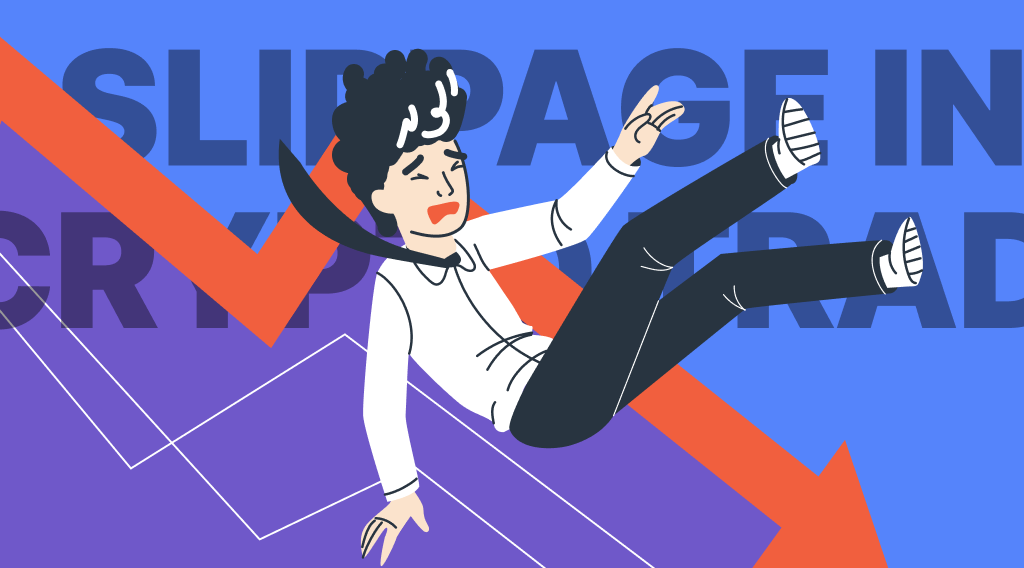
If you’ve ever placed a crypto trade only to see the final price shift at the last second, you’ve experienced slippage. It’s one of those trading realities that can make or break profitability, especially in fast-moving markets like Bitcoin, Ethereum, or low-liquidity altcoins.
So what exactly is slippage, and how can traders manage it? Let’s break it down.
Slippage Explained
Slippage is the difference between the price you expect when entering a trade and the price you actually get once it executes.
Think of it like this: you spot a pair of sneakers for $100, but by the time you check out, the price has jumped to $115. That extra $15 is slippage.
In crypto, slippage often happens when markets are highly volatile or when there isn’t enough liquidity to fill your order at the intended price.
The Two Types of Slippage
Not all slippage is bad. In fact, sometimes it can work in your favor.
Positive Slippage
This occurs when a trade executes at a better price than expected.
- Buy orders: You get the asset cheaper.
- Sell orders: You sell at a higher price.
While the differences are often small, positive slippage can add up for high-frequency traders.
Negative Slippage
This is the more common (and frustrating) type.
- Buy orders: You pay more than planned.
- Sell orders: You earn less than expected.
Negative slippage is usually triggered by sudden price swings or shallow liquidity, both of which are frequent in the crypto space.
Why Slippage Happens in Crypto
Slippage comes down to a few key market mechanics:
- High Volatility: Crypto prices can move sharply in seconds, leaving orders behind.
- Low Liquidity: If there aren’t enough buyers and sellers at your price, your order spills into worse price levels.
- Order Book Depth: A “thin” order book means even small trades can move the market.
- High Trading Volume: News-driven surges can overwhelm exchanges and cause orders to fill at worse prices.
- Execution Delay: Even milliseconds matter in crypto, and delays can mean missed price points.
How to Reduce Slippage in Trading
You can’t eliminate slippage completely, but you can manage it with smart strategies:
- Use Limit Orders: Set the maximum you’ll pay (buy) or minimum you’ll accept (sell).
- Be Cautious with Market Orders: They’re fast but most vulnerable to slippage.
- Choose Liquid Markets: Trade on exchanges with high volume and deeper order books.
- Break Up Large Orders: Smaller trades often get better fills.
- Set Slippage Tolerance: Many platforms let you define the max difference you’ll accept—though setting it too low can cause trades to fail.
Final Thoughts
Slippage is part of the cost of trading crypto. Sometimes it helps you, more often it hurts—but understanding why it happens and how to control it can make a real difference in your bottom line.
By sticking to liquid markets, using limit orders, and adjusting order sizes, traders can keep slippage from eating into profits and navigate volatile crypto markets with more confidence.



