
A New Take on Prediction Markets
Prediction markets have been around for years. They let people bet on real-world outcomes, with prices reflecting how likely something is to happen. If a contract trades at 0.7, the market sees a 70% chance of that event occurring.
Opinion brings this idea fully on-chain. It combines a trading exchange, AI-powered data processing, and decentralized finance (DeFi) tools into one system. The goal is simple: turn real-world uncertainty into tradable assets, but do it with speed, transparency, and scale.
So far, the platform has processed over $23.6 billion in total prediction volume, showing early traction in a space that’s still evolving.
How Opinion Actually Works
At its core, Opinion runs on a four-part system called the “Opinion Stack.”
The first layer, Opinion.Trade, is where users interact directly.

It functions like a traditional exchange, using a central limit order book (CLOB) to match buyers and sellers in real time. You can take “Yes” or “No” positions on events ranging from economic data releases to sports outcomes. There’s also a 50% maker rebate paid in USDT, aimed at active traders.
Then there’s Opinion AI, which handles one of the hardest problems in prediction markets: deciding outcomes. Instead of relying on a single data source, it uses multiple AI agents to analyze real-world information and resolve markets through smart contracts. It also checks whether new markets are clearly defined before they go live, reducing disputes later.
Liquidity is handled by the Opinion Metapool. Unlike traditional systems where each market has its own pool, this model aggregates liquidity across the platform. That can mean tighter spreads and more reliable pricing.
Finally, the Opinion Protocol is designed to connect everything beyond a single platform. It introduces a shared token standard so prediction markets can interact across different ecosystems.
Using the Platform
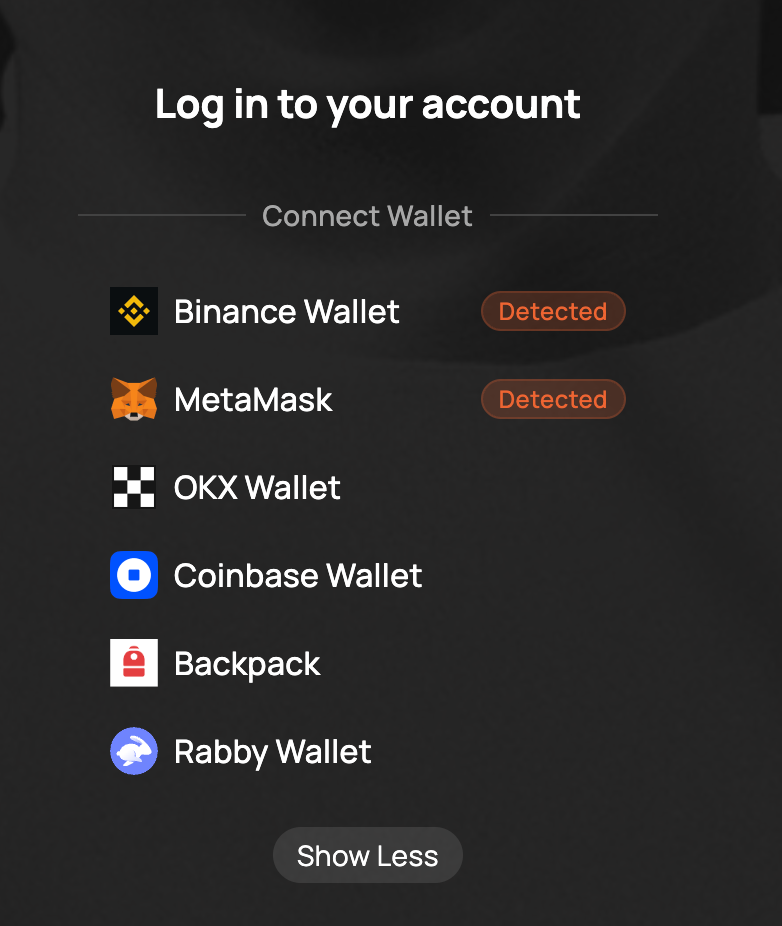
Getting started is straightforward. Users connect a Web3 wallet, browse available markets, and place trades based on their expectations.
Prices range between 0 and 1, reflecting probability. If you think the market is wrong, that’s your edge.
You can also create your own market. Opinion AI reviews the rules to make sure they’re clear and measurable before allowing it to go live. This helps avoid vague or unresolvable outcomes, which have been a long-standing issue in prediction markets.
If a result is disputed, users can stake OPN tokens to challenge or defend it. This creates a built-in verification system driven by incentives rather than central authority.
What the OPN Token Does
OPN is the backbone of the ecosystem. It has a fixed supply of 1 billion tokens and serves three main purposes.
First, governance. Token holders can vote on protocol changes.
Second, incentives. Traders and liquidity providers can earn rewards.
Third, dispute resolution. Users stake OPN to validate or challenge outcomes.
At launch, about 19.85% of the supply was unlocked. Larger allocations for investors and the team come with a 12-month lockup, followed by gradual release over two years.
Binance Listing and Market Access
Opinion gained early visibility through Binance Launchpool, where users farmed OPN by locking assets like BNB and USDC in March 2026.
The token was listed shortly after on Binance Spot, with multiple trading pairs including OPN/USDT and OPN/BNB. A seed tag was applied, signaling that it’s still considered an early-stage asset.
Why It Matters
Prediction markets promise something powerful: a way to aggregate information and price future outcomes in real time. But they’ve struggled with liquidity, trust, and scalability.
Opinion tries to tackle all three at once. It blends trading infrastructure, AI-driven validation, and shared liquidity into a single system. That’s ambitious.
Whether it works long term depends on adoption, accuracy of its AI resolution layer, and how well it handles disputes at scale. For now, it’s one of the more structured attempts to bring prediction markets into the DeFi era.
If you’re exploring similar trends, you might also look into how platforms like Kalshi or Polymarket are shaping off-chain prediction markets, and how stablecoin growth is influencing trading infrastructure across crypto.



