
What Exactly Is “Gas” in Ethereum?
If you’ve ever made a transaction on the Ethereum network—whether minting an NFT, sending ETH, or swapping tokens—you’ve paid a gas fee. But what exactly is gas in crypto?
In plain terms, gas is the fee paid to use Ethereum’s network. Every action—from transferring ETH to running a smart contract—requires computing power. Gas pays the validators (or miners, pre-Merge) who process and confirm those transactions.
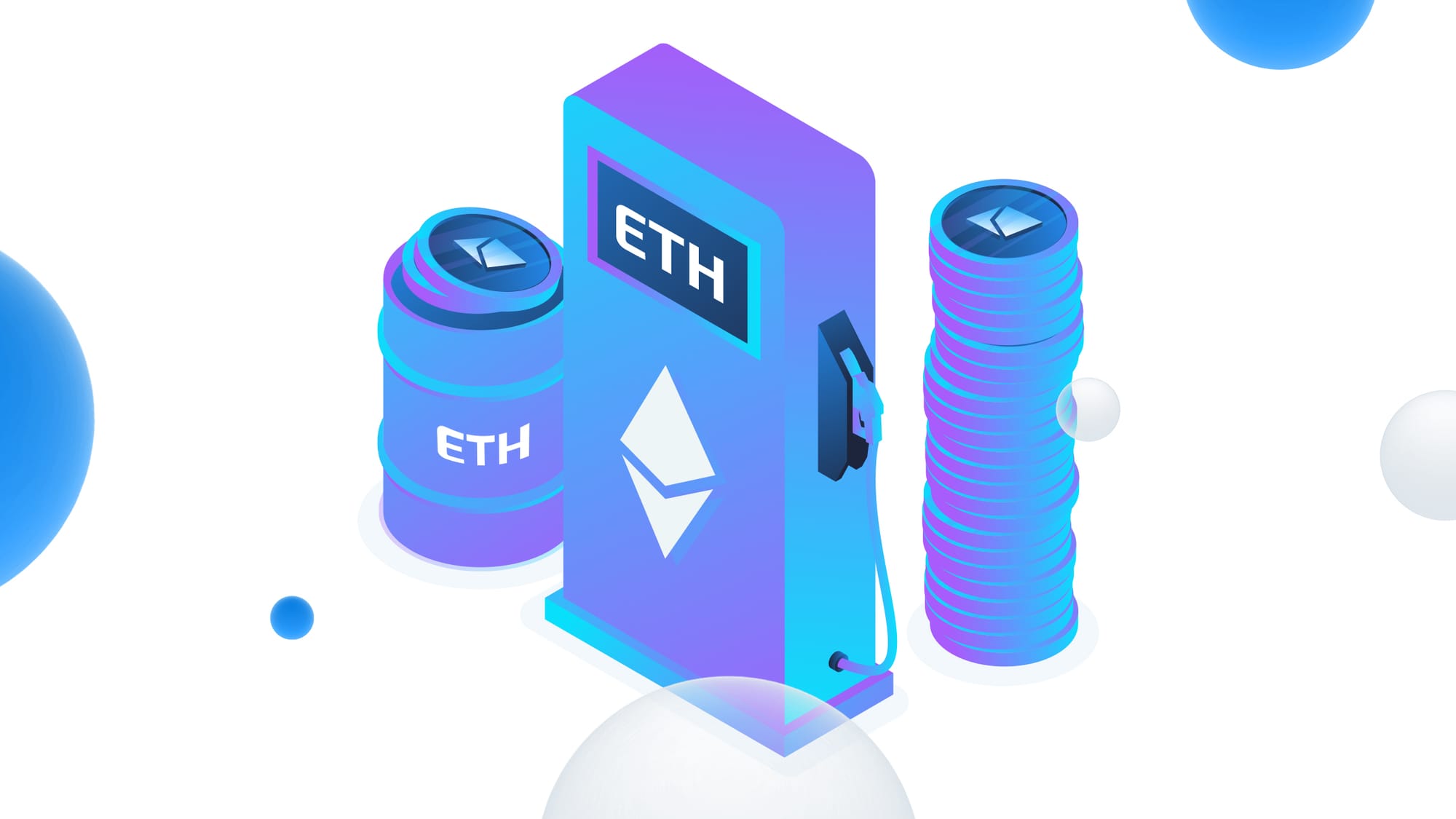
Think of gas like the fuel that powers a car. No fuel? No movement. No gas? No transaction.
Why Does Ethereum Charge Gas Fees?
Ethereum, like other blockchains, is decentralized. Instead of relying on a central server, it uses thousands of independent nodes to maintain the network. These nodes need incentives to process data honestly and quickly. That’s where gas comes in—it compensates them for doing the work.
Gas also plays another important role: it prevents spam. By making each action cost something, the network discourages pointless or malicious activity.
How Are Gas Fees Calculated?
Ethereum gas isn’t a flat fee. Instead, it depends on:
- Gas limit: The maximum amount of gas you're willing to spend on a transaction.
- Base fee: A network-wide minimum set per block, based on demand.
- Priority fee (tip): Optional extra paid to incentivize faster processing.
Since Ethereum’s 2021 upgrade known as EIP-1559, the base fee is burned (removed from supply), while the tip goes to validators. This change helped make fees more predictable—and Ethereum slightly deflationary.
Why Are Gas Fees Sometimes So High?
During peak demand—say, when a hyped NFT collection drops or a memecoin goes viral—gas fees can spike. That’s because users compete to get their transactions included in the next block, often by offering higher tips.
Imagine rush-hour traffic on a toll bridge. The more people trying to cross, the higher the toll becomes.
How to Save on Gas Fees
If you’re looking to cut costs, here are some tips:
- Avoid high-traffic times (weekends, NFT mints, etc.).
- Batch transactions when possible.
- Try Layer 2 solutions (like Arbitrum or Optimism) that offer lower fees.
Many users are now migrating everyday activity to these scaling networks, while Ethereum remains the settlement layer.
Final Thoughts
Gas might sound like just another crypto buzzword, but it’s a fundamental part of how Ethereum works. By understanding what gas is—and how fees are calculated—you’ll be better equipped to navigate the world of decentralized apps, smart contracts, and Web3.
Whether you’re a casual trader or a serious builder, knowing how to optimize for gas can save you both ETH and frustration.



