
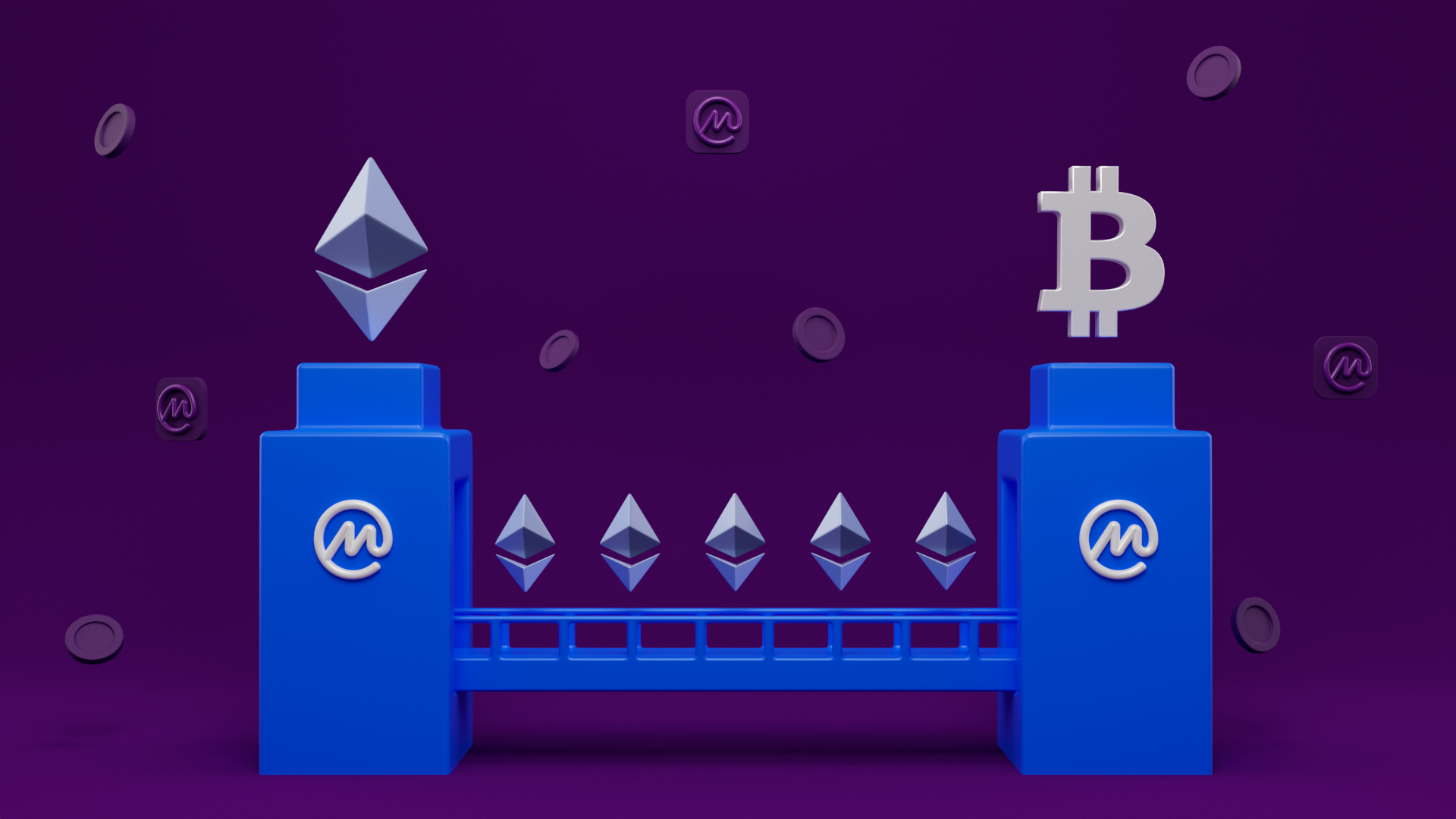
Why Interoperability Matters in Blockchain
Right now, the blockchain world is a patchwork of isolated networks. Ethereum, BNB Chain, Polygon, Cosmos, and others each operate as separate ecosystems — with their own rules, assets, and users. That might sound efficient, but it creates friction. Want to use your Ethereum tokens on a DApp built on Solana? Not so easy.
That’s where cross-chain interoperability comes in — it’s the ability for different blockchains to talk to each other. Not just to move tokens, but to exchange data, execute smart contracts, and build seamless user experiences across chains.
Think of it like the early internet before websites could link — siloed and clunky. Interoperability is the bridge that turns isolated chains into a connected ecosystem.
How Cross-Chain Interoperability Works
Cross-chain solutions let data, tokens, or commands travel between blockchains without fully migrating or duplicating them. Instead of burning and minting tokens across chains — which often requires third-party bridges and comes with risk — interoperability protocols aim for real-time, verifiable communication between chains.
This opens up major benefits:
- Developers can build DApps that work across multiple chains without redeploying code in every ecosystem.
- Users get smoother token transfers, unified experiences, and more flexibility.
- Ecosystems become less fragmented, boosting innovation and liquidity.
But this isn't easy. Different chains use different consensus models, programming languages, and security architectures — making seamless connection a major technical challenge.
Leading Interoperability Projects to Know
Here are some of the most important protocols working to connect the blockchain world:
🔗 Chainlink CCIP
The Cross-Chain Interoperability Protocol from Chainlink is designed as a universal messaging and token transfer layer for hundreds of chains. It standardizes how blockchains communicate, making cross-chain development far simpler.
🌉 Wormhole
Wormhole supports messaging and token transfers across chains, verified by a network of “guardians.” It powers xDapps — decentralized apps that work across multiple blockchains by design.
🧩 LayerZero
LayerZero enables lightweight cross-chain communication through ultra-light nodes. Its design minimizes overhead while still ensuring security through oracles and relayers.
🛰 Hyperlane
Hyperlane offers a modular approach to cross-chain messaging. It uses validator-based proof systems to ensure messages are delivered securely and reliably across chains.
🌌 Cosmos IBC
Cosmos pioneered Inter-Blockchain Communication (IBC) — a standard that lets Cosmos-based chains (like Osmosis) swap assets and data with each other in real-time.
🧬 Avalanche Warp Messaging
AWM allows custom message specs for communication across subnets in Avalanche. It’s especially developer-friendly for building tailored cross-chain experiences.
⛓ BTC Relay
This project brings Bitcoin block headers into Ethereum, enabling trustless verification of Bitcoin transactions on Ethereum — effectively linking the two biggest chains.
🧵 Polkadot XCM
Polkadot’s Cross-Consensus Message Format (XCM) allows secure messaging across its parachain network. Tools like Moonbeam’s XCM SDK help developers build cross-chain DApps in Polkadot’s ecosystem.
🌐 Axelar
Axelar uses General Message Passing and delegated proof of stake to create secure bridges across chains. Its app, Satellite, connects Ethereum tokens with Cosmos-native apps.
Pros and Trade-Offs
The upside of interoperability is clear: more efficiency, less fragmentation, better user experiences, and new kinds of DApps.
But there are real trade-offs. Connecting chains introduces complexity — and potentially new security risks. Differing consensus mechanisms, language barriers, and governance models can make coordination difficult. And as recent bridge hacks have shown, cross-chain systems are only as strong as their weakest link.
Final Thoughts
Cross-chain interoperability is essential if blockchain is ever going to scale beyond its current silos. While no solution has emerged as the winner yet, the tech is rapidly evolving. Projects like Chainlink, LayerZero, and Cosmos IBC are setting the pace, each with its own approach to a shared goal: a more connected blockchain future.
As solutions become more stable and secure, expect interoperability to unlock entirely new layers of innovation across DeFi, gaming, NFTs, and beyond.



