
What a Blockchain Explorer Actually Does
Blockchains are transparent by design, but that doesn’t mean they’re easy to read. Raw blockchain data is dense, technical, and not built for everyday users. That’s where blockchain explorers come in.
A blockchain explorer works like a search engine for on-chain data. It lets you look up transactions, wallet addresses, and blocks in a clear, readable format. Instead of scanning lines of code, you get structured information you can understand in seconds.
If you’ve ever sent crypto and wondered whether it arrived, an explorer is the fastest way to check.
How Blockchain Explorers Work
Behind the scenes, public blockchains store data across a network of computers known as nodes. Every transaction is recorded and grouped into blocks, which are linked together chronologically.
A blockchain explorer connects to these nodes and pulls that raw data into a searchable database. It then organizes everything into a simple interface you can browse in your web browser.
Think of the blockchain as a massive public ledger. The explorer is the tool that translates that ledger into something readable.
What You Can Look Up
Explorers give you access to a wide range of useful data. Here’s what you’ll typically find:
Transaction details
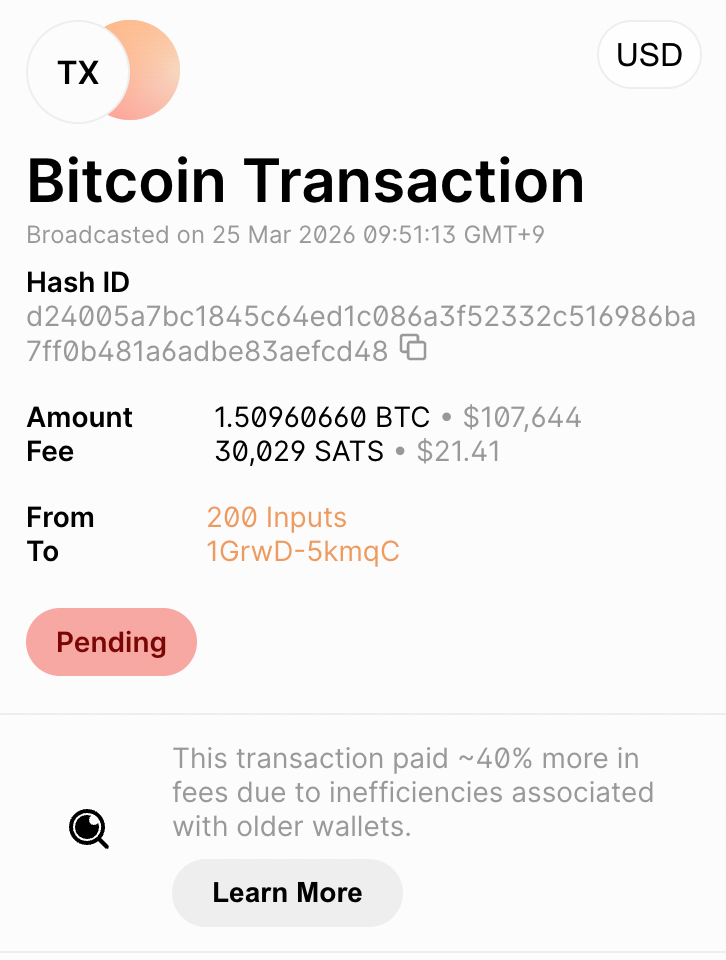
Search using a transaction ID (TXID), and you’ll see the sender, receiver, amount, fees, timestamp, and confirmation status.

Wallet activity
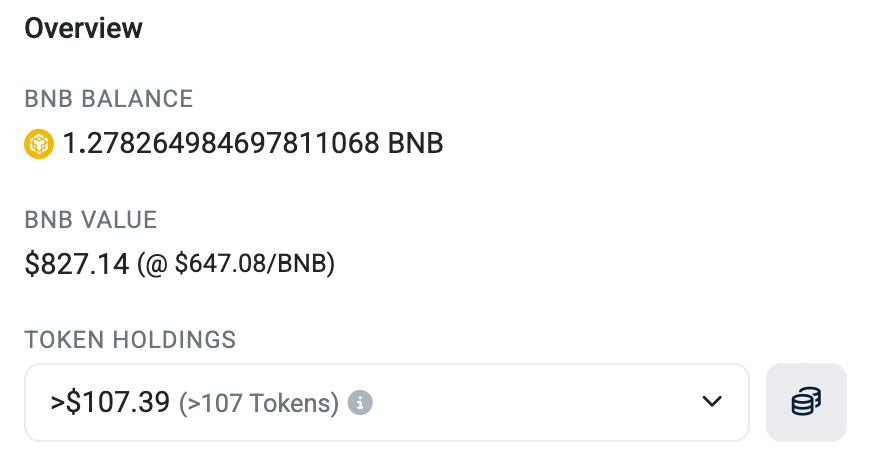
Enter a wallet address to view balances, past transactions, and token holdings. This is often used to verify payments or monitor large accounts.
Block data
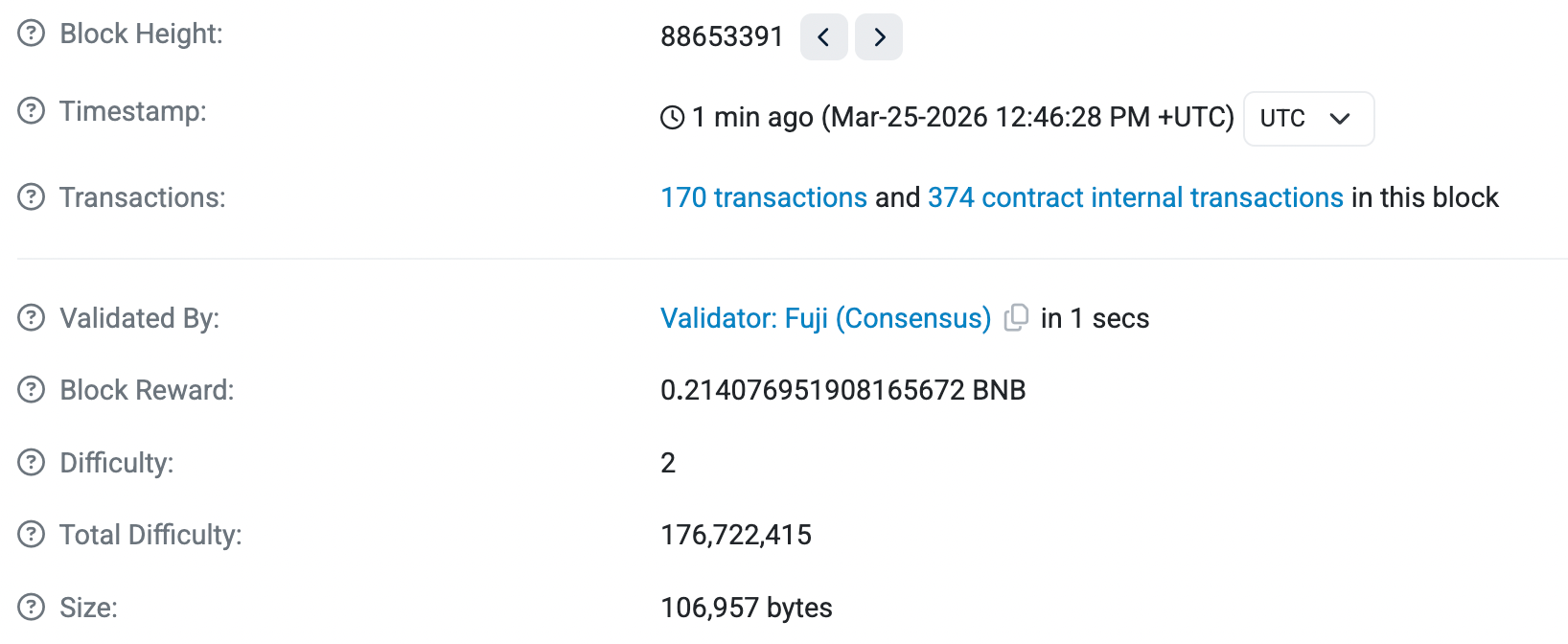
Each block has its own record, including its number (height), timestamp, transaction count, and total fees.
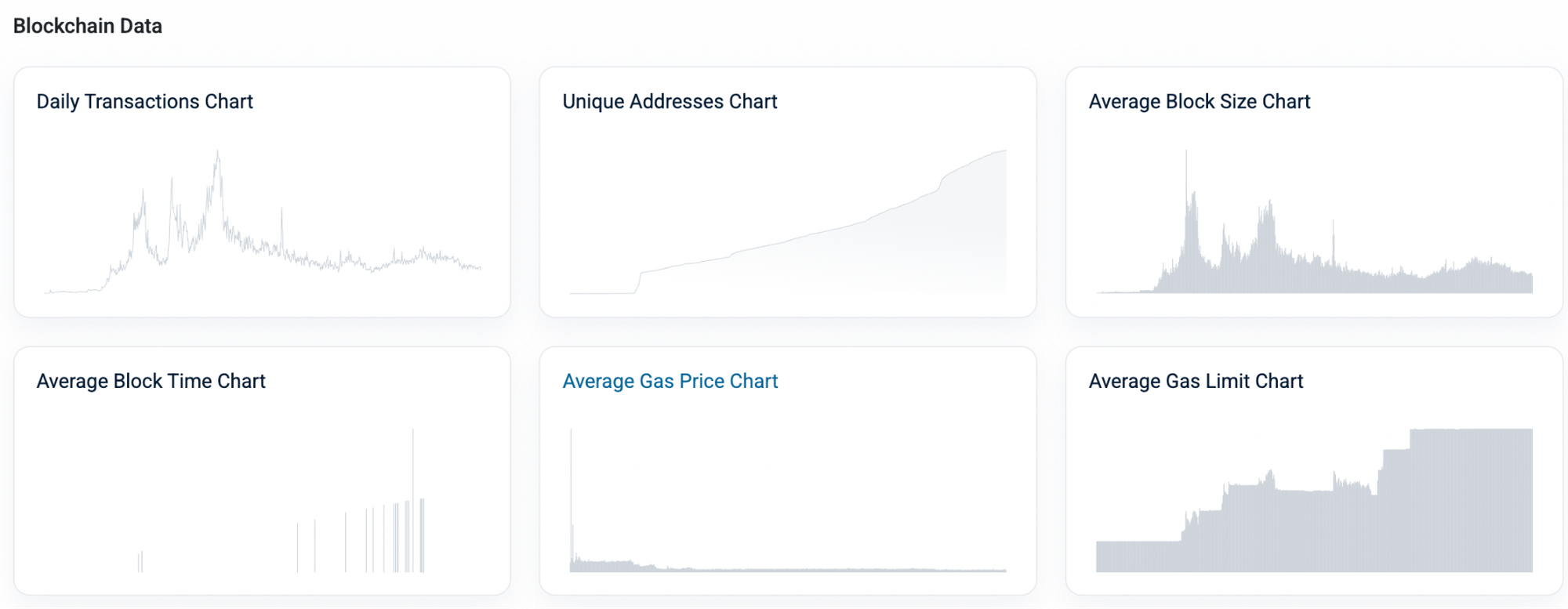
Network metrics
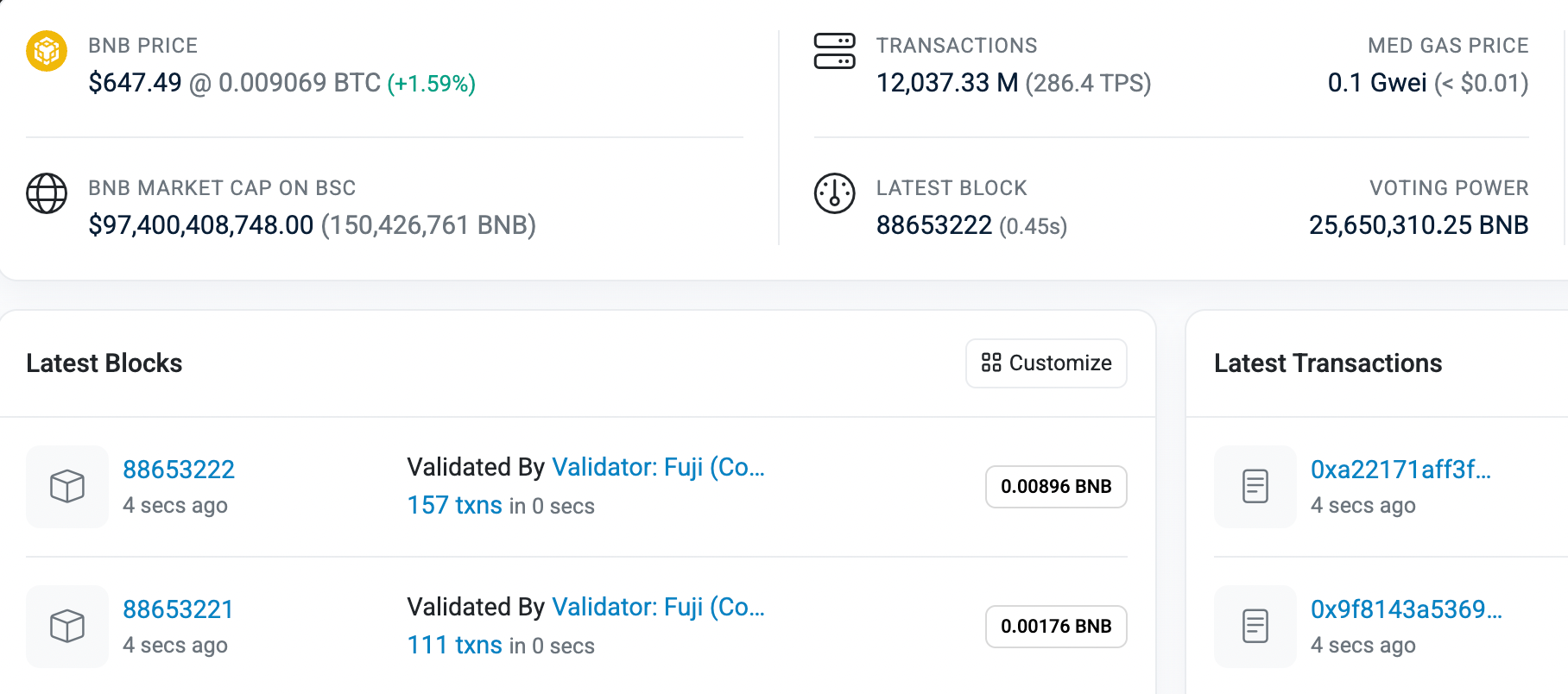
Many explorers show broader data like transaction volume, average fees, and pending transactions. These indicators help gauge network activity.
Smart contracts
On networks like Ethereum, you can inspect contract code and track how users interact with decentralized apps.
How to Use a Blockchain Explorer
Using an explorer is straightforward, even if you’re new to crypto.
Start by choosing the right one for your network. For example, Etherscan is commonly used for Ethereum, while BscScan supports BNB Chain.
Once you’re on the site, paste a transaction ID, wallet address, or block number into the search bar. Within seconds, you’ll see the relevant data.
Let’s say you’ve sent Bitcoin. Copy the transaction hash from your wallet and paste it into a Bitcoin explorer. You’ll be able to see if it’s confirmed and how many confirmations it has.
Why Blockchain Explorers Matter
Explorers play a key role in making crypto usable and trustworthy.
They allow anyone to verify transactions independently, which reinforces the transparency blockchains are built on. There’s no need to rely on a third party to confirm activity.
They’re also widely used for research. Traders track large wallet movements, analysts study trends, and developers review smart contracts before interacting with them.
For beginners, explorers offer a hands-on way to understand how blockchains actually work.
Final Thought
Blockchain explorers turn complex data into something practical. They give you a clear window into what’s happening on-chain, in real time.
If you’re using crypto, it’s worth getting familiar with one. A quick search can tell you more than any app notification ever could.



