
What Is a Blockchain Bridge?
Blockchains don’t naturally talk to each other. Bitcoin, Ethereum, and BNB Smart Chain all run on different rules, codebases, and consensus systems. That separation creates friction when users want to move assets or data across networks.
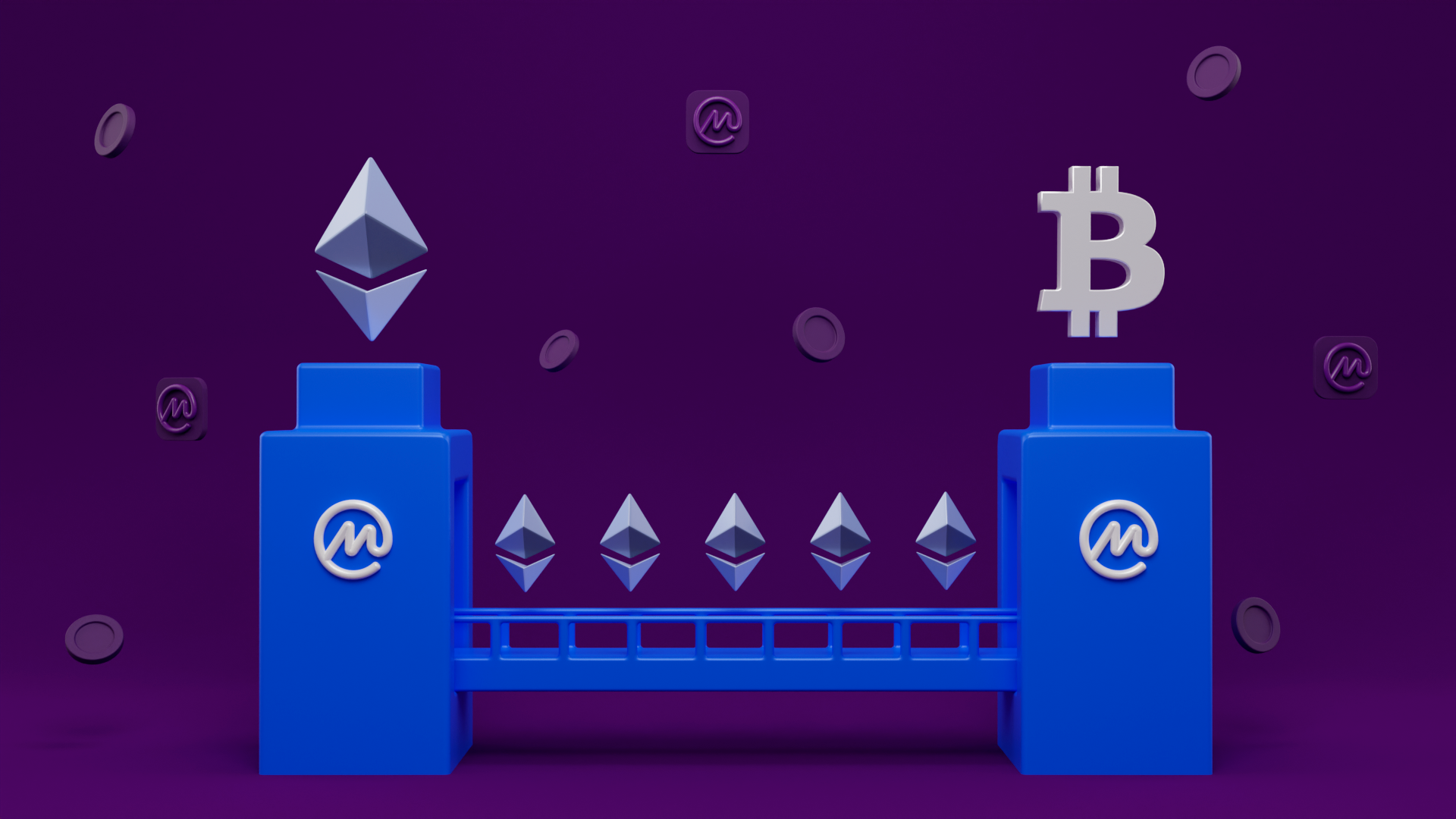
A blockchain bridge solves this problem. It’s a protocol that connects two independent blockchains, allowing them to exchange information and value. Think of it as a connector between isolated systems that were never designed to interact.
This concept is called interoperability. It’s what allows different systems to work together, much like how the internet relies on shared protocols to move data globally. In crypto, bridges are a key step toward that same level of connectivity.
Why Blockchain Bridges Are Needed
As the crypto ecosystem expands, fragmentation becomes more visible. Each blockchain operates in its own environment, with its own tokens, apps, and user base.
Bridges help break down these silos. They let users move assets between chains without needing to sell and rebuy them. That matters because selling introduces fees and exposes users to price swings.
They also open access. A Bitcoin holder, for example, can use Ethereum-based DeFi apps through a bridge. Developers benefit too, since cross-chain compatibility allows for broader collaboration across ecosystems.
How Blockchain Bridges Work
Most bridges rely on a simple mechanism: lock and mint.
If you move Bitcoin to Ethereum, the bridge locks your BTC in a smart contract. Then it creates a wrapped version of that asset on Ethereum, such as Wrapped Bitcoin (WBTC). This new token mirrors the value of BTC and can be used within Ethereum’s ecosystem.
When you want your original BTC back, the process reverses. The wrapped token is burned, and the locked BTC is released.
From a user’s perspective, it usually involves selecting networks, sending funds to a bridge address, and receiving the equivalent asset on the destination chain.
Types of Blockchain Bridges
Not all bridges work the same way.
Custodial bridges rely on a central entity to manage funds. They’re easier to use but require trust in the operator.
Non-custodial bridges use smart contracts instead. They remove intermediaries but depend entirely on code security.
There are also differences in function. Some bridges focus on wrapped assets, while others connect entire networks, like sidechains. Others vary by direction, supporting one-way or two-way transfers.
Benefits and Trade-Offs
The biggest advantage is flexibility. Bridges let users move assets freely across ecosystems, unlocking more use cases and liquidity.
They can also improve scalability. For example, moving assets from Ethereum to a faster network can reduce fees and speed up transactions.
But the risks are real. Bridges have been a major target for exploits, often due to vulnerabilities in smart contracts or frontend interfaces. In some cases, billions of dollars have been lost.
There’s also a structural issue. When multiple chains are connected, the overall system is only as secure as its weakest link.
What Comes Next for Blockchain Bridges?
Bridges are becoming more important as crypto moves toward a multi-chain future. No single blockchain is likely to dominate everything. Instead, networks will need to work together.
That means better bridge design is critical. Developers are already exploring new models that reduce trust assumptions and improve security.
Adoption is growing, but so is scrutiny. The next phase will likely focus less on expansion and more on resilience.
Final Take
Blockchain bridges sit at the center of crypto’s biggest challenge: connecting fragmented systems into something usable at scale.
They’ve already unlocked new ways to move value and access applications. But security concerns remain a major hurdle.
If the industry can solve that, bridges could become as essential to Web3 as protocols are to the internet today.



