
What Are Memecoins?
Memecoins are cryptocurrencies inspired by internet memes, pop culture, or online jokes — and often created with a wink and a laugh rather than a formal business plan.
They’re not designed to be taken too seriously, yet some of them — like Dogecoin (DOGE) or Shiba Inu (SHIB) — have built massive communities and real market value. In the fast-moving world of crypto, memecoins sit at the intersection of internet culture, speculation, and social media hype.
The Origin of Memecoins
The story starts in 2013, when two software engineers created Dogecoin as a parody of Bitcoin. The logo featured the viral Shiba Inu “Doge” meme, complete with Comic Sans captions. It was meant as a joke — but the internet loved it.
Within weeks, Dogecoin developed an active online following that used it to tip Reddit users, fund charity campaigns, and even sponsor a NASCAR driver. What began as a satire quickly became a phenomenon.
Over time, more memecoins followed — some launched during market bull runs, others during cultural moments. Most live on smart contract blockchains like Ethereum (ERC-20 tokens) or Solana (SPL tokens), where anyone can easily mint a token.
While these tokens rarely have intrinsic value or complex technology behind them, their appeal lies in community-driven hype and viral momentum.
Types of Memecoins
Memecoins come in many forms — often overlapping — but they can generally be grouped into a few categories:
1. Internet Meme Coins
These are the “originals,” based directly on internet jokes or characters.
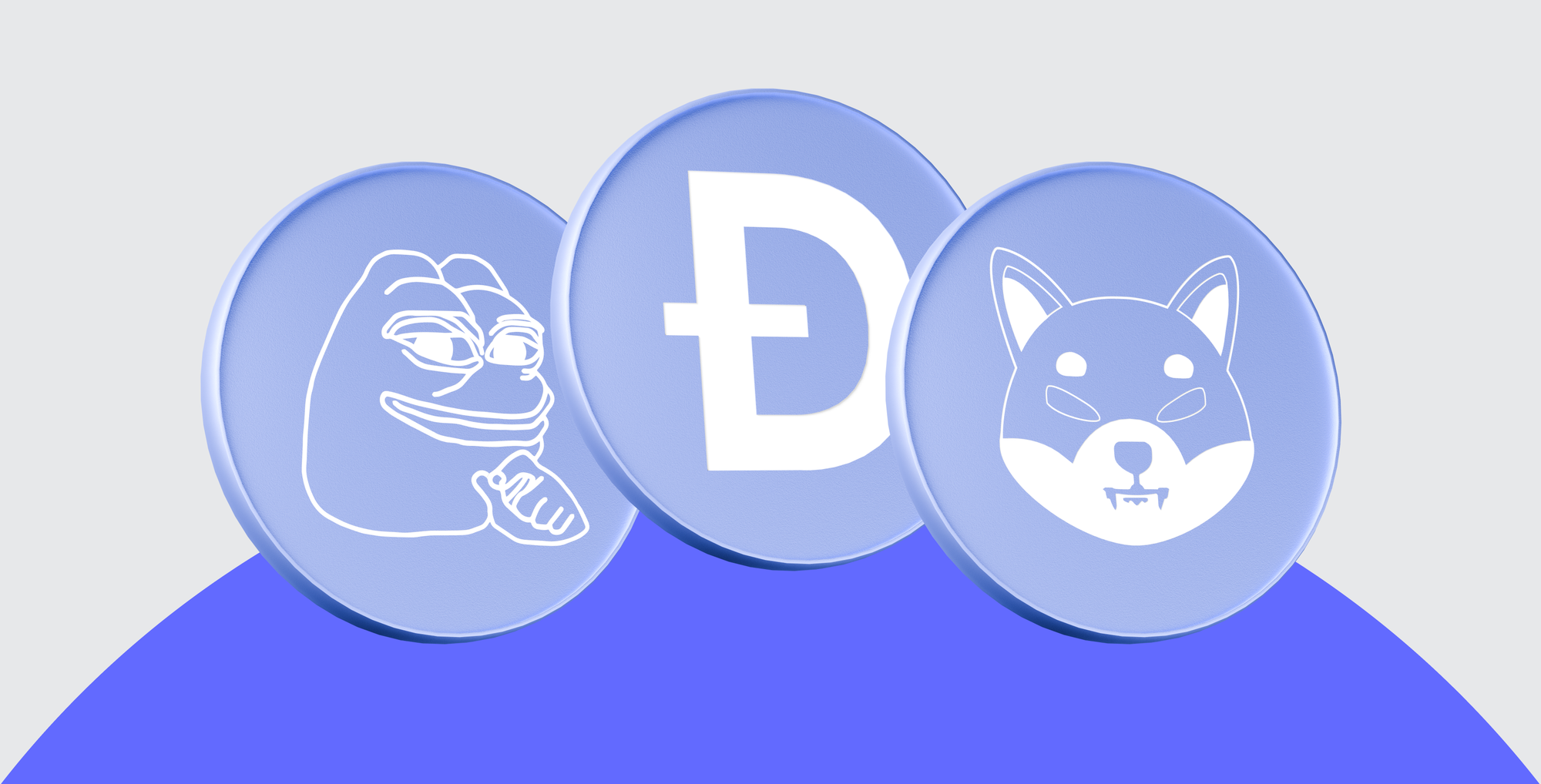
- Dogecoin (DOGE) — The first and most famous memecoin.
- PEPE (PEPE) — Based on the “Pepe the Frog” meme, it exploded in popularity in 2023.
2. Dog-Themed Tokens
Dogecoin’s success unleashed an entire pack of canine imitators.
- Shiba Inu (SHIB) — Marketed as the “Dogecoin killer,” it built an entire ecosystem including LEASH and BONE tokens.
- FLOKI — Named after Elon Musk’s pet Shiba Inu.
- Samoyedcoin (SAMO) — A Solana-based take on the trend.
3. Meta Memecoins
Some tokens reference other memecoins directly, playing off their fame.
Examples include Doge Killer (LEASH) or “2.0” versions of existing memes designed to attract original fan bases.
4. Pop Culture Tokens
These borrow inspiration from trending topics or famous figures.
- In 2023, the viral buzz around AI and superconductor research (LK-99) sparked a wave of themed memecoins.
- Others reference celebrities like Elon Musk or even fictional characters.
In short: if something goes viral online, there’s probably a memecoin version of it already — or one on the way.
What Drives Memecoin Value?
Unlike Bitcoin or Ethereum, most memecoins don’t offer real-world utility or technical innovation. Their value often depends on:
- Social media hype (especially on X/Twitter and Reddit)
- Celebrity endorsements or viral mentions
- Speculative trading during bull markets
This makes memecoins extremely volatile. Prices can skyrocket within hours — and collapse just as quickly. Low liquidity (fewer buyers and sellers) amplifies these swings.
Some memecoins, like Shiba Inu, later develop utility such as staking, decentralized exchanges, or NFT projects. But for most, price action remains driven by sentiment, not fundamentals.
Risks and Scams
Memecoin trading can feel like a high-stakes game of musical chairs. The same factors that make them exciting — hype, accessibility, and fast movement — also make them risky.
Common issues include:
- Rug Pulls: When project creators hold large token supplies, drive hype, and then sell (or “dump”) their holdings, crashing the price.
- Liquidity Risks: Thin trading volume means a few large trades can dramatically move prices.
- No Utility: Most memecoins lack a real-world function or roadmap. Their value is often purely speculative.
- Short Lifespans: Many memecoins disappear as quickly as they appear, especially when the market cools.
As with any speculative asset, traders should never invest more than they can afford to lose.
The Bigger Picture
Love them or hate them, memecoins highlight a core truth about crypto: community and culture can be as powerful as technology.
They capture the internet’s collective mood — from humor to hype — and turn it into tradable assets. While most will fade into obscurity, a few, like Dogecoin, have achieved lasting cultural relevance and even modest utility.
As long as memes exist (and the internet never runs out of those), memecoins are here to stay — even if they remain the wildest corner of the crypto world.
Key Takeaways
- Memecoins are cryptocurrencies inspired by internet memes or pop culture trends.
- Dogecoin (DOGE), created in 2013, was the first and most famous example.
- They’re often launched on blockchains like Ethereum or Solana with minimal technical barriers.
- Trading memecoins is highly speculative — prices move fast, liquidity is thin, and scams are common.
- Despite the risks, memecoins show how community-driven trends can shape the digital asset space.



