
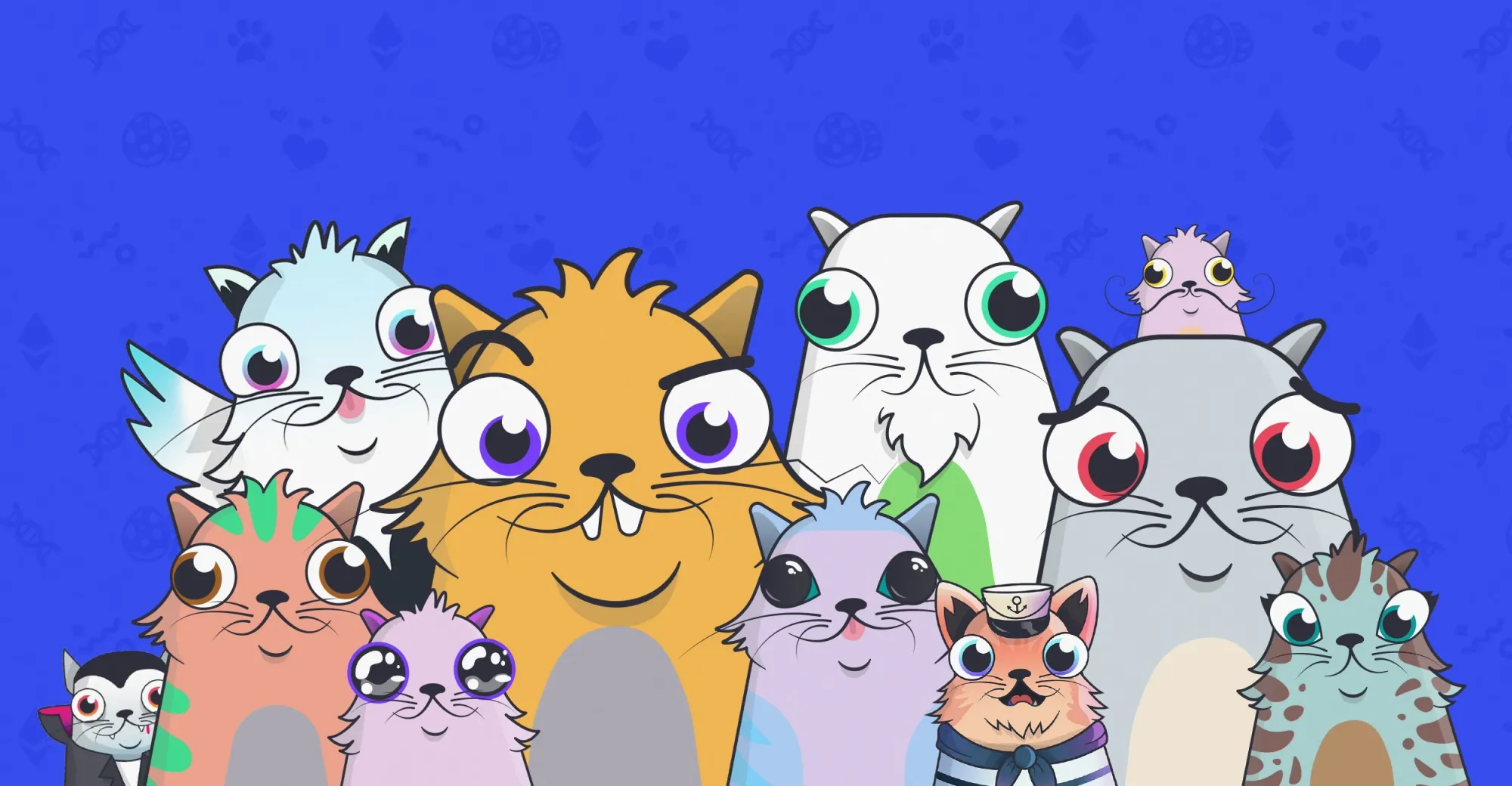
Launched in 2017, this project was far more than just a collection of cartoon cats. It represented a massive shift in how we use blockchain technology, moving it beyond simple currency and into the realm of digital collectibles and gaming. While modern blockchain games like Axie Infinity now dominate the headlines, CryptoKitties remains the original blueprint for the entire non-fungible token or NFT movement.
The Origin Story of the Blockchain Cat
CryptoKitties was developed by Axiom Zen, a Canadian tech startup founded by Rohan Gharegozlou. Gharegozlou, a Stanford graduate with a background in venture capital, launched the project during a beta phase in October 2017. The response was immediate and overwhelming. Within just three hours of its release, it became the third most active decentralized application or dapp on the Ethereum network.
The project gained even more momentum when high profile figures in the tech community, including the father of Ethereum founder Vitalik Buterin, began showing interest. By December 2017, the craze reached a fever pitch. Some individual cat NFTs were selling for more than 100,000 US dollars. In a matter of weeks, the platform saw over 4.5 million US dollars in total transactions. This sudden surge in popularity was so intense that it famously clogged the Ethereum network, causing transaction speeds to plummet and fees to skyrocket.
Following this massive success, Axiom Zen spun off a new entity called Dapper Labs to manage the game. Recognizing that Ethereum was not yet ready for this level of scale, Dapper Labs eventually developed the Flow blockchain, which was specifically designed to handle high-volume NFT projects like CryptoKitties and NBA Top Shot.
How CryptoKitties Works: Collecting and Breeding
At its core, every CryptoKitty is a unique digital asset built on the ERC-721 token standard. Unlike Bitcoin, where every coin is identical, every CryptoKitty is one of a kind. Think of them as a digital version of Beanie Babies or a more advanced, blockchain-based Tamagotchi.
The value and appearance of these cats are determined by their cattributes. These include traits like fur color, eye shape, and mouth style. Each cat has a set of visible genes and several hidden ones. This genetic variety allows for billions of possible combinations, meaning no two cats are ever exactly the same.
The real fun for many players is the breeding mechanic. Every cat can act as either a Sire or a Dame. If you own two cats, you can breed them together to create a brand-new kitten. Alternatively, you can pay a fee to another user to use their cat as a Sire for yours. The offspring inherits a mix of traits from its parents, and occasionally, a genetic mutation will occur, resulting in a rare or unexpected new look.
Rarity and the Marketplace
Not all cats are created equal in this ecosystem. A cat’s rarity is determined by its specific cattributes and its generation. Cats from earlier generations are generally more valuable because they have shorter cooldown periods, which is the time a cat must wait before it can breed again.
There are also several special categories of cats that collectors hunt for, such as:
- Fancy Cats: These have specific combinations of traits that give them a unique, themed look.
- Exclusive Cats: These are often released for special events or collaborations.
- Special Edition Cats: These are limited-run assets that often command high prices on the secondary market.
Why CryptoKitties Still Matters
While the gameplay might seem simple compared to today’s complex play-to-earn or P2E titles, CryptoKitties proved that blockchain could be used for something fun and creative. It laid the groundwork for the modern NFT market and forced developers to find solutions for network scalability. Today, it stands as a landmark project that helped bridge the gap between technical blockchain concepts and mainstream digital culture.



