
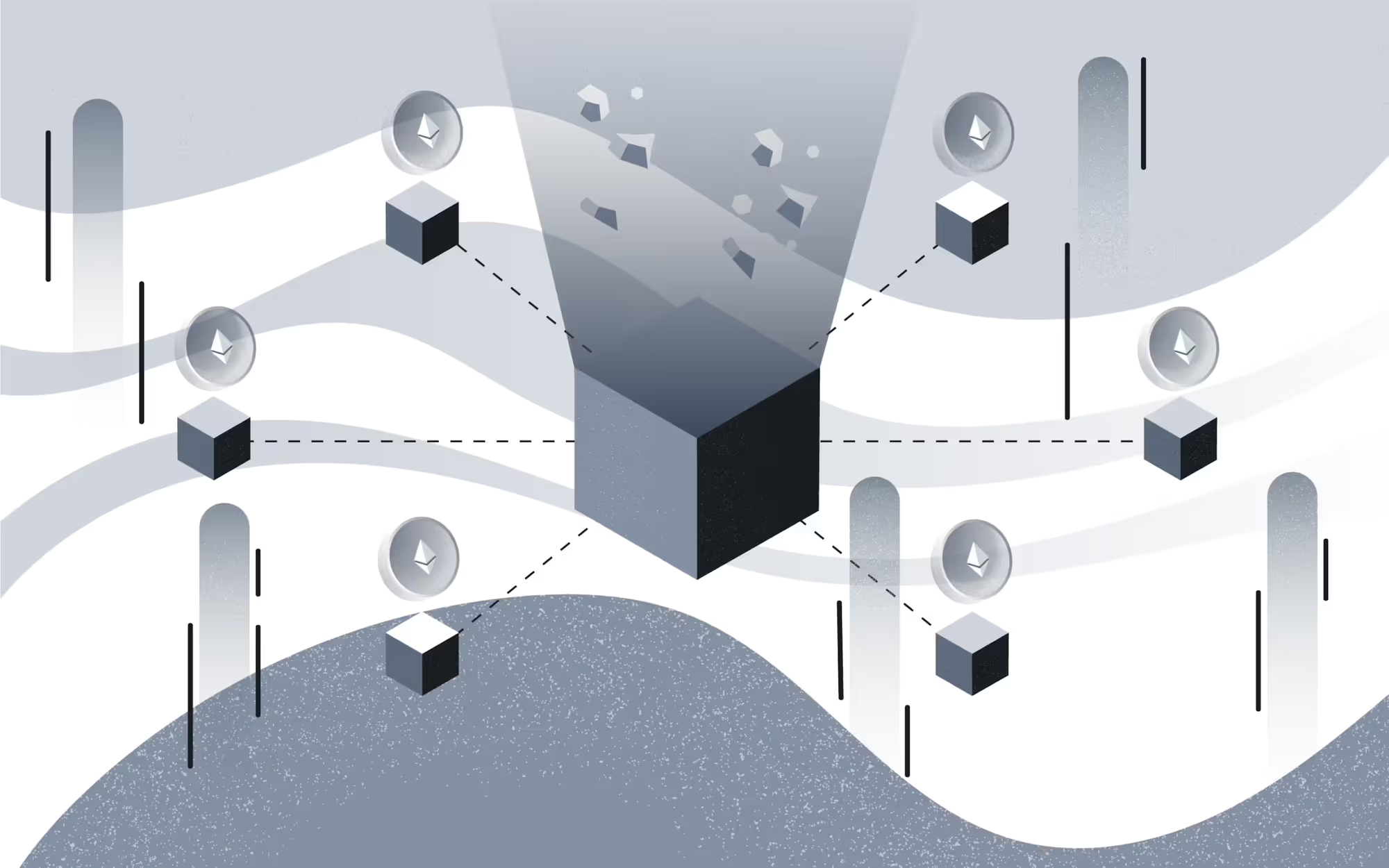
Explaining Oracles: The Bridge Between Real-World Data and Decentralized Networks
Blockchain technology was built to be secure, transparent, and immutable. But while blockchains excel at processing on-chain data, they don’t naturally interact with the real world. That’s where oracles come in.
Oracles are essential components in decentralized ecosystems, serving as bridges that deliver off-chain data—like market prices, weather updates, sports scores, or identity verification—into on-chain smart contracts.
Why Blockchains Need Oracles
Smart contracts are self-executing programs that rely on data inputs to perform actions. But these contracts, by design, can only read data from their own blockchain. They have no built-in way to access external information like the price of ETH/USD or the outcome of a football match.
Without oracles, smart contracts would be isolated—powerful, but blind.
Oracles solve this problem by feeding reliable, real-world data into blockchains, enabling smart contracts to interact with the outside world and execute more complex logic.
Types of Blockchain Oracles
Not all oracles work the same way. There are several types, each tailored for different use cases:
- Inbound Oracles: Bring data from the outside world into the blockchain. Example: a weather oracle providing climate data for crop insurance smart contracts.
- Outbound Oracles: Send data from the blockchain to external systems. For instance, notifying a payment processor once a contract condition is met.
- Software Oracles: Fetch data from digital sources like APIs, web pages, or databases.
- Hardware Oracles: Use IoT devices or sensors to capture real-world information, such as temperature or GPS location.
- Consensus-Based Oracles (Decentralized Oracles): Use multiple data sources and validators to prevent manipulation or single points of failure. Chainlink is a leading example of this model.
Real-World Use Cases
- DeFi Protocols: Platforms like Aave and Compound rely on oracles for accurate price feeds to manage collateral and trigger liquidations.
- Insurance: Smart contracts for parametric insurance need oracles to confirm events like flight delays or natural disasters.
- Gaming & Sports: Blockchain-based betting or fantasy sports apps depend on oracles for real-time match results.
- Supply Chain Tracking: Oracles help verify product conditions (e.g., temperature) during shipping and trigger actions based on that data.
Risks and Challenges
While oracles are vital, they also introduce new attack vectors:
- Oracle Manipulation: If an oracle is compromised or feeds incorrect data, smart contracts may execute incorrectly.
- Centralization Risks: A single oracle provider creates a trust bottleneck. That’s why many projects are moving toward decentralized oracle networks.
- Latency and Reliability: Poorly timed or missing data can disrupt time-sensitive contracts.
Projects like Chainlink, API3, and Band Protocol aim to address these concerns through transparency, decentralization, and robust data aggregation methods.
Oracles are the unsung heroes of Web3—bringing real-world context to decentralized systems and unlocking the full potential of smart contracts. As the blockchain space matures, the demand for trustworthy and secure oracle networks will only grow. Whether you’re trading on DeFi or insuring crops via smart contracts, it’s likely an oracle is doing the heavy lifting in the background.



