

Vietnam has opened the door to regulated cryptocurrency trading, but only under some of the strictest rules in Asia. On September 9, the government kicked off a five-year pilot program designed to test the crypto market while keeping firm control over capital, ownership, and investor access.
High Barriers for Local Platforms
Under the new framework, only companies incorporated in Vietnam can apply for a license. The requirements are steep:
- 10 trillion dong (approx. $410M) in paid-in capital.
- Foreign ownership capped at 49%.
- At least 65% of equity held by banks, brokerages, insurers, fund managers, or approved tech companies.
All trades must settle in Vietnamese dong, and new token issuances are restricted to foreign investors only. Issuers are also required to publish a prospectus before any sale.
Migration Path for Local Investors
Vietnamese investors who already hold crypto aren’t being shut out. Instead, they’ll be offered a transition period to move their holdings onto licensed platforms once the first operator is approved.
After that, residents will have six months to migrate. Trading on unlicensed platforms will then be subject to penalties under existing laws.
Part of a Bigger Legal Overhaul
The pilot is just one piece of Vietnam’s wider digital asset strategy. In June, lawmakers passed the Law on Digital Technology Industry, which:
- Formally recognizes digital assets.
- Differentiates crypto assets from other digital instruments.
- Tightens anti-money laundering (AML) and counter-terrorist financing (CTF) rules.
This law takes effect in January 2026, signaling Vietnam’s intent to bring crypto firmly into the regulatory mainstream.
Why It Matters
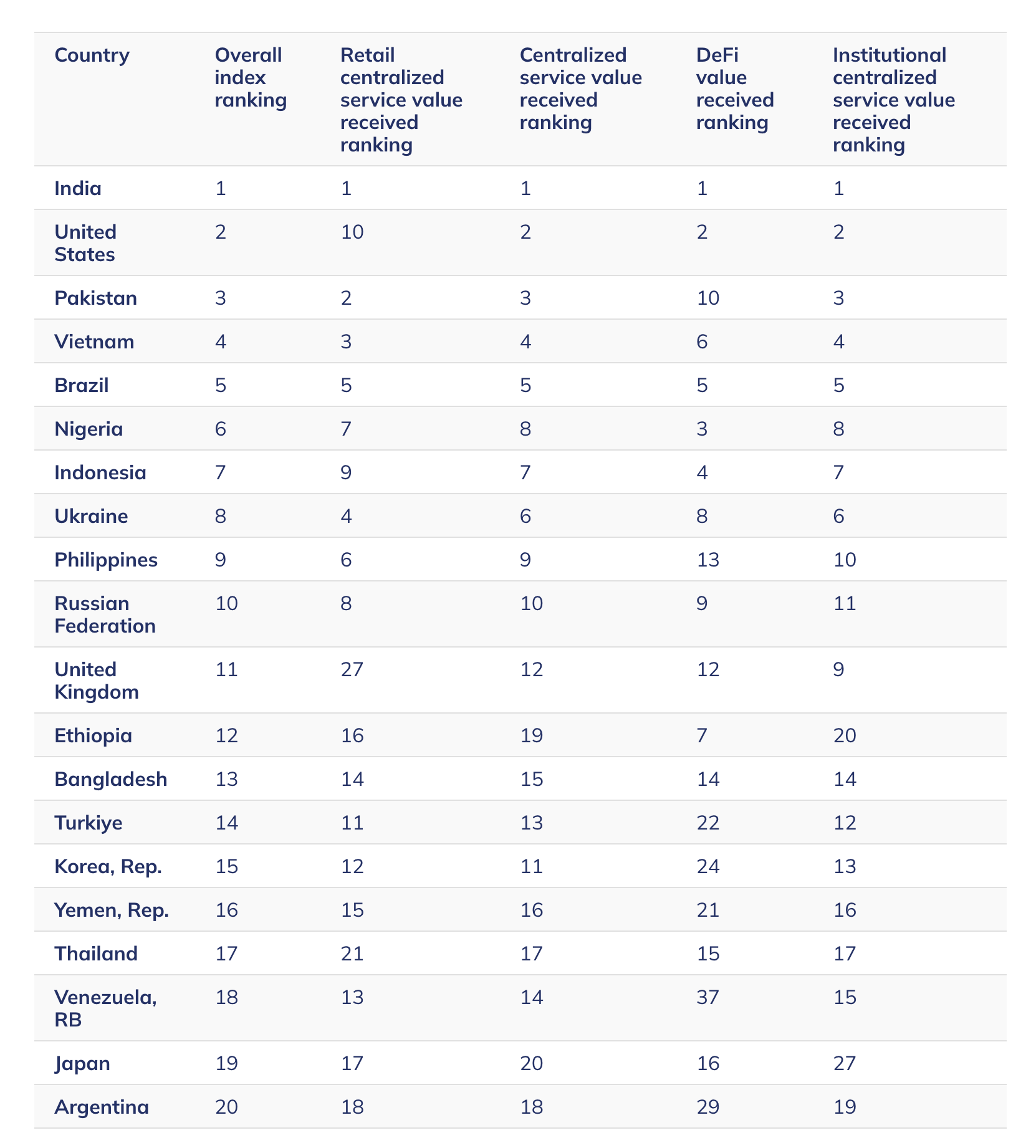
Vietnam already ranks fourth globally in the 2025 Global Crypto Adoption Index (Chainalysis), thanks to widespread grassroots use of digital assets and growing institutional participation. The country also boasts strong fintech infrastructure, including:
- NAPAS 24/7 real-time payments.
- Broad QR code acceptance.
- Tokenized NFC initiatives.
- Rigorous KYC requirements across financial services.
International players are taking notice. In April, executives from Bybit met with Vietnam’s Ministry of Finance to discuss a potential national digital asset exchange—a sign that regulators are keen to align with global market makers while maintaining local oversight.
Vietnam’s five-year crypto pilot strikes a careful balance: encouraging innovation while keeping the industry under close supervision. For global exchanges and investors, it signals that Vietnam is open for business—but only on its own terms.



