
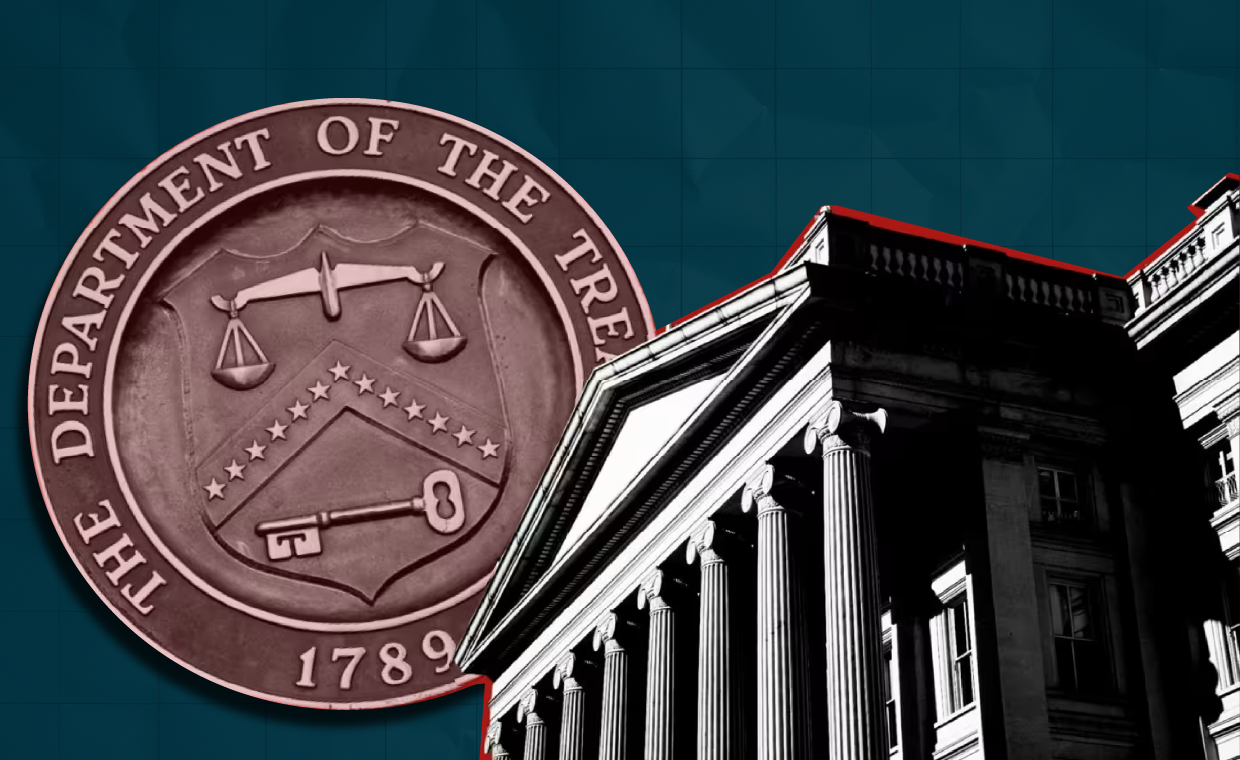
U.S. government debt has surpassed $39 trillion, raising concern about weakening demand for Treasurys and potential systemic stress. The warning signals risk to both traditional markets and crypto, where liquidity and collateral flows depend on stable sovereign benchmarks.
Former Treasury Secretary Henry Paulson said authorities should prepare an emergency response framework in advance of any disruption. Speaking to Bloomberg on Thursday, he described a “break-the-glass” plan designed for short-term intervention during periods of extreme market strain, emphasizing the need for readiness before conditions deteriorate.
What Happens If Treasury Demand Weakens Sharply?
Treasurys anchor global pricing across corporate bonds, mortgages, and equities, making any instability a cross-market issue. Economists warn that rising debt could push yields higher, increasing borrowing costs and widening fiscal deficits in a feedback loop that tests investor appetite.
“We need an emergency break-the-glass plan, which is targeted and short-term, on the shelf,” Paulson said, adding that when stress emerges, “it will be vicious.”
His remarks highlight the risk of a sudden loss of confidence that forces policymakers into reactive measures rather than controlled adjustments.
But the implications extend into digital assets through both risk and opportunity channels. A loss of confidence in U.S. debt or renewed monetary expansion could redirect capital toward Bitcoin and gold, while stablecoins create a direct linkage through reserve holdings in Treasurys and short-term instruments.
 JP Alegre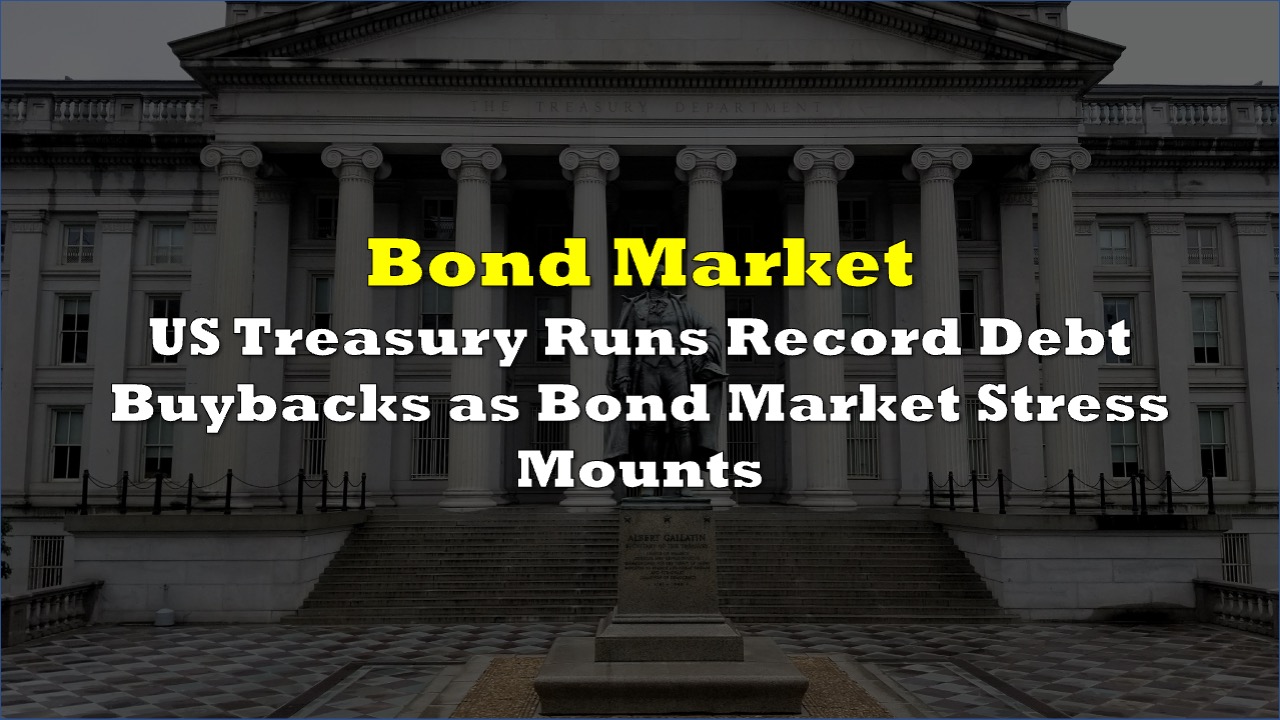
Still, U.S. Treasury officials have already moved to support liquidity, announcing a $15 billion buyback of older securities maturing between 2026 and 2028. The program aims to improve market functioning by replacing less liquid bonds with cash, offering investors flexibility as policymakers monitor whether demand remains durable under rising debt pressure.



