

A bipartisan Senate bill would bar federally regulated platforms from listing sports-linked prediction contracts, escalating a regulatory conflict around a sector recently valued near $20 billion, according to The Wall Street Journal. The move signals potential limits on one of crypto-adjacent markets’ fastest-growing segments.
Sens. Adam Schiff and John Curtis plan to introduce legislation prohibiting entities overseen by the Commodity Futures Trading Commission from offering contracts tied to sports or casino-style outcomes. The proposal would apply to platforms including Kalshi and the U.S.-facing operations of Polymarket, according to WSJ.
Will Federal Limits Redefine Prediction Markets?
The bill emerges amid a widening jurisdictional dispute between federal regulators and state authorities over event contracts. Data from industry participants indicate trading volumes have surged alongside institutional participation, with firms such as Susquehanna International Group and Jump Trading acting as market makers on Kalshi. Yet states including Nevada and Michigan have initiated enforcement actions, challenging federal preemption claims.
Schiff argued the CFTC has effectively enabled expansion of markets that bypass state-level safeguards, telling WSJ that Congress should “eliminate this backdoor which violates state consumer protections.” Curtis added that exposure among younger users to sports-linked contracts raises concerns about regulatory gaps and addiction risks.
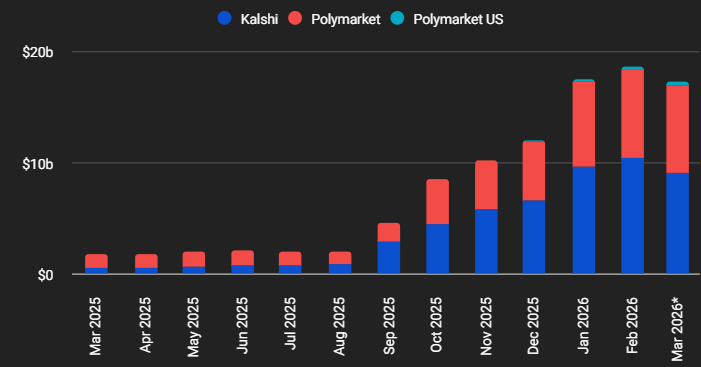
Legal pressure is building across jurisdictions, with lawsuits spanning Arizona, Massachusetts, and Michigan, while a recent Ninth Circuit decision denied Kalshi’s request to halt enforcement in Nevada. Still, platforms continue pursuing growth strategies, including data partnerships such as Tradeweb Markets’ collaboration with Kalshi. The next catalyst will be whether Congress advances the bill or federal courts clarify jurisdiction over event contracts.



