
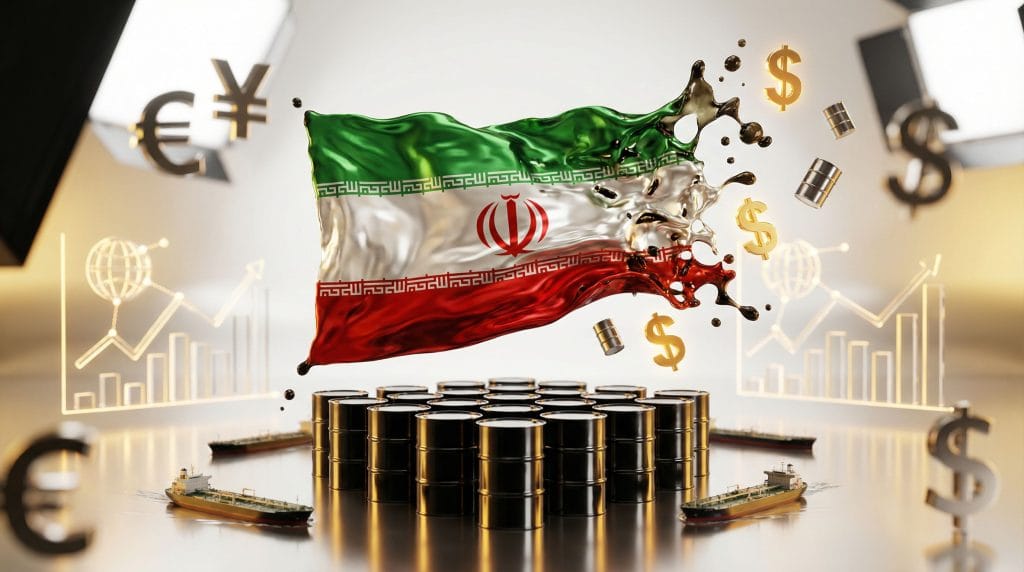
U.S. authorities have sanctioned crypto wallets linked to Iran following the freezing of $344 million in Tether (USDT). The action matters because it signals tighter enforcement on digital assets tied to sanctioned jurisdictions.
The U.S. Treasury, under Secretary Scott Bessent, said the measures are part of broader economic pressure on Iran during an ongoing ceasefire period. The move follows coordination between Tether and the Office of Foreign Assets Control (OFAC) (US), which blacklisted two Tron-based addresses holding $213 million and $131 million in USDT.
Can Sanctions Effectively Restrict Crypto Flows?
The wallets were frozen at the smart contract level, preventing further transfers. U.S. officials indicated the funds were tied to Iranian-linked activity, with enforcement aimed at limiting financial channels used by the country to move capital internationally.
Iran has increasingly used crypto to bypass sanctions, particularly in sectors tied to energy flows. A recent Financial Times report noted that the country has accepted Bitcoin for oil transit fees in the Strait of Hormuz, reflecting a shift toward alternative payment rails.
Data from Chainalysis estimates Iran’s crypto holdings reached $7.8 billion in 2025, with roughly half attributed to the Islamic Revolutionary Guard Corps. The firm said these entities routinely execute multi-million-dollar transfers between private wallets, indicating established on-chain liquidity channels.
“We will follow the money that Tehran is desperately attempting to move,” Bessent said, adding that authorities will target financial networks tied to the regime.
Tether noted its freeze was conducted in coordination with U.S. law enforcement, reinforcing its role in compliance enforcement.
The affected addresses had shown limited recent activity but previously handled significant transaction volumes, according to Chainalysis. Their designation highlights the retrospective nature of blockchain monitoring, where historical flows can trigger enforcement actions.
 Chainalysis Team
Will increased coordination between issuers and regulators constrain sanctioned crypto activity? The next catalyst will be whether additional wallets are identified and whether similar actions expand to other stablecoin networks.



