

What Is Crypto Market Sentiment?
In crypto, prices don’t just move because of math or code — they move because people do. Like stocks or commodities, cryptocurrencies are driven by supply and demand, which are often shaped by public opinion, news headlines, and even internet memes. This collective mood is what traders call market sentiment.
Market sentiment reflects how investors feel about an asset or the market as a whole — optimistic (bullish) or pessimistic (bearish). It’s a force that can fuel rallies or trigger sell-offs, sometimes regardless of a project’s technical merits.
Why Sentiment Doesn’t Always Match Reality
Positive sentiment doesn’t guarantee rising prices. In fact, extreme optimism can signal a coming correction — the classic “it’s going to the moon!” moment right before a drop. Similarly, widespread fear can create opportunities for patient buyers.
Take Dogecoin as an example. During its bull runs, much of the demand came from social media buzz rather than deep research into its tokenomics or use cases. A single Elon Musk tweet has, on multiple occasions, been enough to send prices soaring — or sinking.

Bullish vs. Bearish Moods
Sentiment tends to fall into two main categories:
- Bullish: Confidence that prices will rise. Investors buy or hold, expecting profits.
- Bearish: Expectation of falling prices. Investors may sell holdings or short the market.
These moods often coexist among different groups, creating volatility and unpredictable price swings.
Why Sentiment Analysis Matters in Crypto
In a market as fast-moving as crypto, sentiment analysis can help traders:
- Anticipate short- and mid-term price trends.
- Spot hype-driven buying or selling.
- Keep emotions in check and avoid herd mentality.
When combined with technical analysis (price charts) and fundamental analysis (project value), it becomes a powerful decision-making tool.
How to Gauge Crypto Market Sentiment
Traders use a mix of direct observation and specialized tools to read sentiment:
- Social media monitoring: X (formerly Twitter), Reddit, Telegram, and Discord are key spaces for gauging investor chatter.
- Industry news: Outlets like Bitcoin Magazine and CoinDesk provide updates that often influence sentiment.
- Whale activity: Large transactions can spook or excite markets — tools like WhaleAlert track these moves.
- Search trends: Google Trends data can reveal shifting public interest (e.g., spikes in “how to sell crypto” searches may indicate fear).
Key Sentiment Indicators
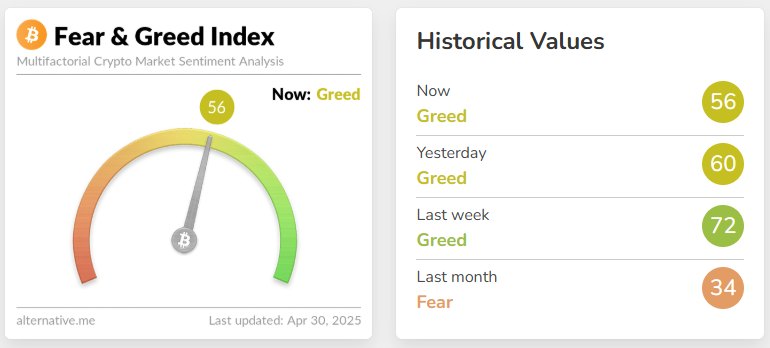
- Crypto Fear & Greed Index: Rates market mood from 0 (extreme fear) to 100 (extreme greed), factoring in volatility, volume, social activity, and trends.
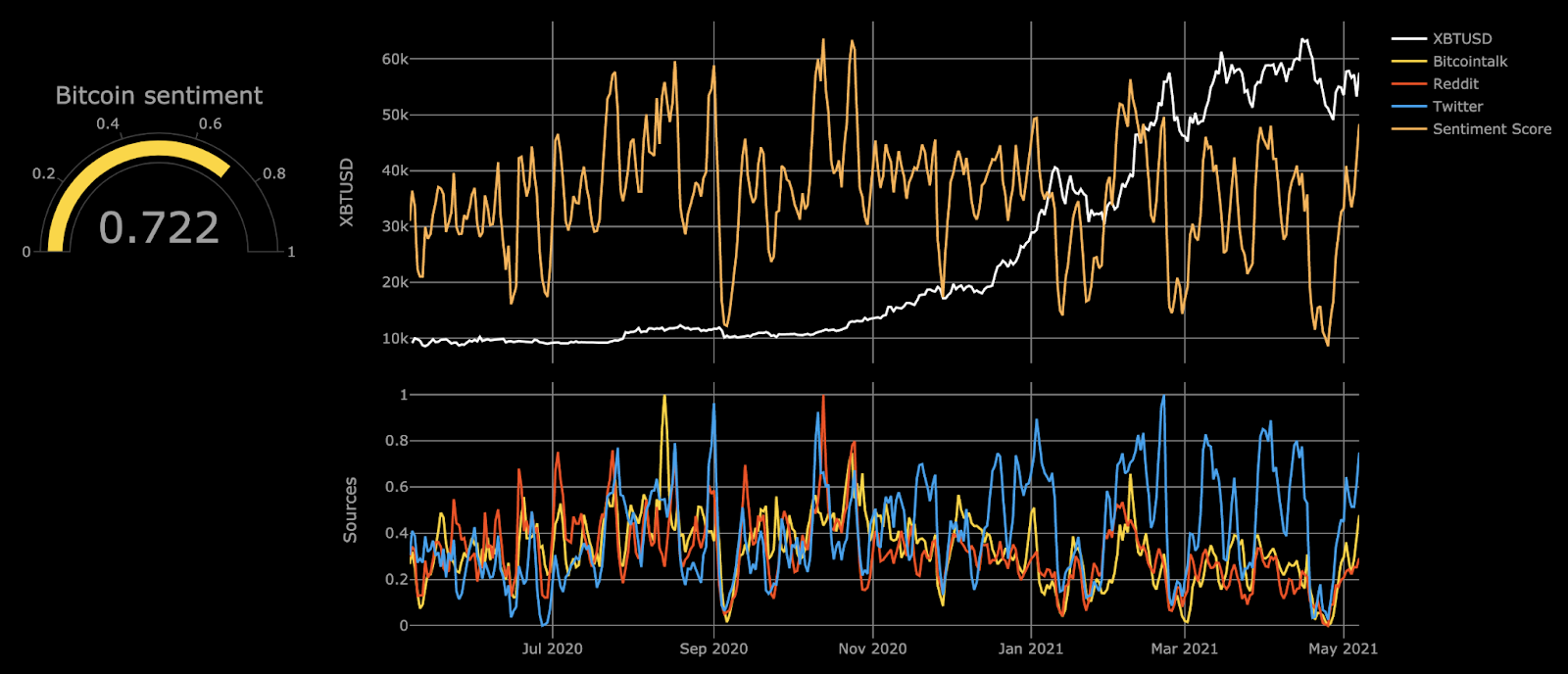
- Bull & Bear Index by Augmento: Uses AI to analyze conversations across platforms like X and Reddit, scoring from 0 (bearish) to 1 (bullish).
The Bottom Line
In crypto, sentiment can swing markets faster than in most traditional asset classes. That’s partly because the industry is still young and retail investors play a major role.
Market sentiment analysis isn’t foolproof, but with practice, it can help you spot opportunities and avoid emotional traps. As always, do your own research and never invest more than you can afford to lose.



