
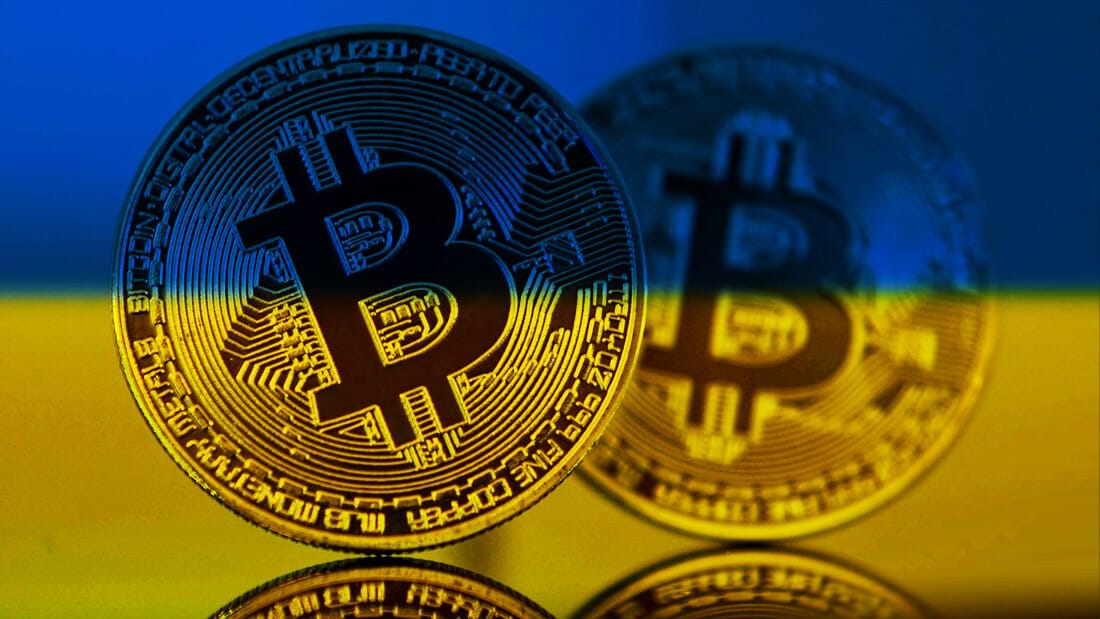
Ukraine is taking a major step toward regulating its growing cryptocurrency sector after lawmakers backed a bill aimed at legalizing digital assets and setting clear tax rules.
On Wednesday, the Verkhovna Rada, Ukraine’s parliament, approved the bill in its first reading with 246 votes in favor out of 321. Only 31 lawmakers opposed the measure, a strong sign of political support despite the country’s ongoing conflict with Russia.


If passed, the legislation would introduce a standardized tax framework for crypto transactions. The proposal sets an 18% income tax plus a 5% military levy on profits. However, for the first year, conversions from crypto to fiat currency would be taxed at a reduced rate of 5%, giving investors and traders temporary relief. The overall 23% tax rate reflects recommendations from the National Securities and Stock Market Commission, while excluding crypto-to-crypto and stablecoin transactions to encourage broader adoption.
Yaroslav Zhelezniak, one of the lawmakers involved in the process, noted that revisions are expected before the second reading, saying the draft is likely to undergo significant changes.
Building on Ukraine’s digital momentum
Ukraine has emerged as one of the world’s most active countries in crypto adoption. According to the Chainalysis 2025 Global Crypto Adoption Index, it ranks 8th globally, highlighting how digital assets have become part of the country’s financial culture even during wartime.
This latest bill builds on earlier regulatory efforts launched in 2022, which were put on hold when Russia escalated its invasion. Since then, momentum has returned. In June 2025, lawmakers introduced a proposal to include virtual assets in the National Bank of Ukraine’s foreign currency reserves — a move that, if adopted, would make Ukraine the first European nation to hold Bitcoin in its state reserves.
Chainalysis Team
What comes next
The bill now heads for a second reading in the coming months. If it passes, Ukraine would not only solidify legal protections for crypto users but also position itself as a leader in digital finance within Europe. Advocates say a clear framework could attract international investment and accelerate the country’s digital innovation drive as it continues to rebuild its economy.
For Ukrainians, the outcome could reshape how cryptocurrencies are taxed, traded, and integrated into everyday financial life — marking another milestone in the country’s push to modernize under extraordinary circumstances.



