

Washington kicked off what’s being called “crypto week” on Capitol Hill with a fiery debate—not over digital assets themselves, but over the political motivations behind them. In a Monday session of the U.S. House Committee on Rules, discussions intended to focus on three major cryptocurrency bills were quickly overshadowed by partisan clashes and accusations of special treatment for former President Donald Trump’s crypto-linked interests.
The bills at the center of the storm are the Guiding and Establishing National Innovation for U.S. Stablecoins Act (GENIUS), the Digital Asset Market Clarity Act (CLARITY), and the Anti-CBDC Surveillance State Act. These measures aim to define rules around stablecoins, clarify regulatory structures for digital assets, and push back against a federal central bank digital currency (CBDC), respectively.
But instead of diving into the specifics of the legislation, opening remarks quickly turned combative.
Sharp Criticism From Democrats
Massachusetts Representative Jim McGovern didn’t hold back in his opening statement, calling the proposals a “GOP crypto giveaway” and accusing Republican lawmakers of catering to wealthy crypto investors at the expense of everyday Americans.
“I haven’t had a single person in my district ask me to help crypto millionaires get richer or make it easier to con people,” McGovern said.
Rules Committee Hearing H.R. 1919, 3633, 4016, and S. 1582 Source: YouTube
He went further, claiming that the bills carve out “special treatment” for Trump-affiliated crypto companies, referencing World Liberty Financial, its stablecoin USD1, and the Official Trump memecoin.
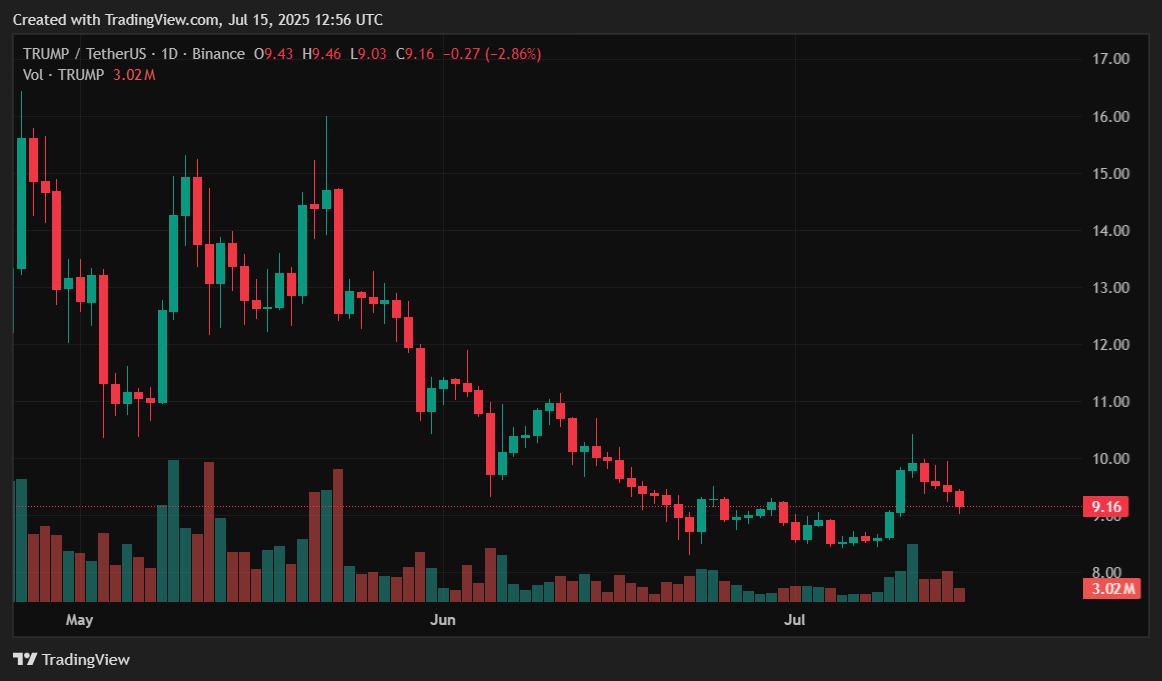
Democratic leaders, including Rep. Maxine Waters and Sen. Adam Schiff, have echoed these concerns, citing potential conflicts of interest tied to Trump’s family’s crypto ventures. They argue that the legislation lacks robust consumer protections and could open the door to financial manipulation.
Republicans Frame It as Pro-Innovation Policy
In contrast, Rep. Virginia Foxx of North Carolina, who chairs the committee, framed the bills as necessary steps to support financial innovation and strengthen the U.S. position in the global digital economy. She emphasized that the GENIUS Act, in particular, would help establish clear guidelines for stablecoin operations—something many in the crypto industry have long sought.
“This legislation is historic,” said Foxx. “It will help propel responsible innovation within America and lead us to securing an even stronger foothold within the global financial system.”
A Legislative Race Against the Clock
With the congressional August recess fast approaching, Republican House leaders have expressed a desire to pass all three crypto bills in the next two weeks. However, with only a slim majority in the House and strong Democratic resistance, bipartisan cooperation will likely be necessary.
The committee’s debate ultimately shifted to the Department of Defense Appropriations Act, but discussions around the crypto legislation are expected to resume shortly.



