
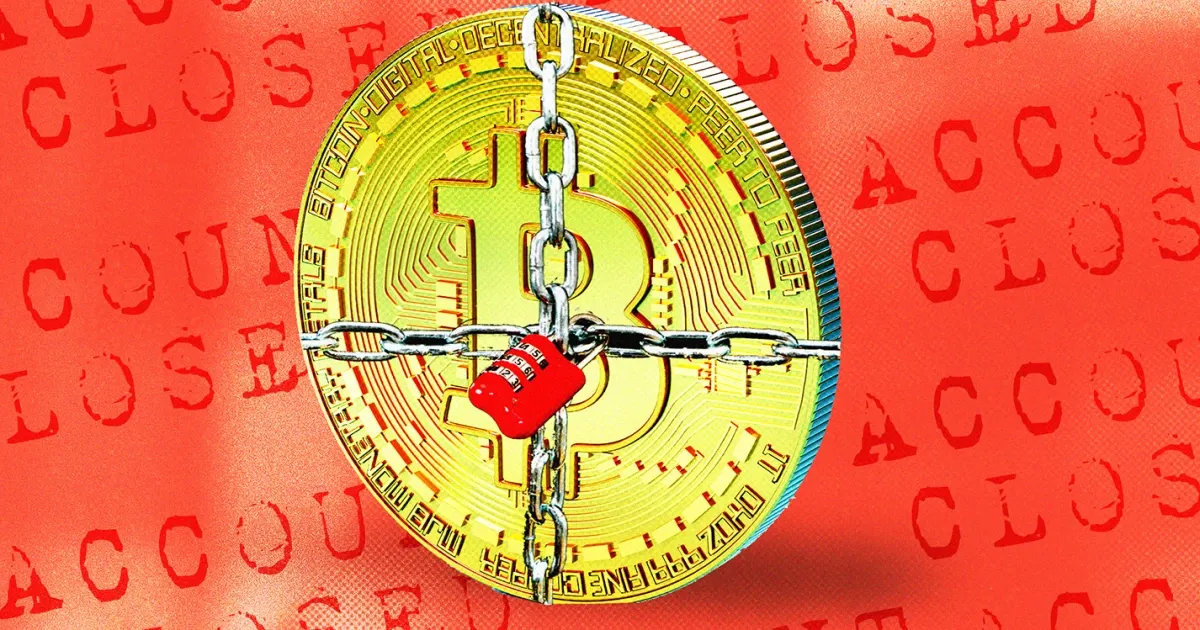
Former President Donald Trump has filed a lawsuit against JPMorgan Chase and its CEO, Jamie Dimon, alleging that the bank improperly closed several accounts linked to him and his businesses. The case, filed Thursday in a circuit court in Miami-Dade County, Florida, has brought fresh attention to ongoing concerns about “debanking” and whether political considerations play a role in banking decisions.
According to the complaint, JPMorgan terminated multiple accounts in February 2021 without prior notice or an opportunity to address any issues. The plaintiffs include a group of Trump-affiliated hospitality and golf course companies. Trump’s legal team argues that the bank’s actions were driven by political and social pressures rather than standard financial or regulatory reasons.
 Dan Mangan,Hugh Son
The lawsuit claims JPMorgan acted unilaterally at a moment when “the political tide favored doing so,” suggesting the account closures reflected the broader climate following the events of early 2021. The complaint, first reported by CNBC, maintains that no clear justification or remedy was provided to the affected businesses.
JPMorgan Chase strongly disputes those claims. In a statement released Thursday, the bank said it does not close accounts based on political or religious views. Instead, it cited legal and regulatory obligations as the deciding factors behind such actions.
“We do close accounts because they create legal or regulatory risk for the company,” the bank said, adding that it often has little flexibility under existing rules.
JPMorgan also reiterated its call for regulatory reform, noting that it has urged both current and past administrations to clarify expectations and reduce what it views as the “weaponization” of the banking system.
The case has resonated beyond traditional finance, particularly within the cryptocurrency industry. For years, crypto firms and advocates have complained about difficulties accessing banking services, a situation they often describe as “Operation Choke Point 2.0.” The term draws a parallel to a 2013 Justice Department initiative that limited banking access for industries deemed high risk, such as payday lenders and firearms dealers. In the crypto sector, critics argue that similar pressure has been applied to digital asset companies.
In response to those concerns, U.S. regulators including the Federal Reserve, the Office of the Comptroller of the Currency, and the Federal Deposit Insurance Corporation have recently pledged to stop factoring “reputational risk” into decisions about banks’ customer relationships. Supporters see this as a step toward more consistent and transparent standards.
Trump’s lawsuit now places those broader debates squarely in the legal arena. While the outcome remains uncertain, the case highlights the tension between banks’ regulatory responsibilities and accusations of politically motivated decision-making.



