
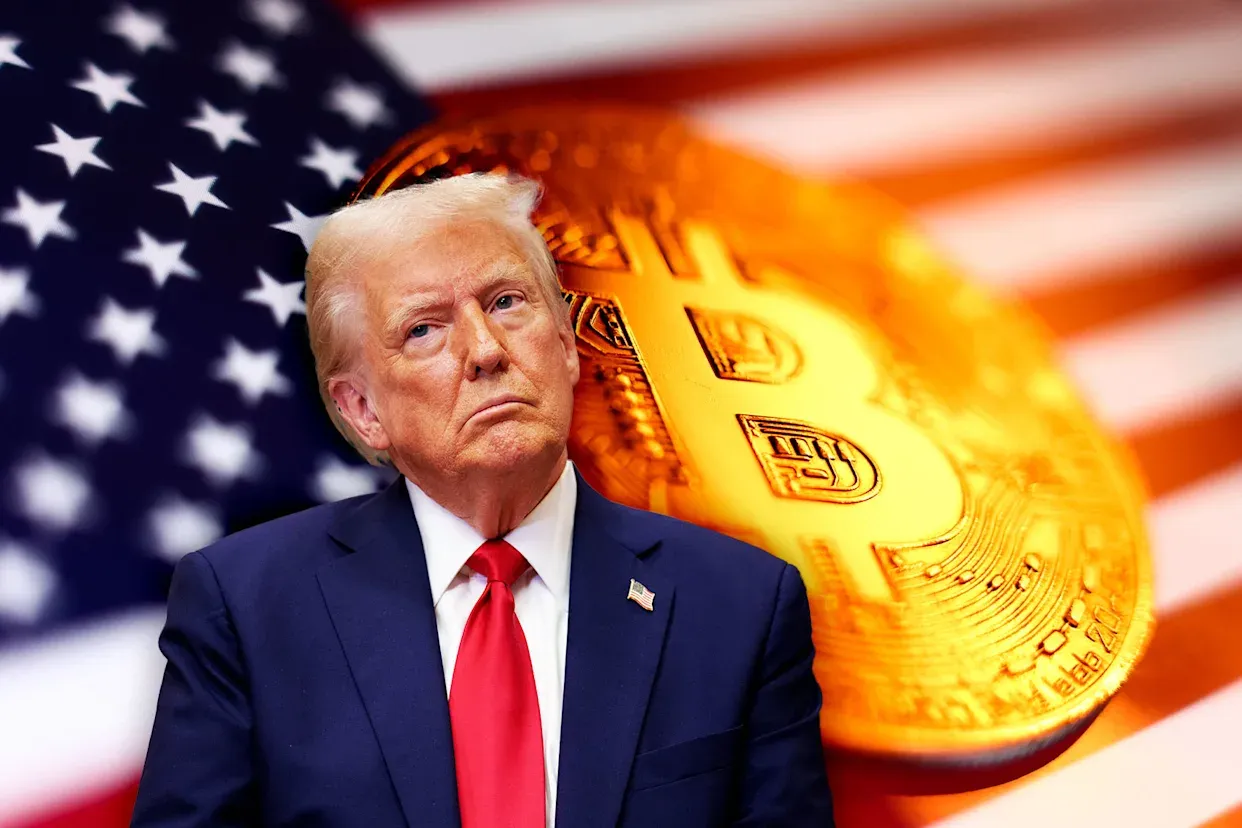
Former President Donald Trump is reportedly preparing to sign an executive order aimed at curbing what his team sees as politically motivated financial discrimination—particularly the practice of debanking crypto companies and conservative figures. The move, first reported by The Wall Street Journal, could bring penalties against banks and financial institutions that cut off services based on political beliefs or industry affiliation.
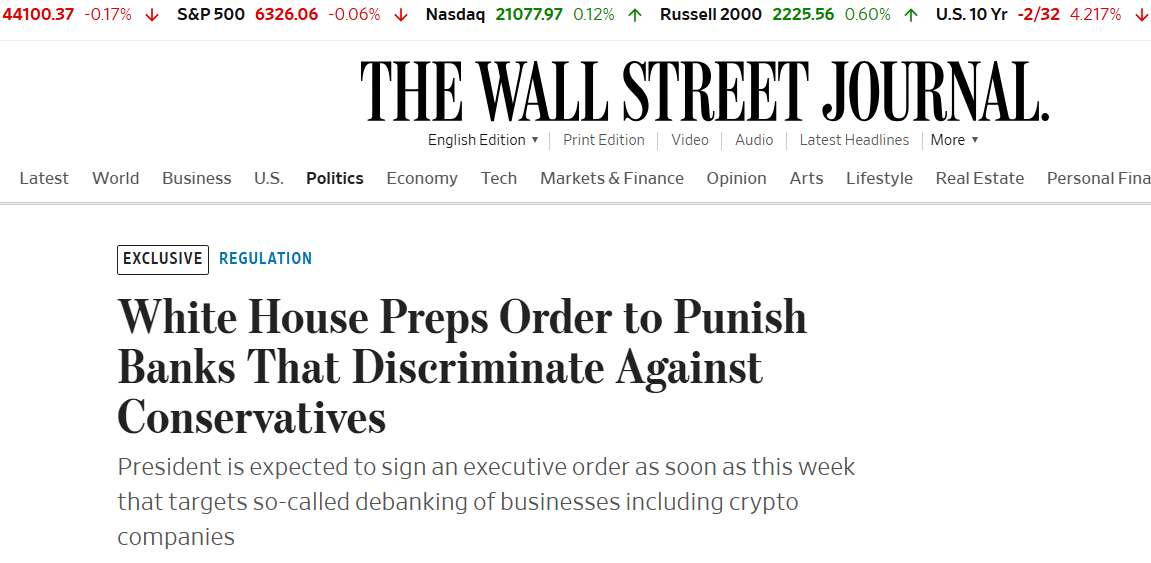
According to the draft reviewed by the Journal, the order threatens fines and consent decrees for institutions found guilty of ideological bias. It also directs regulators to investigate possible violations of the Equal Credit Opportunity Act, antitrust statutes, and consumer protection laws. No specific banks or firms are named in the draft, and the timeline for signing remains fluid—though insiders say it could happen as soon as this week.
What’s Behind the Executive Order?
This new action appears to target what critics have dubbed “Operation Choke Point 2.0”—a reference to a pattern of financial exclusion that crypto companies and some conservative groups say they’ve faced under previous regulatory regimes. The term borrows from Operation Choke Point 1.0, a 2013 U.S. Department of Justice initiative that pressured banks to sever ties with businesses deemed high-risk, like payday lenders and firearms dealers.
In this updated context, crypto firms allege they’ve been locked out of banking services for reasons that go beyond financial risk, citing ideological and political motives. Banks, on the other hand, argue their decisions are driven by regulatory compliance, particularly anti-money laundering laws, and previous guidance that discouraged relationships with high-risk sectors like crypto.
Trump's Turnaround on Crypto
Once a crypto skeptic, Trump shifted his stance during his 2024 campaign, promising to end “Operation Choke Point 2.0” and champion a more crypto-friendly regulatory landscape. That pivot was supported by major figures in the industry—many of whom have since opened up about being debanked.
Industry leaders including Marc Andreessen (a16z crypto), Caitlin Long (Custodia Bank), Brian Armstrong (Coinbase), Jesse Powell (Kraken), and the Winklevoss twins (Gemini) have spoken publicly about banking challenges. In some cases, services were revoked with little to no explanation, they claim.
In January, these allegations gained traction on Capitol Hill. The House Committee on Oversight and Government Reform launched a probe into the debanking of crypto firms, sending information requests to companies like Coinbase, Uniswap Labs, and Kraken.
The Politics of Debanking
The Trump administration’s draft order also includes measures to:
- Remove agency policies that contributed to debanking
- Instruct the Small Business Administration (SBA) to review its loan partner criteria
- Refer serious violations to the U.S. Attorney General
Since Trump’s election victory in November, banks have reportedly taken steps to insulate themselves from regulatory backlash—reviewing internal policies and meeting with Republican attorneys general to affirm political neutrality.
Regulators like the Federal Reserve, OCC, and FDIC under Trump have already moved to limit the use of "reputational risk" assessments when evaluating bank-customer relationships—an effort to stop politically motivated service denials.
A Personal Turning Point for the Trump Family
Eric Trump, the former president’s second-oldest son, has also shared a personal story that echoes the concerns of many crypto users. Speaking at an event in April, he explained that being deplatformed by several U.S. banks led him to discover and support cryptocurrency.
Now involved with projects like America Bitcoin and World Liberty Financial, he said, “It wasn’t until that time that I realized how important crypto was.”
Whether the executive order ultimately lands this week or later, it signals a high-profile escalation in the fight over financial access and political neutrality—particularly in the fast-evolving world of crypto. If implemented, it could reshape how banks navigate risk, compliance, and ideology—potentially opening the door to broader access for crypto firms and politically controversial figures alike.



