

Trump-backed crypto venture World Liberty Financial has taken its next step into digital finance, launching a lending and borrowing platform as its USD1 stablecoin continues to gain traction among dollar-pegged tokens.
The new service, called World Liberty Markets, allows users to lend and borrow a range of digital assets, using USD1 alongside ether, USDC, USDT, and tokenized bitcoin as collateral. The platform is powered by Dolomite, a decentralized finance protocol focused on crypto credit markets.
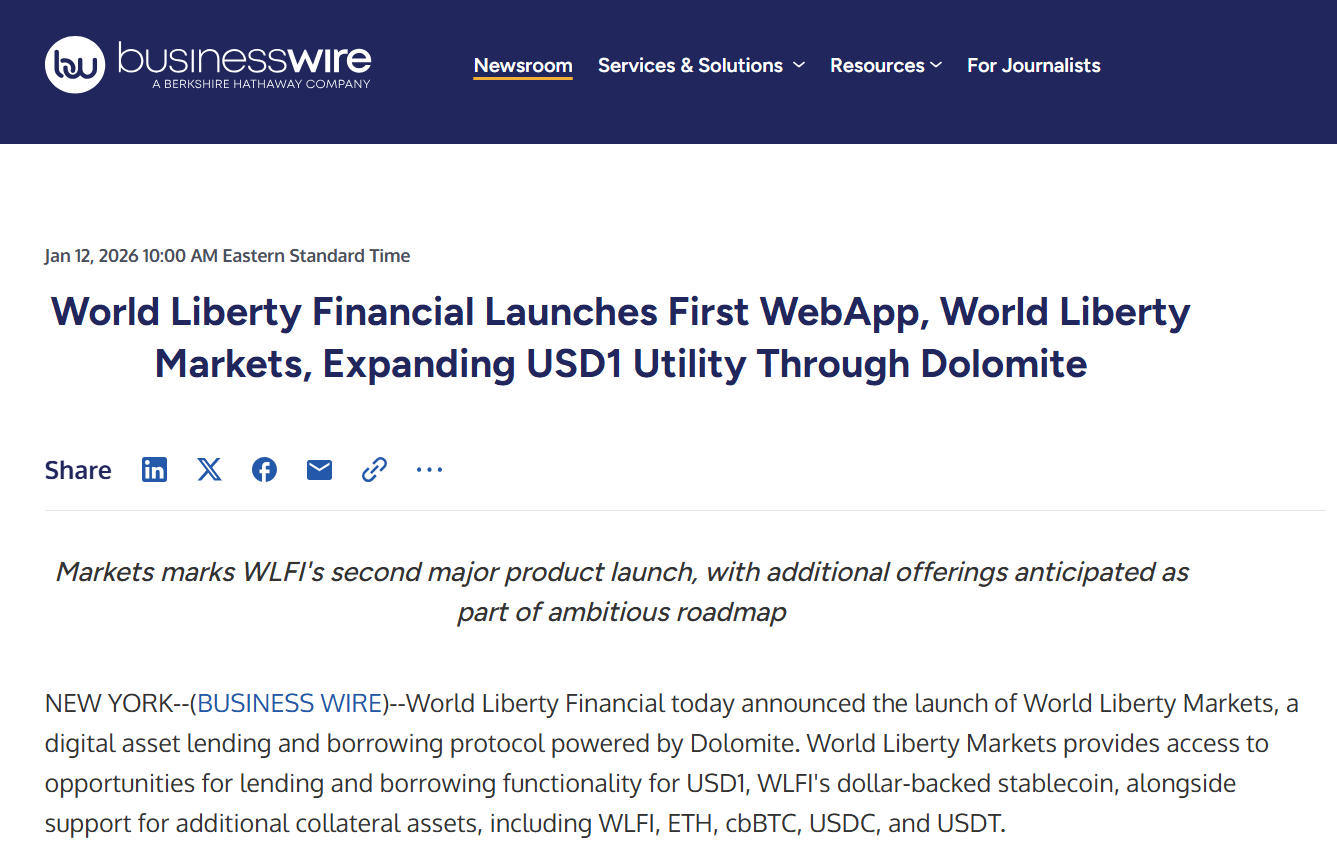
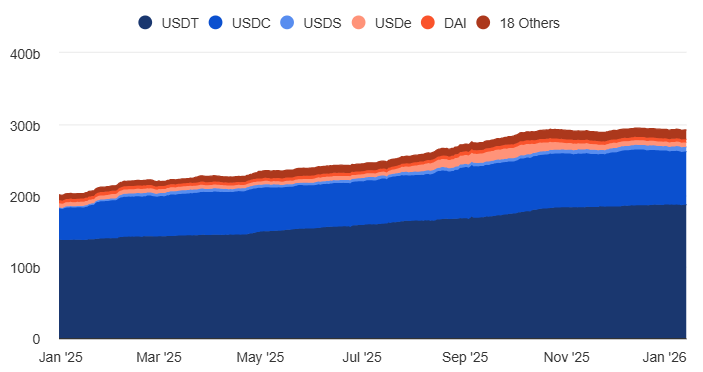
The launch marks World Liberty’s second major product release, following the debut of USD1 in March 2025. Since then, the stablecoin has grown rapidly. With a market capitalization just under $3.5 billion, USD1 now ranks among the largest dollar-backed stablecoins in circulation, sitting just behind PayPal’s PYUSD, according to data.
Expanding Beyond Stablecoins
World Liberty’s move into lending reflects a broader strategy to build out a full digital financial ecosystem around USD1. Crypto lending allows users to earn yield on their assets or access liquidity without selling holdings, a function that has long been central to decentralized finance.
By integrating USD1 into lending markets, the project is positioning its stablecoin as more than a payment or settlement tool. It also creates additional demand for the token at a time when competition among dollar-pegged stablecoins remains intense.
The rollout comes as World Liberty works to formalize its operations in the United States. Last week, an affiliated entity applied to the Office of the Comptroller of the Currency for approval to establish a national trust bank. If granted, the charter would place USD1 issuance, custody, and conversion under federal oversight, a significant step for a crypto-native stablecoin.
A Rebounding Crypto Credit Market
The timing of the launch coincides with a recovery in crypto lending activity after a prolonged downturn. According to a November report from Galaxy Digital, active decentralized finance loans reached nearly $41 billion by the end of the third quarter of 2025. When combined with centralized platforms, total crypto lending climbed to an estimated $74 billion, setting a new all-time high.
 Zack Pokorny
This renewed growth has encouraged new entrants and product expansions across the sector, as firms look to capture demand from institutional and retail users seeking yield and leverage in digital markets.
World Liberty’s platform relies on Dolomite infrastructure rather than Aave, another major player in the crypto lending space. That distinction has drawn attention given the background of some of World Liberty’s executives.
Leadership Background and Industry Scrutiny
Two senior figures at World Liberty, Zachary Folkman and Chase Herro, previously co-founded Dough Finance, an Ethereum-based lending protocol built on Aave V3 technology. Dough Finance suffered a flash loan attack in 2024, an incident that remains part of the executives’ track record within the industry. Dolomite and Aave now compete directly in the crypto credit market.
Beyond technical considerations, World Liberty’s ownership structure continues to attract scrutiny. The project lists former U.S. President Donald Trump and his sons as co-founders, raising questions from critics about potential conflicts of interest.
A Reuters investigation published in October reported that Trump-linked crypto ventures generated more than $800 million in income during the first half of 2025. Of that total, approximately $463 million was attributed to sales of World Liberty’s WLFI token. Earlier disclosures showed tens of millions of dollars in WLFI-related income in 2024, figures that surpassed earnings from the family’s traditional businesses such as golf courses and licensing deals.
World Liberty has stated that Trump and his family are not involved in daily operations, which are handled by executives with crypto industry experience. The company says its governance framework is designed to limit direct influence from its high-profile co-founders.
Looking Ahead
As USD1 climbs the stablecoin rankings and World Liberty expands into lending, the project is entering a more complex phase of growth, one shaped by regulatory scrutiny, market competition, and public attention. Whether the combination of a fast-growing stablecoin and a lending platform can sustain momentum will likely depend on execution, transparency, and broader conditions in the crypto market.
For now, World Liberty’s latest move underscores how quickly digital finance projects can evolve as stablecoins and crypto credit regain prominence worldwide.



