
Artificial intelligence is transforming software development, and one of its most exciting frontiers is Web3. A new breed of “vibe-coding” platforms—tools that turn natural language prompts into functional code—is making blockchain development faster, more accessible, and more secure.
While mainstream AI code assistants like GitHub Copilot or Cursor excel in general-purpose programming, Web3 requires a different level of specialization. Smart contracts, decentralised applications (dApps), and blockchain integrations demand precise code in languages such as Solidity, along with robust auditing to prevent costly errors. That’s where Web3-specific AI coding platforms step in.
Here are some of the leading AI-driven tools pushing the boundaries of blockchain development:
1. Dreamspace
Currently in beta, Dreamspace is a collaboration between Space and Time and MakeInfinite Labs. The platform allows developers to generate Solidity smart contracts directly from natural language prompts. Powered by Space and Time’s proof-of-SQL consensus mechanism, it ensures that off-chain data queries are cryptographically verifiable. With its GPT-style co-pilot, Dreamspace promises to compress development cycles dramatically, helping teams ship code in hours instead of weeks.
 Minh Dat Tran
2. Thirdweb AI
Thirdweb AI offers a chat-based wizard that can create and deploy audited ERC-20, ERC-721, and ERC-4337 smart contracts in seconds. Its proprietary reasoning model, t1, has been trained on thousands of blockchain transactions across dozens of chains, enabling automated agents to handle everything from wallet management to on-chain analytics. By removing up to 90% of the manual workload, it’s accelerating NFT, GameFi, and DeFi projects.
3. ChainGPT
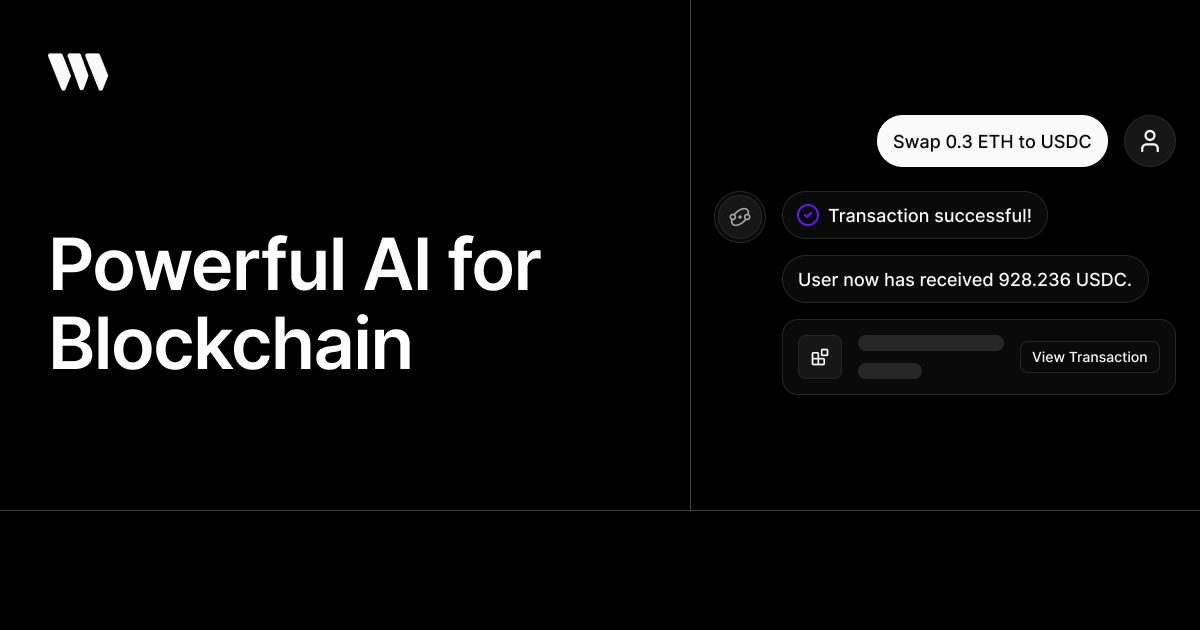
ChainGPT combines AI-powered smart contract coding with real-time crypto market analysis. Its chatbot can write, audit, and optimize blockchain code, even providing gas fee estimates before deployment. With built-in vulnerability detection, ChainGPT helps ensure that smart contracts are secure before they hit mainnet—an increasingly critical step as DeFi and Web3 projects attract billions in capital.
4. AutonomyAI
AutonomyAI focuses on scalability, offering autonomous agents that integrate into a company’s codebase to generate full-stack dApp templates. Its Agentic Context Engine adapts to each organization’s unique design and coding style, producing code with a claimed 95% acceptance rate. By bridging Web2 and Web3 workflows, AutonomyAI makes blockchain development accessible even for teams with limited Solidity expertise.
Gilad Shanyinvestor and Managing Partner at ION Crossover
5. BuildBear AI Playgrounds
BuildBear provides private testnet forks of any EVM-based blockchain, giving developers a sandbox environment to test and debug smart contracts before deployment. Its Solidity scanning tool reads project specifications, spins up a chain fork with mock tokens, and produces instant audit reports. When paired with AI coding platforms like Dreamspace or ChainGPT, BuildBear offers a crucial verification layer that helps reduce risk.
Why It Matters
These platforms are redefining Web3 development by turning natural language into production-ready code, reducing the barrier to entry for developers worldwide. With automated auditing and cryptographic verification baked in, AI-generated smart contracts are becoming faster to build and safer to deploy.
The shift is significant: instead of spending weeks navigating blockchain’s steep learning curve, developers can now prototype, test, and ship applications in a fraction of the time. As the Web3 ecosystem grows, these AI-powered platforms could help close the talent gap while driving the next wave of decentralised innovation.



