
The Open Network (TON) now processes transactions with sub-second finality following a protocol upgrade, according to statements from the project and Telegram CEO Pavel Durov. The improvement targets real-time performance required for large-scale consumer applications.
The upgrade, powered by Catchain 2.0, increases block production rates sixfold and accelerates transaction speeds by up to ten times, Durov said Thursday. TON indicated the changes will be active on mainnet by April 10, though parts of the upgrade are already operational.
 TON
TON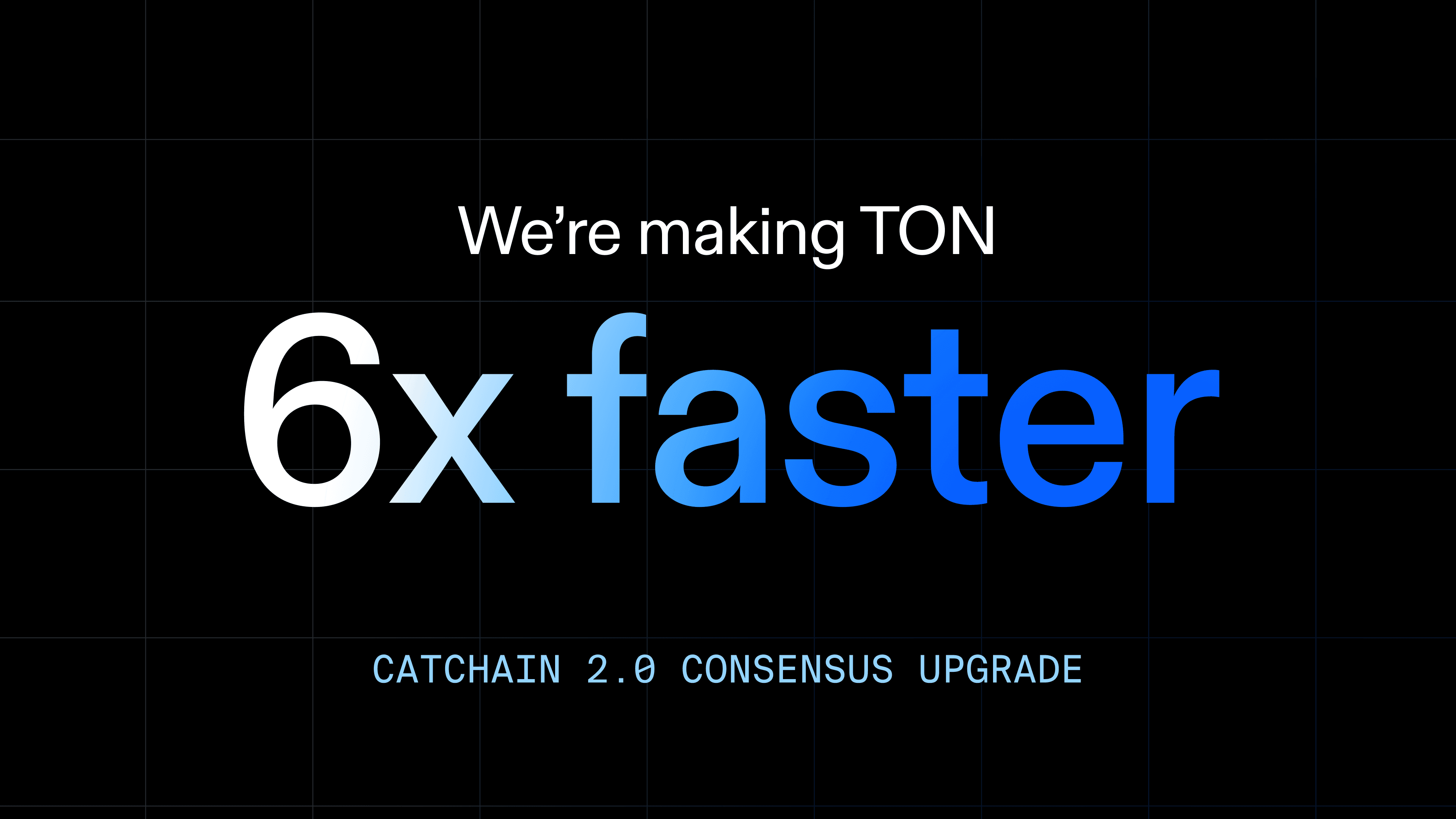
Can Sub-Second Finality Unlock Telegram Scale Use Cases?
TON is designed to support transactions and applications within Telegram’s ecosystem, which Durov said exceeds 1 billion users. The upgrade addresses prior latency constraints, where confirmation times of around ten seconds limited responsiveness for payments and in-app interactions.
Competing blockchains have also prioritized faster settlement times to capture consumer-facing applications. Yet few networks operate with direct access to a messaging platform of comparable scale, giving TON a distribution advantage if performance improvements translate into user adoption.
“The TON blockchain just got upgraded and is now 10× faster,” Durov said, adding that transactions are now “instant, subsecond.”
TON stated that faster block production will also increase validator rewards, strengthening incentives for network participation and staking.
The project traces its origins to Telegram’s abandoned 2018 blockchain initiative, which faced enforcement action from the U.S. Securities and Exchange Commission (SEC). Development later continued through open-source contributors, rebranding the network as TON in 2022.
Still, execution risk remains tied to whether developers can build applications that fully utilize the new speed parameters. The next catalyst will be TON’s planned reduction in transaction fees, which Durov said could decrease by a factor of six in subsequent upgrades.



