
If you’re serious about holding cryptocurrency long-term, you need to think of your private keys—the secret codes that control your funds—as gold bars. You wouldn't keep gold bars under your pillow, so why would you leave your keys constantly connected to the internet?
Cold storage is the practice of securing your crypto private keys offline. This strategy offers the highest level of protection against the most common threats in the digital world, essentially putting your assets into a fortress no online hacker can breach.
Hot vs. Cold: The Security Trade-Off
Understanding crypto storage is a trade-off between convenience and security.
Hot Storage (Online)
- What it is: Any wallet that is connected to the internet, such as browser extensions (MetaMask), mobile apps (Phantom), or accounts on a centralized exchange.
- Pro: Instant access for trading, connecting to Web3 apps, and managing decentralized finance (DeFi).
- Con: Vulnerable to online cyber threats like phishing scams, malware, or viruses that could intercept your private key when you sign a transaction.
Cold Storage (Offline)
- What it is: A device or physical method used to store your private keys completely offline, where they've never touched an internet connection.
- Pro: Eliminates the online threat vector. If the key is offline, a hacker in another country can't steal it.
- Con: Less convenient for active trading. It’s a process to bring the key online just to sign a transaction.
Your Best Bets for Offline Storage
There are two primary methods people use for cold storage, but they offer vastly different levels of security and usability.
1. Hardware Wallets (The Gold Standard)
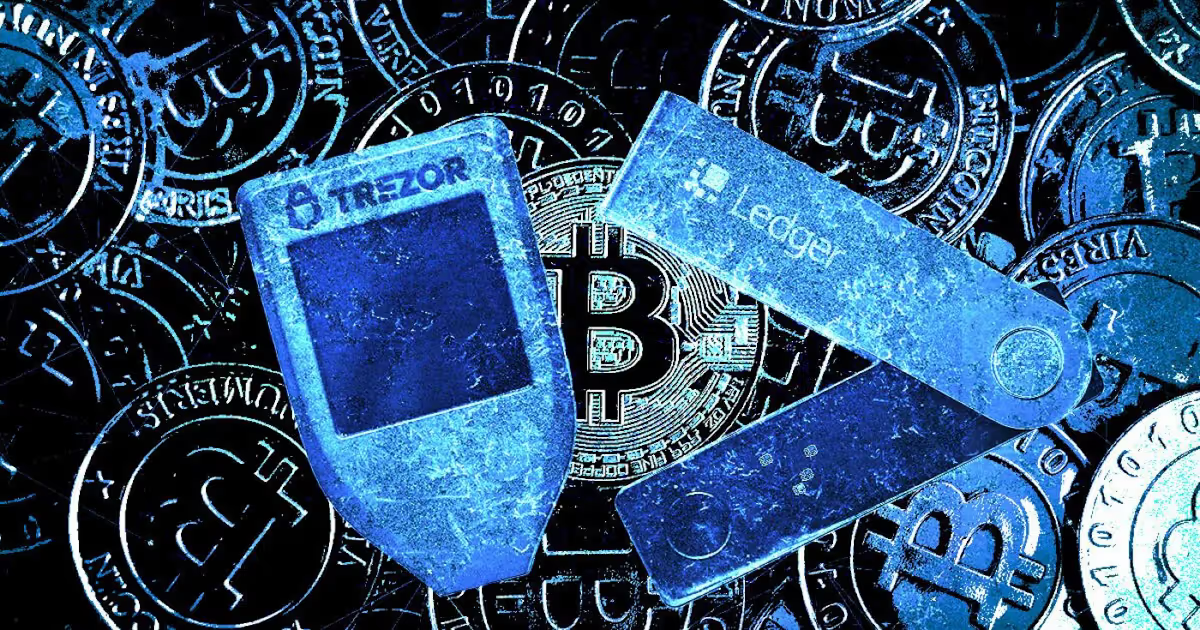
Hardware wallets are small, dedicated electronic devices—often resembling a USB drive—built solely for the secure storage of private keys.
- How They Work: The private key is generated and stored securely within the device's chip. When you want to make a transaction, you connect the device to your computer. The transaction data is sent to the device, you review and approve it on the device’s small screen, and the device signs the transaction internally before broadcasting the signed result back to the network. The private key never leaves the device.
- Key Players: Leading manufacturers include Ledger (known for the Nano series and Stax) and Trezor.
- Security & Cost: They are the most sophisticated and secure option, but you must purchase the device itself.
2. Paper Wallets (The Riskiest Option)
Paper wallets are the most rudimentary form of cold storage: a printed document that contains the public and private keys (or their QR codes).
- Pros & Cons: They're free and simple, but they are also the riskiest. Paper can be lost, burned, or destroyed by water. Critically, to spend funds, you typically have to import the key into a hot wallet, briefly exposing it to the very online risks you were trying to avoid.
Crucial Cold Storage Security Tips
Even with a hardware wallet, your security is only as good as your personal precautions. Never skip these steps:
- Buy Direct: Always purchase a hardware wallet directly from the manufacturer's official website. Devices purchased from third-party resellers (like Amazon or eBay) may have been tampered with in the supply chain to compromise the keys.
- Protect Your Recovery Phrase: The most important item is your recovery seed phrase (usually 12 or 24 words). This is the master key to your crypto. Store it in a physically secure location (a safe or vault) that is completely separate from the hardware device itself.
- Keep Firmware Updated: Always ensure your hardware wallet's firmware is running the latest version to patch any potential vulnerabilities.
- Avoid Used Devices: Never, under any circumstances, use a secondhand hardware wallet. There’s no way to verify that the previous owner hasn't retained a copy of the private key or seed phrase.
For long-term investors who prioritize protection above all else, cold storage isn't just a suggestion—it’s the cornerstone of responsible digital asset management.



