
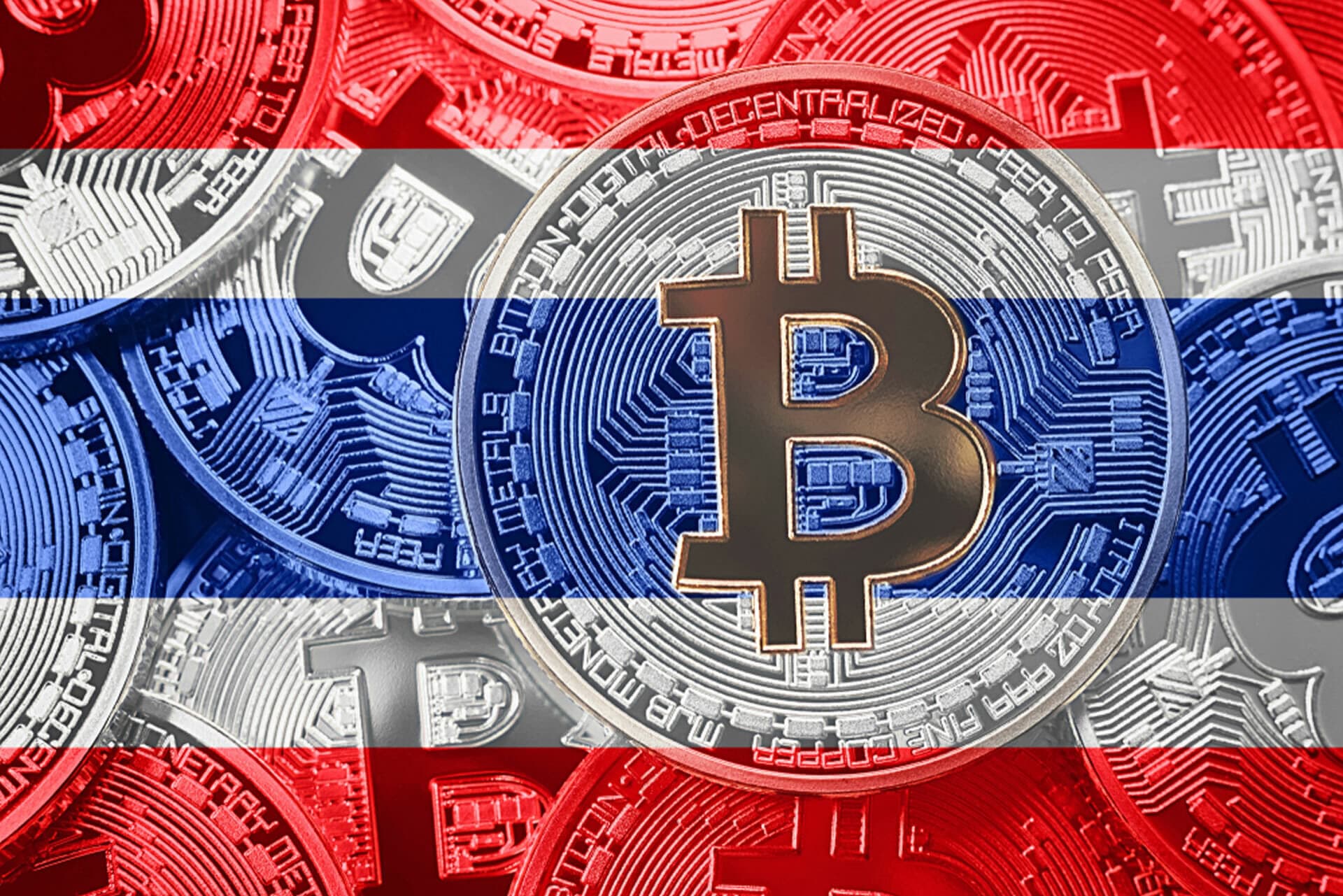
Thailand has taken a bold step toward becoming a leading digital asset hub by approving a capital gains tax exemption on cryptocurrency transactions through the end of 2029. The new policy, officially endorsed by the Cabinet this week, aims to stimulate investment, innovation, and economic growth in the country's fast-evolving crypto sector.
The measure, proposed by the Ministry of Finance, removes personal income tax obligations on profits from digital asset sales—provided the transactions are conducted through platforms licensed by Thailand’s Securities and Exchange Commission (SEC). These include regulated exchanges, brokers, and dealers operating under the Digital Asset Business Decree enacted in 2018.
Deputy Finance Minister Julapun Amornvivat confirmed the initiative in a statement Tuesday, saying the government is “moving full speed ahead” to position Thailand as a global leader in the digital economy. “This is a key step in unlocking Thailand’s economic potential,” he noted, highlighting opportunities for local entrepreneurs and the broader impact on national competitiveness.
[📢 เดินหน้าเต็มสูบ! รัฐบาลเร่งส่งเสริมไทยเป็นศูนย์กลางสินทรัพย์ดิจิทัลของโลก 🇹🇭🌐]
— จุลพันธ์ อมรวิวัฒน์ (@jamornvivat) June 17, 2025
ผมมีข่าวดีมาบอกครับ! วันนี้คณะรัฐมนตรี (ครม.) ได้อนุมัติมาตรการภาษีเพื่อส่งเสริมการเป็น Digital Asset Hub ตามที่กระทรวงการคลังเสนอ…
By offering regulatory clarity and tax incentives, Thai officials hope to attract foreign capital, promote domestic spending, and support emerging fintech businesses. The tax exemption is expected to generate over 1 billion baht (about $30 million) in revenue over the medium term by encouraging more transparent and officially sanctioned digital asset activity.
Thailand has been proactive in adapting to the global crypto landscape. In February 2024, the government scrapped a 7% value-added tax (VAT) on crypto gains, reinforcing its support for regulated trading. Earlier this year, the SEC also indicated it may permit locally issued Bitcoin ETFs on Thai exchanges—a move seen as aligning with trends in more mature markets like the U.S. and Hong Kong.
At the same time, the Thai regulator has cracked down on unauthorized platforms. In May, the SEC announced it would block access to major international exchanges such as Bybit, OKX, CoinEx, and others that are operating without licenses in Thailand. This dual approach—encouraging innovation while enforcing compliance—reflects a broader strategy to ensure that growth in the crypto space is both secure and sustainable.
Looking ahead, the country’s revenue department is preparing to implement the OECD’s Crypto-Asset Reporting Framework, which will enhance transparency and reporting standards for digital transactions.



