

Stablecoins just had their busiest quarter ever. According to a new Q3 2025 report from CEX.io, on-chain stablecoin activity soared to record highs, with total supply climbing by roughly $43 billion and trading volumes reaching levels not seen in four years.
But there’s a catch: over 70% of those transactions weren’t made by humans at all—they were driven by bots.
A Bullish Quarter With a Shadow
On paper, stablecoins are thriving. Retail adoption is up, with small transfers (under $250) hitting an all-time high. By the end of September, stablecoin activity had already surpassed the entire transaction volume of 2024, setting 2025 up to be the most active year yet.
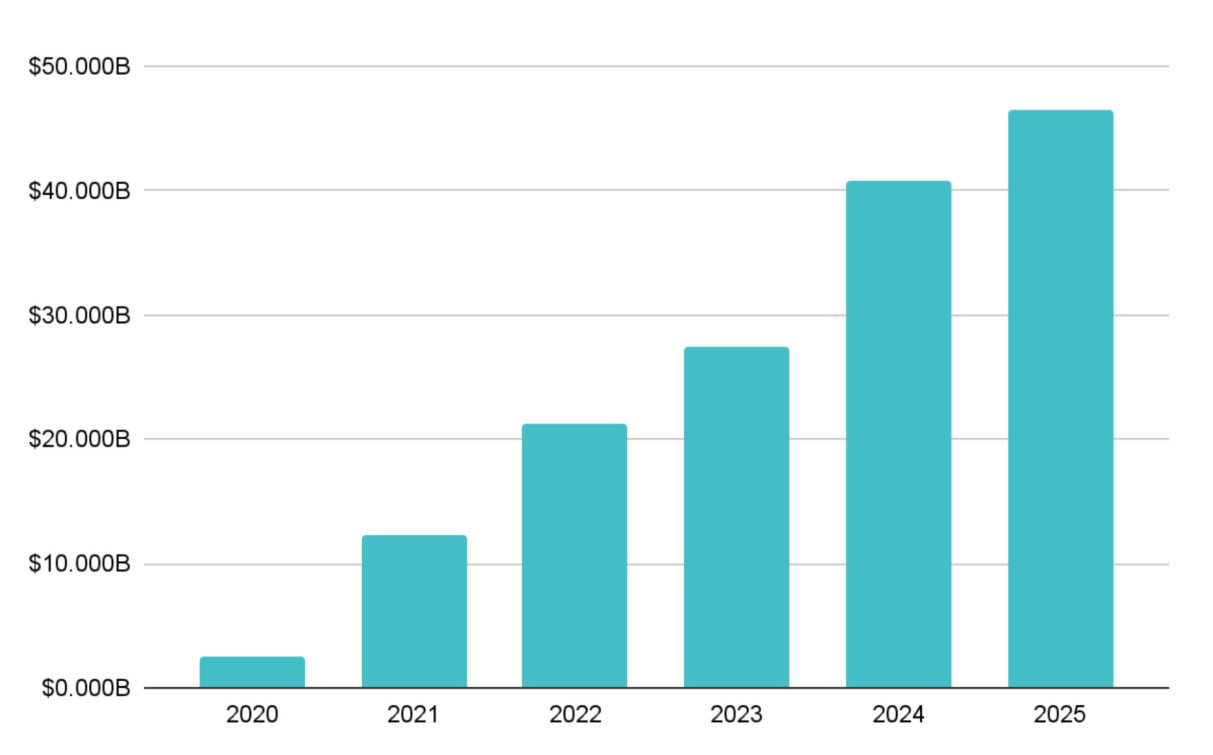
This kind of growth reinforces the narrative that stablecoins are becoming a core piece of the global digital payments system—acting as a bridge between crypto and traditional finance.
Yet beneath the bullish numbers lies a more complicated story.
The Bot Problem
The CEX.io report highlights a steady rise in bot-driven transactions, which made up 71% of all stablecoin activity in Q3, up from 68% in the previous quarter. Many of these were unlabeled, high-frequency transfers—a red flag that could point to wash trading or other activity with little real economic value.
In September, when human traders pulled back amid cooler market conditions, bots kept activity high. That persistence raises questions:
- Are stablecoin volumes overstating real adoption?
- Could bot dominance distort market signals for retail traders and institutions alike?
- Does this weaken stablecoins’ role as a reliable on- and off-ramp for the broader financial system?
Why It Matters
Bots aren’t new to crypto—they’ve long played a role in market making and arbitrage. But at this scale, they can introduce risks. Automated activity can make markets behave irrationally and erode user confidence, especially if retail investors fear manipulation.
If stablecoins are going to fulfill their promise as the backbone of global digital payments, they’ll need to prove their utility isn’t being undermined by automated, non-human trading.
For now, the sector looks stronger than ever. But with bots responsible for the majority of activity, the question is whether these numbers reflect genuine adoption—or just noise in the system.



