
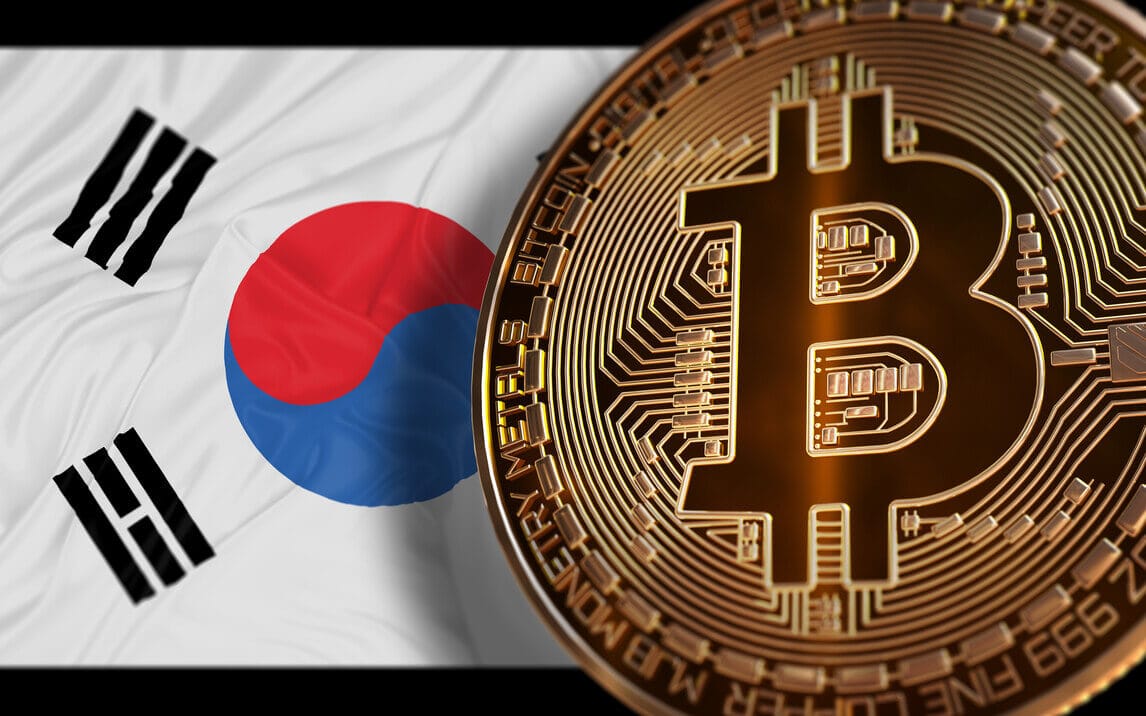
South Korea has committed to joining a global effort to improve oversight of cryptocurrency transactions, agreeing to share data with up to 48 countries under the OECD’s Crypto-Asset Reporting Framework (CARF). The initiative is designed to boost tax transparency and curb cross-border evasion in the fast-growing digital asset market.


Data Collection Starts Next Year
According to South Korea’s Ministry of Economy and Finance, crypto exchanges such as Upbit and Bithumb will be required to begin collecting detailed user data starting in 2025. The system, which includes reporting investor identities and transaction histories, will officially be enforced in early 2027.
두나무
Information collected will be shared both with South Korea’s National Tax Service and, under the OECD framework, with participating partner countries that also agree to reciprocal data exchange.
Why It Matters
The agreement is part of the OECD’s global initiative to strengthen financial transparency. Member states will exchange information on cryptocurrency holdings and transactions in order to detect money laundering, fraud, and tax evasion.

The move also aligns with South Korea’s upcoming Crypto Tax bill, which is set to impose a 20% tax on digital asset gains starting in 2027, following a two-year delay in implementation.
Rising Crypto Activity in South Korea
The decision comes amid rising crypto activity among South Korean investors. National agencies reported KRW 11.1 trillion ($790 million) in foreign crypto transactions this year—up KRW 700 billion ($503 million) from the previous year.
At the same time, authorities have tightened enforcement. Between 2021 and 2022, the government seized nearly $180 million worth of digital assets from tax evaders, underscoring the scale of crypto-related tax issues in the country.
Global Push for Transparency
Under the OECD’s CARF, crypto service providers are expected to collect data on customer tax residencies and identification numbers while monitoring unusual or large transactions. Reports will be shared annually across participating jurisdictions, including countries such as Germany, the U.K., and Japan.
In a statement quoted by local media, South Korea’s Ministry of Economy and Finance said the goal was to “establish detailed regulations for implementing the Virtual Asset Information Exchange Agreement.” An official administrative notice for investors is expected later this month.



