

South Korea has suspended its ambitious artificial intelligence (AI) textbook program just four months after launching it nationwide, following widespread criticism over errors, data privacy concerns, and increased burdens on teachers and students.
The project, which cost roughly 1.2 trillion won ($850 million), was designed to modernize the classroom experience by introducing digital, AI-powered textbooks across schools. Initially made mandatory at the start of the school year in March, the use of AI textbooks has now been downgraded to optional, with participation reportedly dropping by half.
Technical Failures and Student Frustration
In a report by Rest of World, journalist Junhyup Kwon cited students who struggled with the new system.
“All our classes were delayed because of technical problems with the textbooks,” one student said. “I found it hard to stay focused and keep on track. The textbooks didn’t provide lessons tailored to my level.”
 Munira Mutaher
The AI textbooks were intended to personalize learning by adapting materials to each student’s ability, a feature praised by some developers.
“Using digital devices students are familiar with keeps them more focused and engaged,” said Kim Jong-hee, Chief Digital Officer of Dong-A Publishing, one of the program’s contributors. “The textbooks provide more personalized support for students struggling with lessons.”
However, educators and parents raised concerns that the technology was rolled out too quickly, without sufficient testing or safeguards to protect students’ data.
Lawmakers Question the Rush
During a parliamentary session in January, legislator Kang Kyung-sook questioned the Ministry of Education’s haste in deploying the system.
“Traditional print textbooks take 18 months to develop, nine months for review, and six months for preparation,” Kang said. “The AI textbooks took only 12 months to develop, three for review, and three for preparation. Why was it rushed? These are for children—they require careful verification.”
The controversy deepened as critics accused policymakers of politicizing the initiative and pushing it forward without consensus, especially amid a change in government leadership during the rollout.
A Costly Lesson in EdTech Implementation
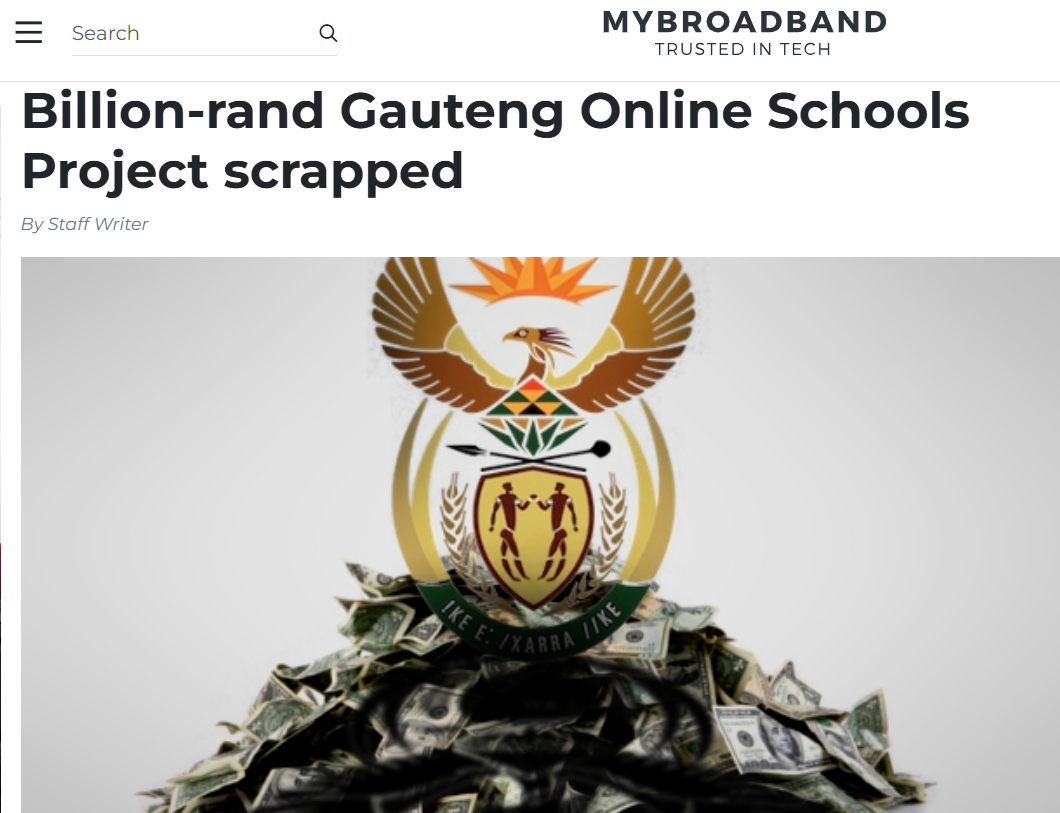
The failure of South Korea’s AI textbook initiative joins a long list of high-profile educational technology setbacks around the world. Past examples include South Africa’s Online Schools Project, which was discontinued in 2013 after costing about R1 billion ($57 million), and Malaysia’s 1BestariNet, a virtual learning environment scrapped in 2019 amid complaints about poor internet speeds and alleged mismanagement.
What sets South Korea’s case apart is the speed and scale of its collapse. Few national education projects of such cost have been reversed so swiftly.
Adding to skepticism about the technology, a recent MIT study found that long-term reliance on AI in educational settings could lower brain activity, raising questions about whether such tools are suitable for developing minds.
Looking Ahead
While the South Korean government has not completely abandoned digital learning, the AI textbook setback highlights the challenges of integrating advanced technologies into classrooms without adequate infrastructure, testing, or teacher training.
For now, many educators and students are returning to traditional materials — a reminder that innovation in education requires not just technology, but time, trust, and thoughtful implementation.



