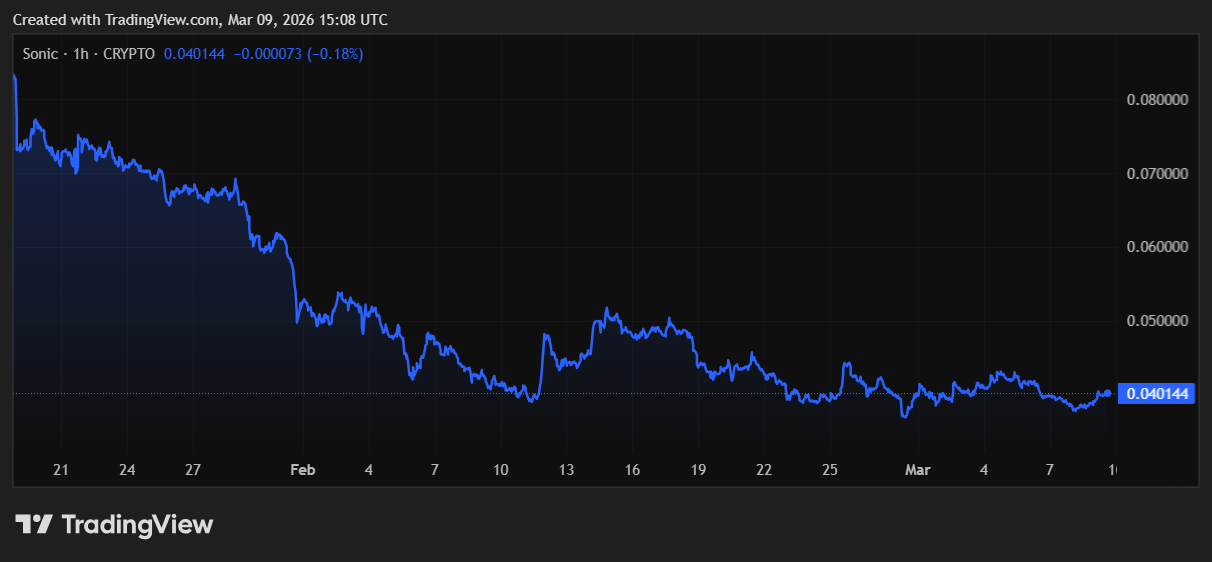
Sonic Labs plans to launch a network-native stablecoin backed by U.S. government debt. The move gives the high-throughput blockchain a dedicated source of on-chain dollar liquidity as competition intensifies among Layer-1 networks for institutional capital.
The token, called USSD, will hold reserves in U.S. Treasuries, including tokenized instruments issued by BlackRock, WisdomTree, and Superstate, according to a company statement Monday. Sonic Labs built the stablecoin using the GENIUS-compatible frxUSD infrastructure developed by Frax Finance. The system allows projects to issue branded stablecoins using Frax’s modular backend while maintaining institutional-grade compliance and reserve architecture.
USSD will also integrate several cross-chain standards to widen distribution. The stablecoin can be minted from more than 10 blockchains directly into the Sonic network using LayerZero messaging. It will also be convertible with Circle’s USD Coin (USDC), currently the second-largest stablecoin by market capitalization.
Can A Native Stablecoin Deepen Liquidity On Sonic?
Stablecoins remain the backbone of decentralized finance liquidity across major networks. The global stablecoin supply exceeds $160 billion, according to data from DeFiLlama, with USDC representing a significant share of institutional flows. Sonic’s strategy mirrors similar efforts by networks such as MakerDAO’s DAI ecosystem and Ethena’s USDe model, where protocol-native dollar assets anchor trading, lending, and derivatives activity.
USSD redemptions will rely on Circle’s Cross-Chain Transfer Protocol, which enables native transfers of USDC across supported networks. According to Sonic Labs, this design allows users to redeem USSD back into USDC across any chain integrated with the protocol, creating what the company describes as a familiar entry and exit route for liquidity.
“USSD is a foundational step in our vertical integration initiative,” said Samuel Harcourt, a core contributor at Sonic.
He added that a network-native stablecoin backed by real-world assets enables Sonic to tap institutional yield at the base layer while supporting buybacks and external incentives for the ecosystem.
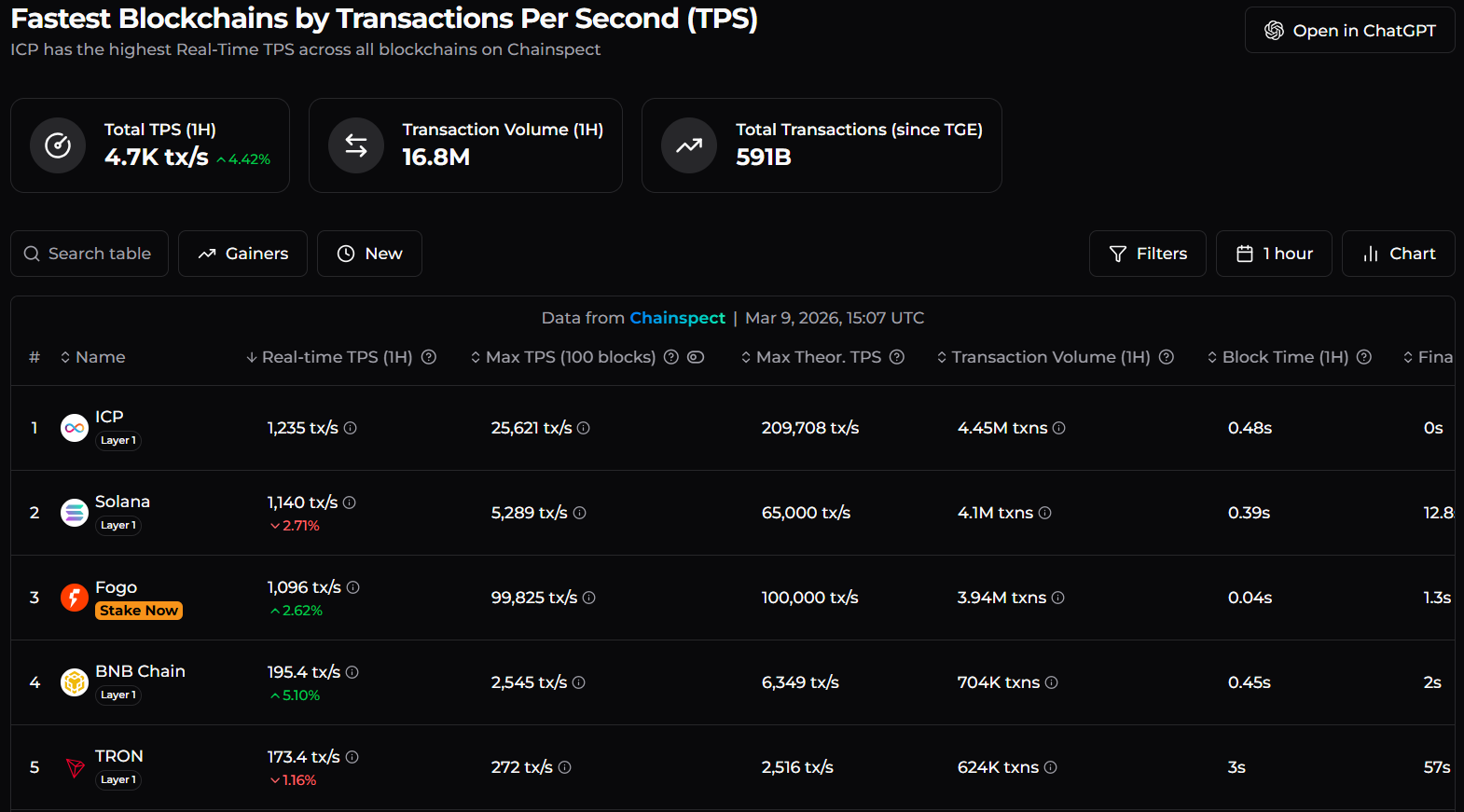
Sonic operates as an Ethereum Virtual Machine-compatible Layer-1 blockchain designed for high throughput and near-instant transaction confirmation. Data from Chainspect ranks the network among the fastest EVM-compatible chains. If adoption follows other stablecoin-driven ecosystems, the next catalyst will likely be whether decentralized finance protocols begin integrating USSD as a core trading and lending asset across Sonic.