
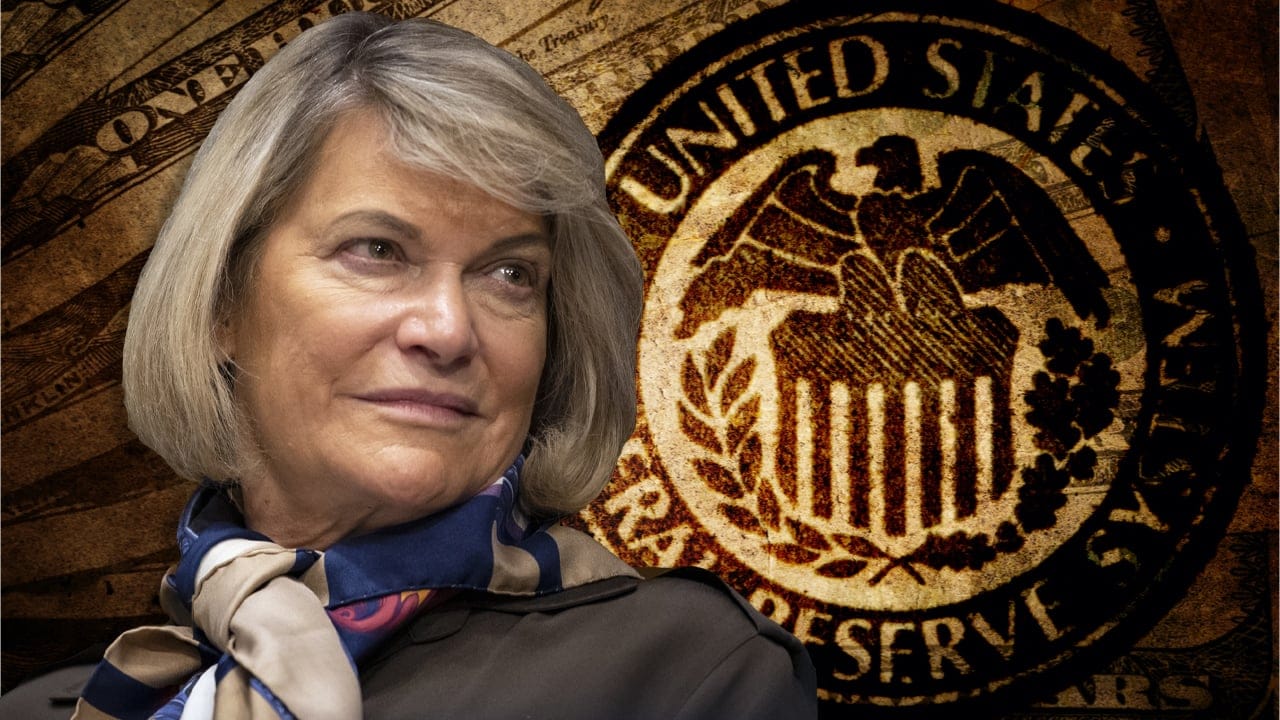
Washington, D.C. – Lawmakers in the Senate Finance Committee are making measurable progress on long-debated rules around how cryptocurrencies should be taxed, according to Sen. Cynthia Lummis (R-Wyo.), one of Capitol Hill’s most vocal supporters of digital assets.
Speaking Tuesday at the BTC in D.C. event, Lummis said the committee is working on a draft framework that incorporates many of the ideas she has previously proposed.
“As I understand it, the draft that the Senate Finance Committee is working on includes 10 things, our nine and one other,” Lummis told attendees. “So I think we’re making progress on that.”
Push for Clearer Crypto Tax Treatment
In July, Lummis introduced legislation aimed at updating how digital assets are handled under the tax code. Key provisions include:
- A de minimis exemption that would exclude crypto transactions under $300 from capital gains reporting.
- Clarifying that digital asset lending does not trigger a taxable event.
 See profile
Both measures have strong backing from crypto industry groups, which argue that current rules create unnecessary friction for everyday transactions and innovation. While these proposals were previously left out of larger legislative packages, Lummis now says momentum is building within the Finance Committee.
“We’re working with members of the Senate Finance Committee now to help usher that forward in both parties,” Lummis said, noting that Sen.
Ron Wyden (D-Ore.) has been “a great partner” in bipartisan discussions.
Senate Hearing on Digital Asset Taxes
The Senate Finance Committee is scheduled to hold a hearing on Wednesday, October 1, titled “Examining the Taxation of Digital Assets.” Witnesses will include Jason Somensatto, director of policy at Coin Center, and Andrea S. Kramer, founding member of ASKramer Law.
The session comes against the backdrop of a looming government shutdown if Congress cannot reach a funding agreement by October 1. A committee spokesperson confirmed that the hearing will proceed as planned regardless of a shutdown.
Why It Matters
Clarity on crypto taxation has been a top priority for both policymakers and the digital asset industry. Currently, even small transactions can create complicated reporting requirements, and uncertainty around lending and staking activities has further muddied compliance.
If the Senate Finance Committee can craft bipartisan legislation, it could set the stage for the most significant update to U.S. crypto tax policy to date — one that advocates argue would modernize rules for a rapidly evolving financial landscape.



