
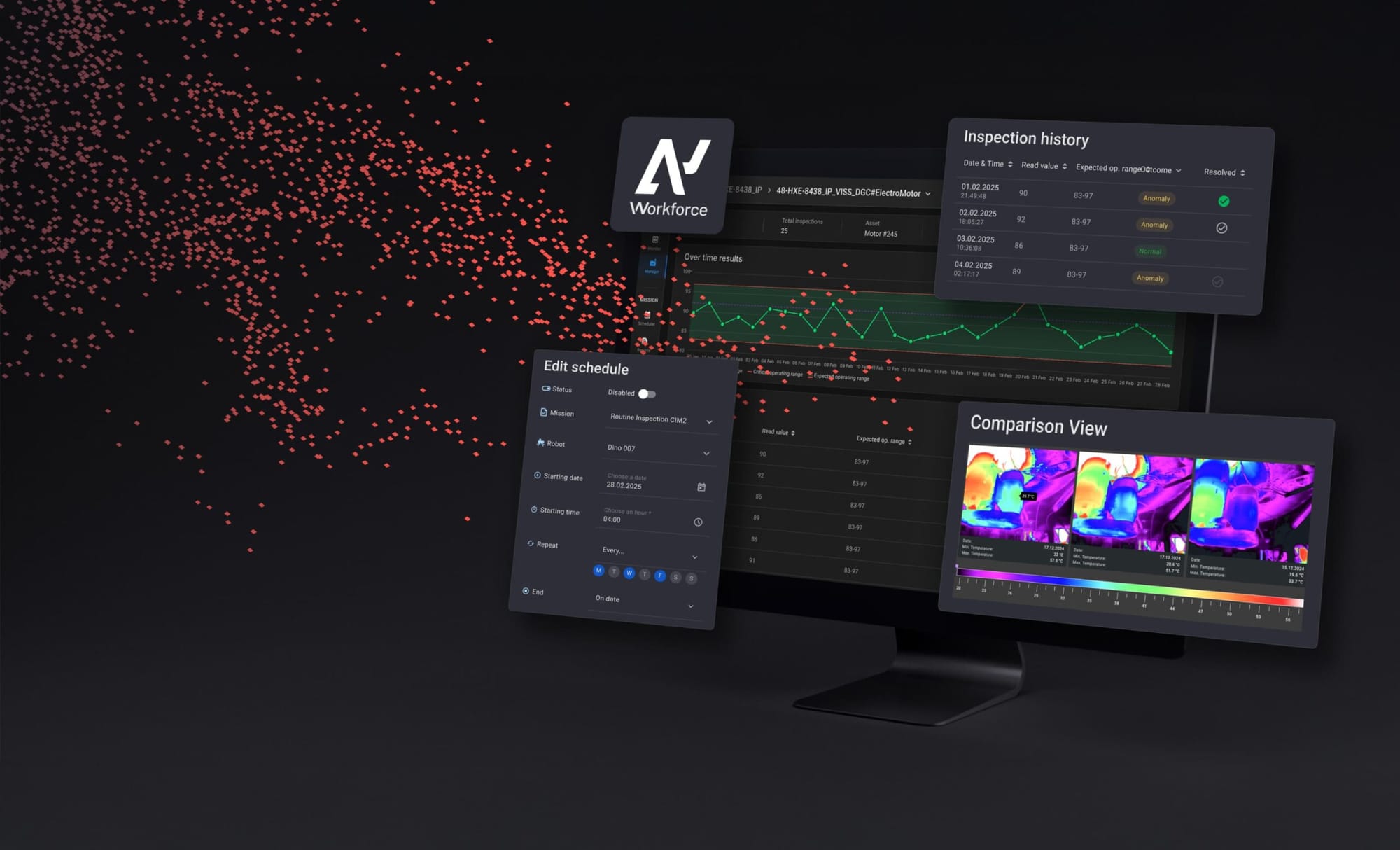
SAP and ANYbotics are integrating autonomous robots directly into enterprise resource planning systems, shifting industrial AI from isolated tools to embedded infrastructure. The approach reduces inspection delays and automates maintenance workflows in hazardous environments.
ANYbotics’ four-legged robots will connect to SAP systems as mobile data nodes, feeding real-time sensor data into asset management modules. Instead of relying on manual inspection reports, issues such as overheating equipment can trigger instant maintenance requests, spare parts checks, and scheduling actions within the same system.
Can Physical AI Eliminate Industrial Inspection Delays?
The integration addresses a long-standing gap between detecting faults and initiating repairs. Traditionally, workers identify issues and log them later, creating delays that increase downtime risk. By contrast, robots equipped with thermal and acoustic sensors can continuously monitor equipment and transmit actionable data without human intervention.
But, deploying physical AI at scale introduces new operational challenges. Compared with traditional software rollouts, industrial environments face connectivity limits, requiring edge computing and private 5G networks to process large volumes of sensor data locally. Security risks also expand, as connected robots become potential entry points for cyberattacks.
The system depends on filtering vast streams of unstructured data into usable outputs. Middleware translates robot telemetry into structured inputs for SAP, while strict thresholds prevent alert overload. Without these controls, maintenance teams risk being overwhelmed by false positives and ignoring critical warnings.
Can enterprises balance automation efficiency with data reliability and workforce adaptation? The next phase will depend on pilot deployments scaling into full operations, with success tied to network resilience, security frameworks, and how effectively firms integrate robotic data into long-term predictive maintenance models.



