
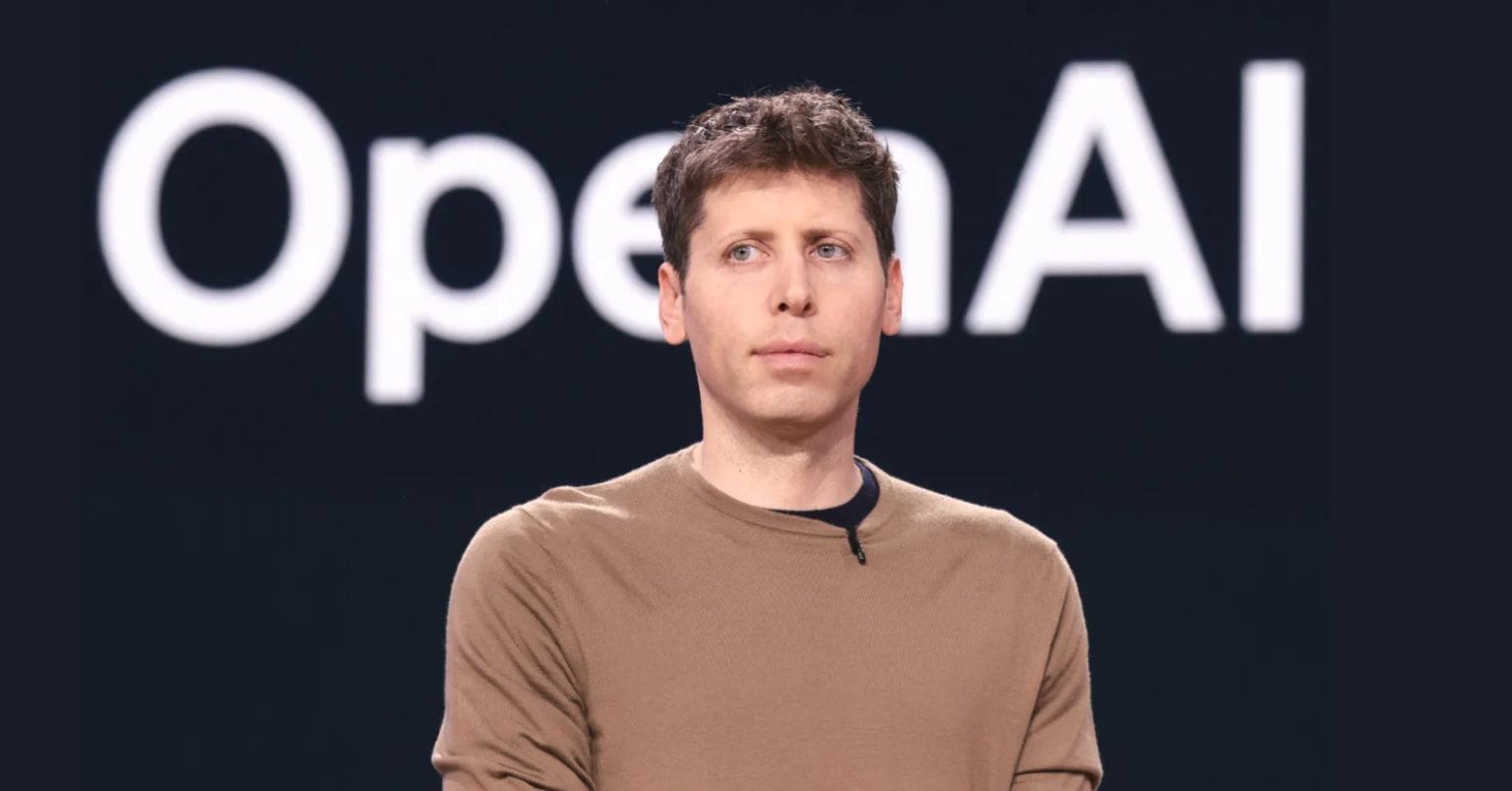
At a recent Federal Reserve conference in Washington, OpenAI CEO Sam Altman delivered a stark message: artificial intelligence isn’t just transforming the workplace—it’s replacing it. Speaking candidly to regulators and financial leaders, Altman described a future that is already arriving, where entire job categories are vanishing and national security is being rewritten in real time.
“Some areas, again, I think will be totally, totally gone,” Altman said, highlighting customer support as a clear example.
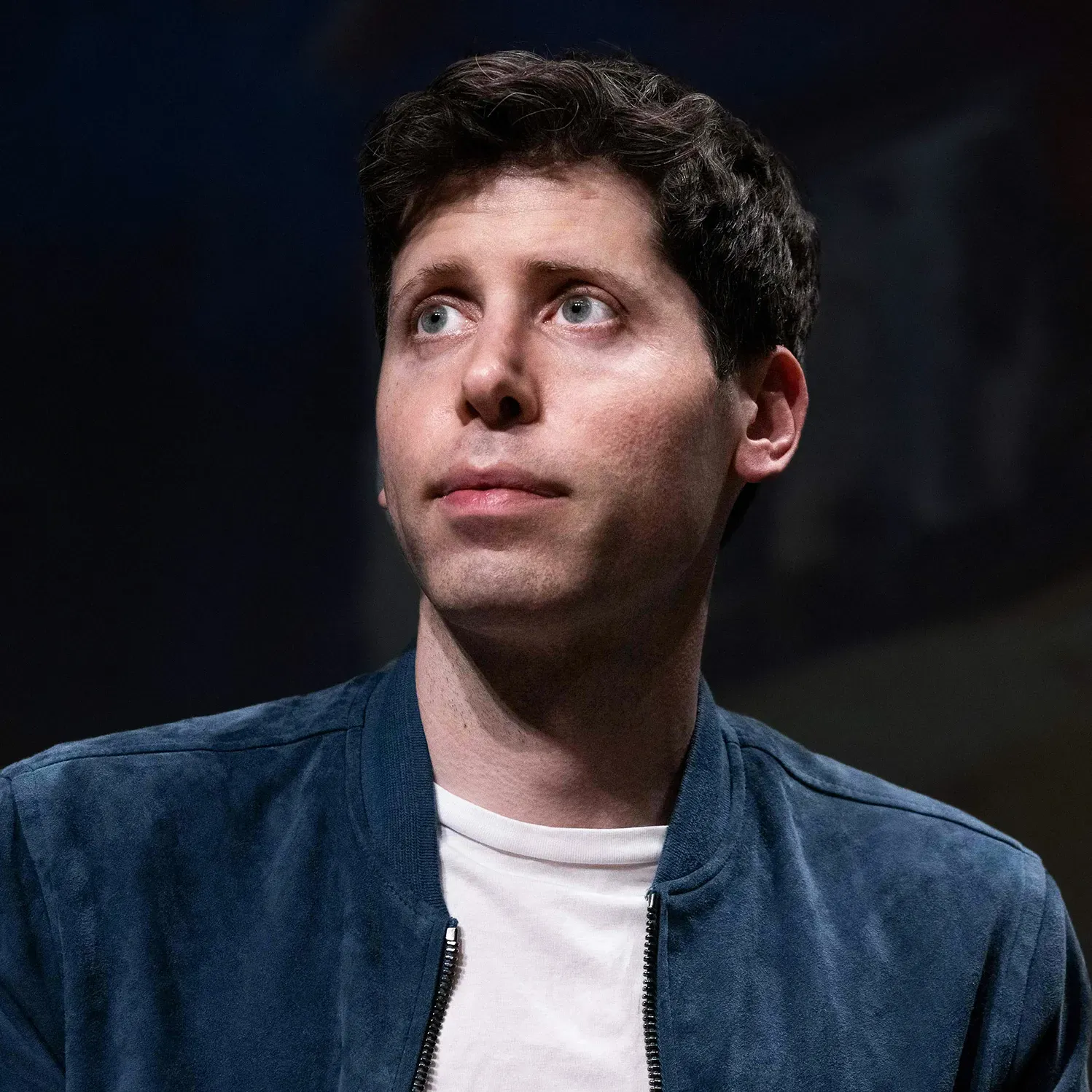
According to him, AI agents are already capable of outperforming humans in that space—responding faster, more accurately, and without the need for human oversight.
Altman painted a picture of seamless automation: “There’s no phone tree, no transfers. It can do everything any customer support agent could do. It does not make mistakes. You call once, and the thing just happens.”
But while Altman championed the power and potential of AI, he also acknowledged its risks. He spoke openly of sleepless nights, haunted by the idea of a hostile nation using AI to target the U.S. financial system. He raised alarms about voice cloning technology, warning that some banks still accept voice authentication—a system increasingly vulnerable to synthetic impersonation.
Altman’s vision extends well beyond tech support. He claimed that OpenAI’s flagship product, ChatGPT, now rivals the diagnostic capabilities of the world’s top doctors. Yet even with that assertion, he confessed discomfort at the idea of trusting his own health entirely to an AI.
“I really do not want to, like, entrust my medical fate to ChatGPT with no human doctor in the loop,” he admitted.
This duality—AI as savior and threat—underscores Altman’s central argument. The future is coming fast, and OpenAI, he insists, must be the one guiding its direction. That’s part of why the company is opening a Washington office next year, to deepen its engagement with lawmakers and policy shapers.
Not everyone shares Altman’s outlook. Manoj Chaudhary, CTO of Jitterbit, cautioned against the narrative that AI inevitably kills jobs. Instead, he argued, it’s poor implementation that poses the real danger.

“AI isn’t what threatens jobs, but rather poorly planned deployment,” Chaudhary said. “The real danger lies in using powerful tools without purpose or human judgment.”
He emphasized that empathy and nuance—qualities essential in fields like healthcare, education, and customer service—can’t be automated. Companies too quick to cut costs, he warned, risk losing the human insight that drives long-term value.

The national conversation around AI is also shifting politically. Under President Biden, the focus leaned toward responsible deployment and regulatory oversight. In contrast, the current administration under Donald Trump appears more intent on accelerating AI development to maintain a competitive edge over China.
Altman’s visit to Washington—his first major testimony since becoming a global AI figurehead in 2023—highlighted this tension. On one hand, he promises technological leaps that could redefine human capability. On the other, he warns of a future where misuse of AI could lead to economic disruption and security crises.
In both message and mission, Altman walks a fine line: promoting rapid innovation while pleading for caution. His ultimate pitch is clear—AI is reshaping everything, and OpenAI is the only entity capable of steering it safely.



