

Ripple has taken a notable step into decentralized finance by integrating Hyperliquid into its Ripple Prime brokerage platform. The move marks the first time Ripple Prime has directly supported a DeFi venue, signaling growing institutional interest in accessing onchain markets through familiar, regulated-style infrastructure.
With the new integration, Ripple Prime clients can trade Hyperliquid’s onchain derivatives while managing those positions alongside exposures from other markets within a single platform. This includes positions held across centralized crypto exchanges as well as traditional asset classes such as foreign exchange and fixed income.
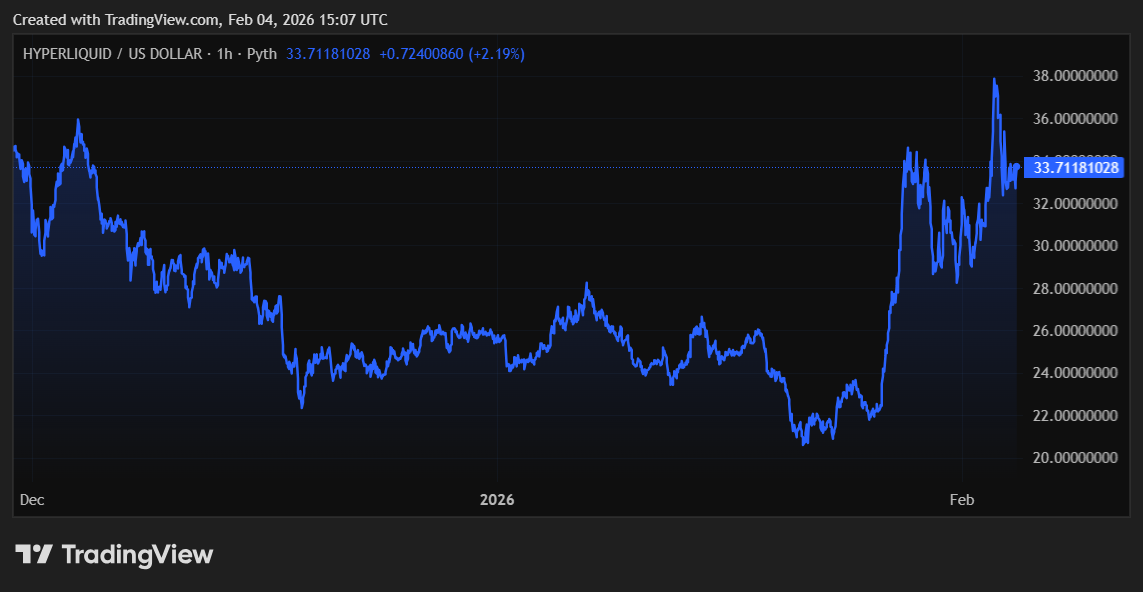
A Ripple Prime spokesperson said clients will continue to face Ripple Prime as their sole counterparty, even when trading on Hyperliquid. In practice, Ripple Prime acts as an intermediary between clients and the underlying trading venues. This structure allows institutions to manage risk, margin, and exposure across multiple platforms under one unified framework, rather than maintaining separate arrangements with each venue.
The Hyperliquid addition represents Ripple Prime’s first direct connection to a DeFi protocol. The integration reflects a broader trend of institutional firms exploring decentralized markets, but doing so through services that mirror traditional prime brokerage models. Ripple Prime has indicated plans to support both centralized and decentralized liquidity sources as institutional activity in DeFi continues to expand.
Michael Higgins, international CEO of Ripple Prime, said the company sees the move as a natural evolution of its platform. He noted that combining decentralized finance with established prime brokerage services can give institutional clients more efficient access to liquidity, trading opportunities, and a wider range of digital assets.
Ripple Prime was created following Ripple’s $1.25 billion acquisition of Hidden Road, a multi-asset non-bank prime broker. The deal was announced in April 2025, finalized in October 2025, and the business was later rebranded as Ripple Prime. According to Ripple, the platform serves more than 300 institutional clients and clears over $3 trillion in transactions each year across multiple markets.
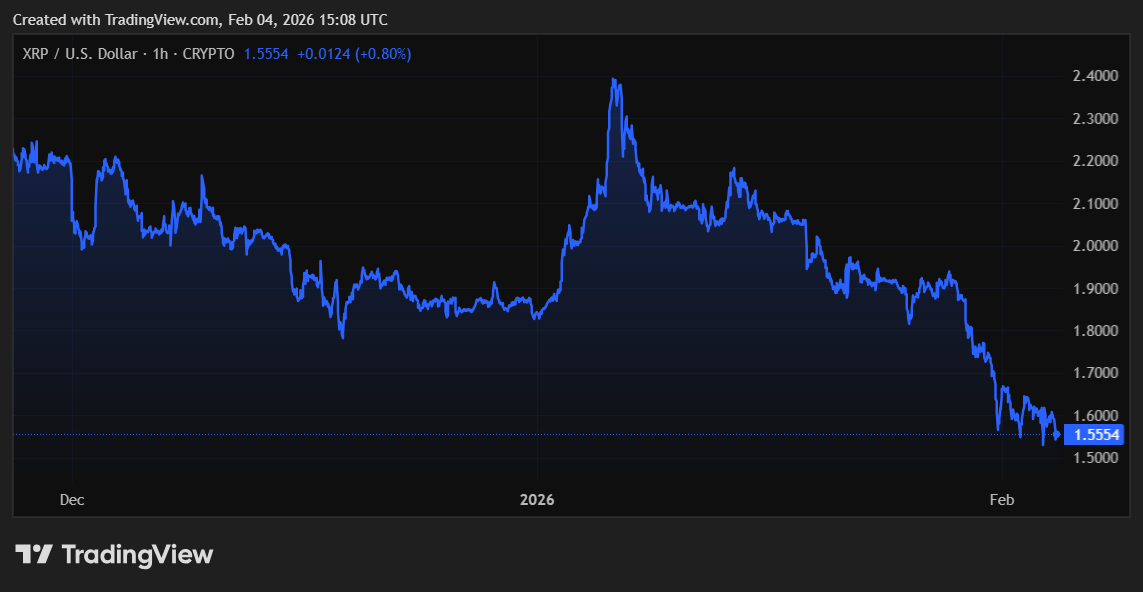
Since the acquisition announcement, Ripple has said Ripple Prime’s business has tripled in size, with further growth expected from both new and existing clients. The platform offers clearing, prime brokerage, and financing services across foreign exchange, digital assets, derivatives, swaps, and fixed income. XRP and Ripple’s RLUSD stablecoin are integrated into various parts of its product offering.



