

Convera processes payments across more than 140 currencies in nearly 200 jurisdictions, positioning it as a major gateway for cross-border flows. Its partnership with Ripple signals growing institutional adoption of stablecoin-based settlement infrastructure.
Ripple Labs and Convera announced a collaboration to integrate blockchain and stablecoin rails into global payment operations. The model uses a “stablecoin sandwich,” where transactions originate and settle in fiat currencies but move through stablecoins in transit. Convera, acquired for $910 million in 2021, brings an established enterprise client base to the integration.
How Will Stablecoins Improve Cross-Border Payments?
The structure is designed to reduce friction without requiring enterprises to directly manage digital assets. Stablecoins act as an intermediary layer, enabling faster settlement and potentially lower costs compared to traditional correspondent banking systems. Ripple will support the framework through its XRP Ledger and its dollar-pegged stablecoin, RLUSD.
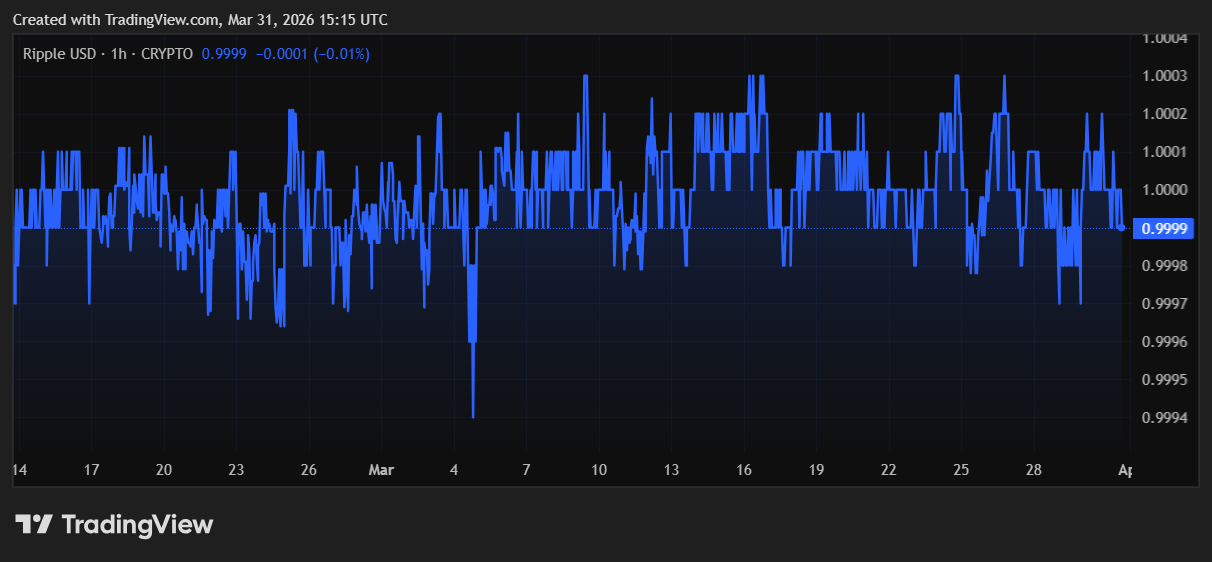
But the partnership reflects a broader shift in payment infrastructure. Financial institutions are increasingly exploring hybrid models that combine fiat endpoints with blockchain-based settlement layers. Ripple has expanded its network through multiple partnerships and recently joined a cross-border trade settlement initiative led by the Monetary Authority of Singapore.
“With the growing presence and use of digital currencies… Convera has maintained a thoughtful approach,” said CEO Patrick Gauthier.
Ripple’s Aaron Slettehaugh added that enterprises are seeking faster and more flexible payment methods without assuming direct exposure to crypto assets.
Still, competition is intensifying as both fintech firms and banks test similar models. Traditional players are upgrading legacy rails, while crypto-native firms push stablecoin adoption as a settlement standard. Will hybrid payment models become the default for global transfers as infrastructure matures?
The next catalyst will be real-world deployment metrics, particularly transaction volumes processed through the stablecoin layer and whether enterprise clients scale adoption across high-value payment corridors.



