

Revolut is deepening its push into digital assets, choosing Polygon as its preferred blockchain for stablecoin transfers, payments, and trading. The European fintech firm, which serves more than 65 million users across 38 countries, announced the move as part of a broader plan to bring faster and cheaper cross-border transactions into its core app experience.
Polygon Labs called the integration a milestone, saying Revolut users who opt in will be able to send and receive stablecoins over Polygon’s network with minimal fees and no geographic barriers. The app will offer native on- and off-ramps, so customers can move between crypto and traditional currencies without leaving the platform.
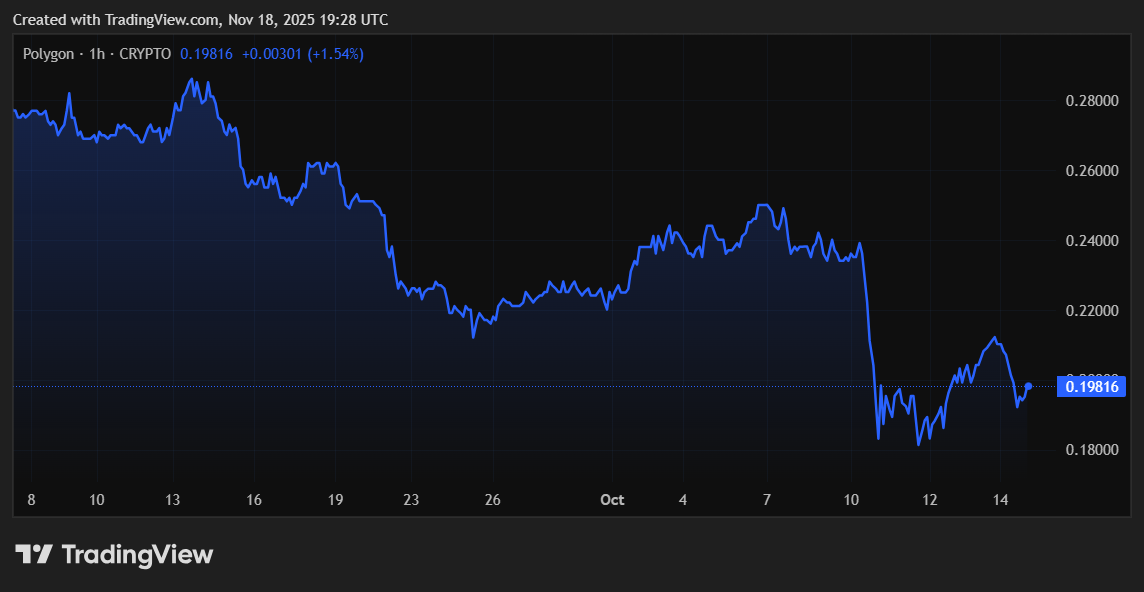
A growing partnership
The collaboration marks the first phase of what the companies described as an ongoing relationship. Revolut users have already leaned heavily on Polygon: more than 690 million dollars in user volume has flowed through the network as of November, according to the announcement.
By expanding the partnership, Revolut plans to integrate several Polygon-powered services directly into its app. That includes low-cost transfers using USDC and USDT, in-app crypto card payments, and staking functionality for POL, Polygon’s native token.
Polygon Labs noted that Revolut will cover gas fees for eligible transfers, a move designed to lower friction for everyday users and make cross-border remittances more affordable.
Part of a broader industry shift
The news follows Mastercard’s decision to use Polygon for the early rollout of its Mastercard Crypto Credential program, which extends identity verification to self-custody wallets. Payments firm Mercuryo is the program’s first adopter. Polygon also powers new stablecoin products from DeCard and R25, signaling its continued traction in payments and real-world asset applications.
 November 18, 2025
Stablecoin activity on Polygon remains strong. Roughly 3.2 billion dollars’ worth of stablecoins are currently issued on the network, based on data. The momentum comes shortly after Polygon’s Rio upgrade, which introduced stateless block verification and other changes aimed at making the network faster, lighter, and more suitable for global payments.



