

What Is a REST API?
If you’ve spent any time building or integrating software, you’ve probably bumped into the term REST API. It shows up everywhere in tech, from crypto exchanges and fintech dashboards to AI services and mobile apps. At its core, a REST API is simply a way for two systems to talk to each other over the internet in a predictable, lightweight format.
The challenge it solves is simple. Modern software lives across different platforms, languages, and environments. Getting them to share data without breaking is harder than it sounds. REST (short for Representational State Transfer) gives developers a clean, consistent set of rules to follow so systems can communicate without knowing each other's internal details.
How REST Architecture Works
REST isn’t a product. It’s an architectural style built around a few clear principles that help keep web services fast, scalable, and easy to maintain.
Client and Server Stay Independent
The client (like your browser or a trading app) requests information. The server sends back what the client asked for. Each side focuses on its job. This separation keeps systems flexible and easier to scale.
Every Request Stands on Its Own
REST is stateless, meaning the server doesn’t remember past requests. Each request packs all the info the server needs to understand it. This cuts down complexity and reduces errors caused by lingering session data.
Caching Makes Everything Faster
When responses are marked as cacheable, clients can reuse them instead of hitting the server again. For heavy workloads—think APIs serving thousands of price updates per second—caching saves bandwidth and money.
Layers Keep the System Organized
Traffic might route through load balancers, security checks, or proxies, but the client doesn’t need to know. Each layer does its job without interfering with the others. This setup improves security and resilience.
A Uniform Interface
REST relies heavily on standard HTTP methods—GET, POST, PUT, DELETE—so developers know exactly how to interact with resources. While other protocols can work, HTTP remains the easiest and most widely supported.
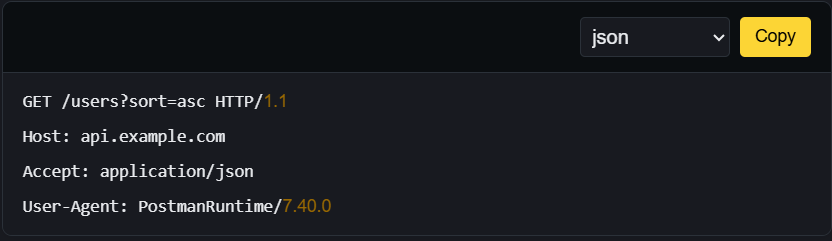
Anatomy of a REST API Request
Whenever a client sends a REST API request, a few pieces come together.
HTTP Method
The method tells the server what you want to do:
- GET reads information.
- POST sends new data.
- PUT updates or fully replaces a resource.
- DELETE removes something.
Other methods exist, but these four cover the basics.
URL (Endpoint)
This is the address of the resource. For example:https://api.exchange.com/v1/markets
Headers
Headers add context, like the format of the data being sent or what the client expects back. Common examples:
Content-Type: application/jsonAccept: application/json
Body (Optional)
Used mainly for POST or PUT requests. This is where the actual data lives, often in JSON.
Query Parameters
Anything added after a ? in the URL. For example:?limit=50&sort=asc
These help filter, sort, or customize the request.
What a Server Sends Back
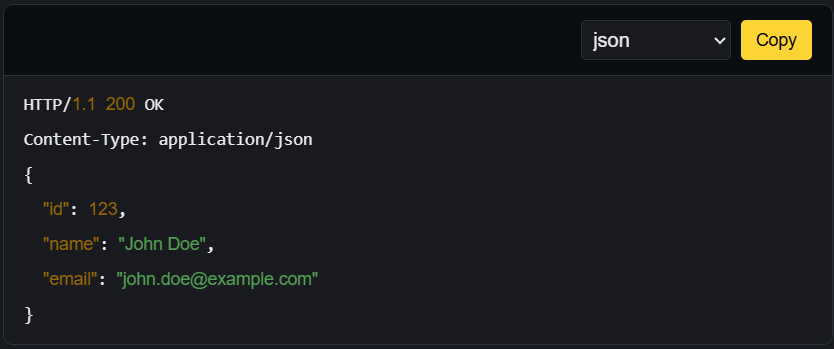
Once the server processes the request, it responds with three main components.
Status Code
This tells you what happened:
- 2xx success
- 4xx client error
- 5xx server error
For example, a 500 Internal Server Error means something went wrong on the server side.
Response Headers
These include details like content type, cache rules, and timestamps.
Response Body
This is the actual data—usually JSON—that the client requested.
Final Thoughts
REST APIs are the backbone of modern software. They keep apps connected, data flowing, and digital services working smoothly across industries. Whether you’re building a crypto tracker, AI chatbot, e-commerce backend, or internal business tool, understanding REST gives you the foundation to create fast, reliable, and scalable integrations.



