

In one of the fastest fundraising events in crypto history, Pump.fun pulled off a staggering $500 million token sale in just 12 minutes on July 12, 2025. The event marked the platform’s transition from a meme-fueled launchpad to a high-stakes player in decentralized finance (DeFi), spotlighting the power—and the peril—of retail-driven speculation.
the $PUMP public sale has now ended.
— pump.fun (@pumpdotfun) July 12, 2025
we are delighted to reveal that the $PUMP public sale was able to sell out in only 12 minutes.
we would like to thank our entire community for participating!
the $PUMP tokens will now enter the distribution phase 👇🏻 pic.twitter.com/uqhQwRkL4f
The sale featured 125 billion PUMP tokens, or 12.5% of the platform’s 1 trillion token supply, and attracted over 10,000 wallets. Most of the transaction volume—nearly $448 million—was processed on Solana, reflecting both the network’s speed and the retail frenzy behind the event. Major centralized exchanges like Kraken, KuCoin, and Bybit also participated, though not without issues. API overloads briefly cut off access, and some users were later reimbursed by Pump.fun for failed transactions.
A Viral Launch Engine Built for Speed and Spectacle
Pump.fun has made a name for itself by turning token launches into internet spectacles. Anyone can spin up a token, list it, and ride the wave of speculative momentum. Many projects collapse as fast as they’re created, but that volatility is part of the allure. Think meme culture meets livestream hype—now supercharged by low-cost Solana rails and instant liquidity on PumpSwap.
The launch of PUMP wasn’t just a flex. It followed a private round that raised $700 million, pushing total capital raised to $1.2 billion. The platform quickly moved to deploy some of that war chest, acquiring Kolscan, a wallet analytics tool, and investing in real-time infrastructure upgrades to support more seamless token tracking.
Pump.fun also announced a buyback strategy funded by trading fees—reportedly over $60 million in the first two days—to help support PUMP’s price by reducing circulating supply. All tokens remain locked for 72 hours post-sale, a move that added urgency and further fueled fear of missing out (FOMO) among early buyers.
Retail Mania, Whale Games, and Regulatory Limits
But not all was smooth. Onchain analysts flagged suspicious wallet activity, including one whale who allegedly funded 500 wallets with identical sums to dodge Sybil protections and inflate apparent demand. Similar tactics surfaced on crypto forums and trading communities, casting doubt on the fairness of the sale.
Adding to the controversy, the event excluded US and UK residents—likely a nod to regulatory pressure. The UK’s Financial Conduct Authority (FCA) has already flagged the platform as unauthorized, while a class-action lawsuit in New York accuses Pump.fun of selling unregistered securities and facilitating pump-and-dump schemes.
Speculation vs. Sustainability
While PUMP’s price surged as much as 75% above its initial $0.004 offering on platforms like Hyperliquid, critics argue the project’s fundamentals are paper-thin. Solidus Labs reports that out of 7 million tokens launched via Pump.fun, over 98% have already collapsed—leaving only a sliver with more than $1,000 in liquidity.
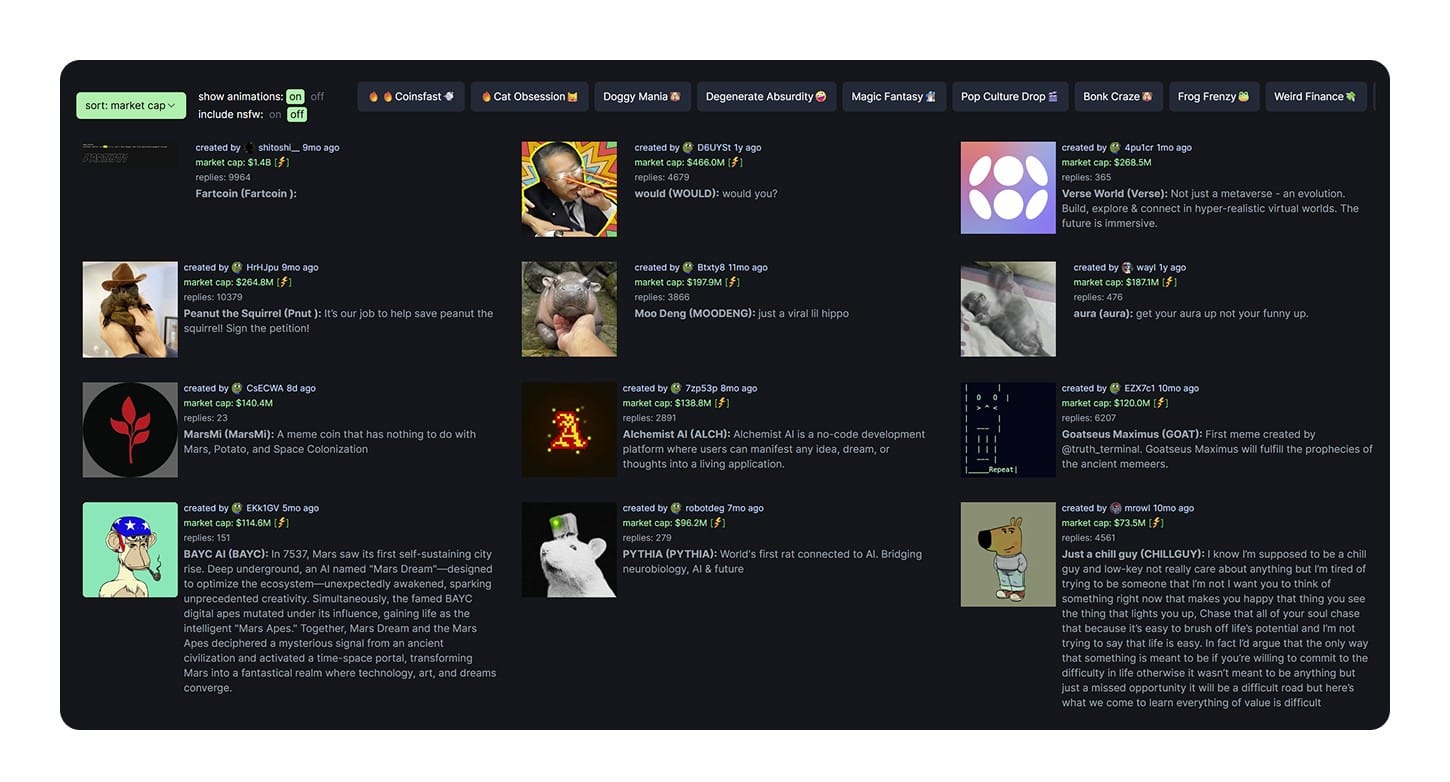
Still, it’s hard to ignore what Pump.fun represents: a shift in how retail crypto products are created, launched, and monetized. With lightning-fast deployment, creator revenue sharing, and Twitch-style livestreaming baked into the experience, it’s a far cry from the ICOs of 2017. Yet for all the tech upgrades, the underlying dynamics remain familiar—hype, speed, and a high tolerance for risk.



