

Pudgy Penguins sold more than one million plush toys within a year of entering retail stores. That commercial expansion now sits at the center of a trademark dispute with a clothing brand that traces its origins to 1955.
PEI Licensing, owner of the Penguin apparel trademark, filed a lawsuit against the NFT project in the United States District Court for the Southern District of Florida. The company alleges that Pudgy Penguins’ retail merchandise strategy infringes on its long-standing Penguin brand and misleads consumers about potential affiliations.
According to the complaint, PEI sent a cease-and-desist letter to Pudgy Penguins in October 2023. The filing states that the NFT brand continued producing apparel and consumer products despite the warning.
Could Retail Success Turn Into A Legal Liability?
The dispute highlights the broader pivot many NFT brands attempted after digital collectible markets cooled. Projects that once relied on secondary trading royalties began experimenting with physical merchandise and mainstream retail distribution.
Few have expanded as quickly as Pudgy Penguins. The brand placed plush toys in large retailers including Walmart and Target, reaching audiences well beyond the traditional NFT market.
But that crossover into traditional retail also introduces new intellectual property risks. Unlike crypto-native branding disputes, consumer products fall squarely within established trademark law frameworks.
“Defendant knew, or should have known, that Defendant’s unauthorized use of Defendant’s Marks would cause an injury,” PEI’s lawyers wrote in the filing.
They argued the branding may create the “incorrect belief” that Pudgy Penguins has a connection with the Penguin apparel company.
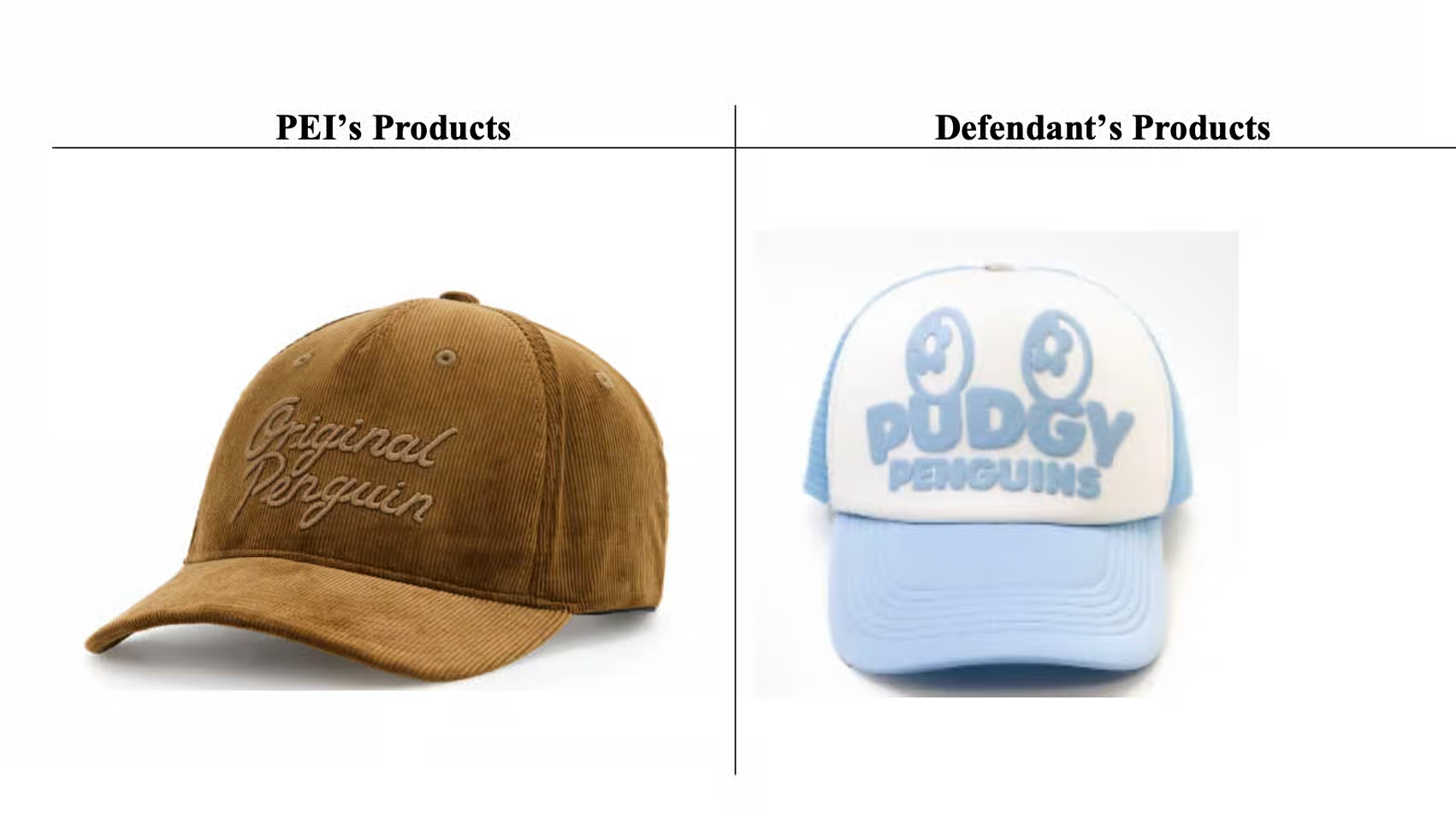
The lawsuit seeks monetary damages, including profits generated from the alleged infringing products and compensation for harm to PEI’s brand value. The company has also requested a jury trial.
The legal clash arrives as NFT companies increasingly attempt to build intellectual property franchises beyond digital collectibles. What happens when internet-native brands collide with decades-old trademarks?
The next milestone will likely come as the Florida court determines whether Pudgy Penguins’ retail branding crosses the threshold for consumer confusion under U.S. trademark law.



