
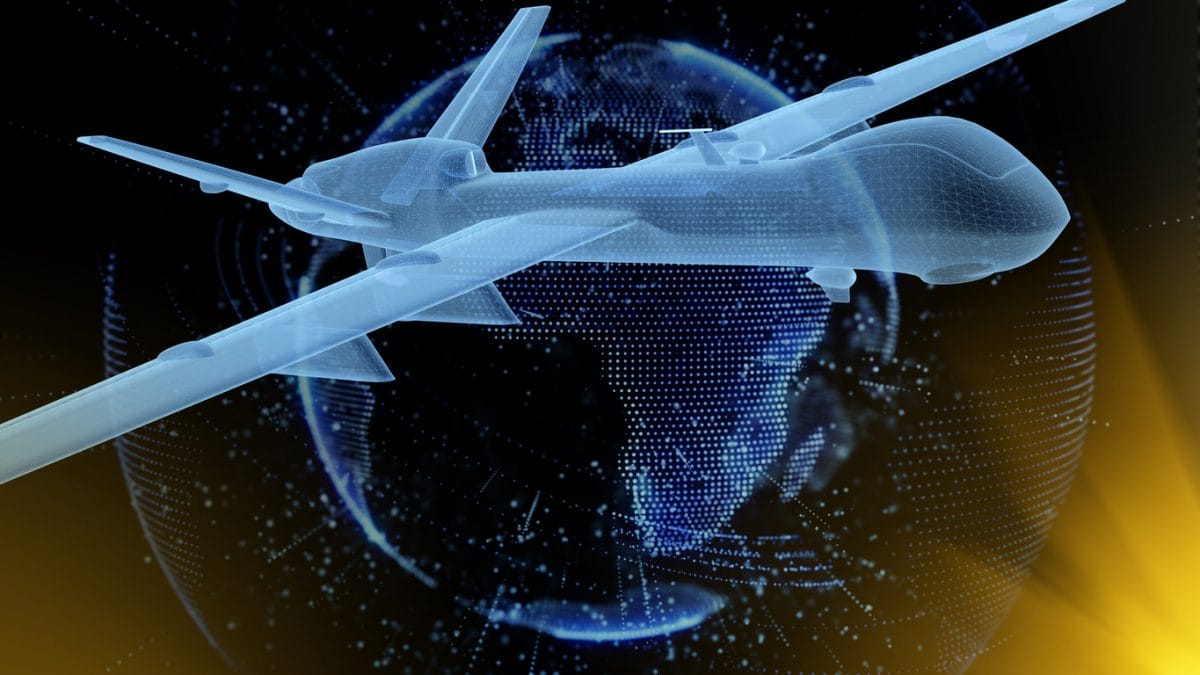
U.S. strike operations reached over 1,000 targets within the first 24 hours of a recent campaign, reflecting a sharp acceleration in battlefield execution. The tempo highlights the growing role of artificial intelligence in compressing decision cycles from analysis to action.
At the center is Project Maven, a Pentagon initiative launched in 2017 to process vast volumes of surveillance data. Originally built to assist analysts reviewing drone footage, the system now integrates satellite imagery, sensor inputs, and troop intelligence into a unified targeting interface.
How Does AI Reshape Modern Battlefield Targeting?
Maven functions as an operational overlay, merging real-time data streams to generate actionable insights for commanders. According to officials, it can identify threats, assess available assets, and present strike options within seconds rather than hours.
The system’s expanded role aligns with broader military adoption of AI-assisted decision tools. While early deployments focused on data filtering, current implementations emphasize end-to-end targeting workflows, marking a shift toward semi-automated command systems.
During a demonstration, a Pentagon official said Maven can “magically” convert observed threats into targeting decisions. Yet as reliance grows, can such systems balance speed with accountability in high-stakes environments?
The program’s development has also exposed tensions within the technology sector. Google exited its involvement in 2018 following internal protests, while Palantir Technologies now provides core infrastructure supporting Maven’s operational backbone.
Recent advances in generative AI have further enhanced usability through natural language interfaces, including integrations with models like Claude. However, disagreements over constraints on automated targeting have complicated partnerships with AI providers.
Operational data suggests sustained intensity, with strike activity stabilizing between 300 and 500 targets per day, according to the Center for Strategic and International Studies. The next phase to watch is how expanded AI integration shapes both military effectiveness and regulatory scrutiny around autonomous systems.



