

ProCap Financial is integrating real-time prediction market data into its research platform. The move introduces a new data input for institutional investors seeking alternative signals beyond traditional market indicators.
The Nasdaq-listed firm, founded by Anthony Pompliano, announced a partnership with Kalshi on Tuesday. ProCap said this marks the first time Kalshi’s event market data will be distributed through a subscription-based financial research product.
Can Prediction Markets Improve Investment Signals?
ProCap Insights will incorporate Kalshi data into reports covering individual contracts, broader platform trends, and potential pricing inefficiencies. The firm said it will use artificial intelligence to process these inputs and generate research outputs alongside existing datasets.
Kalshi operates as one of the leading prediction market platforms, where participants trade on the outcomes of real-world events. According to Kalshi Research data cited by ProCap, these markets outperform Wall Street consensus forecasts by 40% and match or exceed 85% of inflation predictions one week in advance.
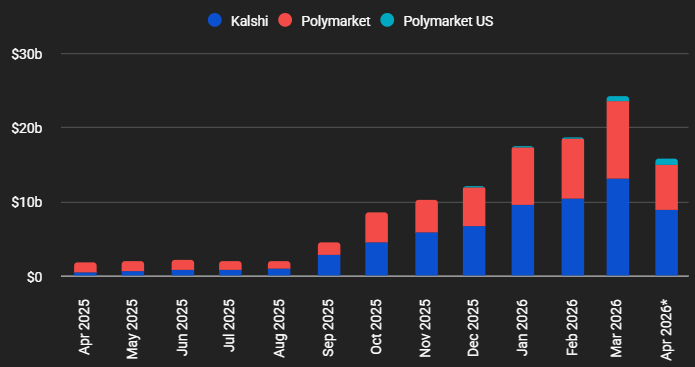
The partnership reflects growing institutional interest in prediction markets as a complementary signal source. Last month, ARK Invest also used Kalshi data in its investment process, highlighting increased adoption among asset managers exploring non-traditional data.
ProCap combines this approach with a bitcoin-focused treasury strategy and AI-driven research model. The firm currently holds 5,457 bitcoin and has outlined plans to acquire up to $1 billion in bitcoin as part of its broader capital allocation strategy.
Regulatory dynamics remain a key variable shaping the sector’s expansion. Kalshi operates under oversight from the Commodity Futures Trading Commission (CFTC, US), which has asserted jurisdiction over prediction markets amid ongoing disputes with several US states.
Future adoption will depend on both regulatory clarity and whether prediction market signals consistently outperform traditional forecasting tools, with further institutional integrations likely serving as the next indicator of traction.



