

YZi Labs, a $10 billion venture vehicle backed by Binance co-founder Changpeng Zhao, has increased its investment in Predict.fun. The move signals rising institutional interest in crypto-native prediction markets ahead of a major global sports cycle.
The follow-on round includes Susquehanna Crypto, a proprietary trading firm, supporting Predict.fun’s development of onchain prediction infrastructure. Binance recently confirmed it is testing an in-app prediction market feature with the platform, which was incubated within YZi Labs and operates on BNB Chain.
— YZi Labs (@yzilabs) April 2, 2026
Can World Cup Demand Drive Prediction Market Growth?
Prediction markets are gaining traction as a new category for crypto liquidity. Platforms such as Polymarket and Kalshi are pursuing multi-billion dollar valuations through partnerships with media and trading firms. By comparison, Predict.fun remains earlier stage but is positioning around capital efficiency and native blockchain settlement.
Adoption remains uneven across sectors. Sports and political contracts dominate trading activity, but regulatory and institutional pushback persists. The National Football League recently asked platforms including Polymarket and Kalshi to scale back certain offerings, highlighting ongoing friction between traditional stakeholders and decentralized markets.
“YZi Labs’ continued investment reflects strong conviction in the prediction market sector and the phenomenal growth of Predict.fun,” the firm said in a statement.
Changpeng Zhao has previously identified prediction markets as a key destination for crypto capital, particularly around large-scale events like the FIFA World Cup. Could global sporting demand act as a catalyst for sustained user growth?
The timing aligns with broader experimentation by exchanges and fintech firms. Binance’s in-app testing suggests centralized platforms may integrate prediction features directly, potentially expanding user access while retaining custody and compliance controls. At the same time, competitors are scaling through partnerships rather than native exchange integration.
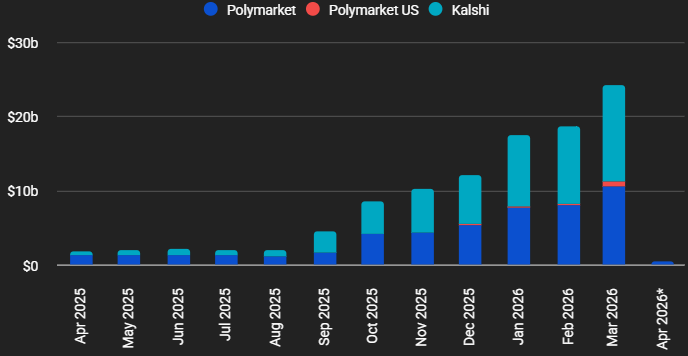
Near-term growth will depend on user engagement during major events and the ability to navigate regulatory scrutiny across jurisdictions. The next catalyst will be whether World Cup-driven volumes translate into durable liquidity beyond episodic spikes.



