

A new venture firm targeting prediction market startups is raising $35 million, even as U.S. lawmakers move to restrict parts of the sector’s core business model. The timing highlights a widening gap between investor appetite and regulatory risk.
The fund, 5c(c) Capital, is backed by Shayne Coplan and Tarek Mansour, alongside investors including Marc Andreessen and Kyle Samani, according to Fortune. The firm is led by former Kalshi operators Noah Zingler-Sternig and Adhi Rajaprabhakaran.
 Ben Weiss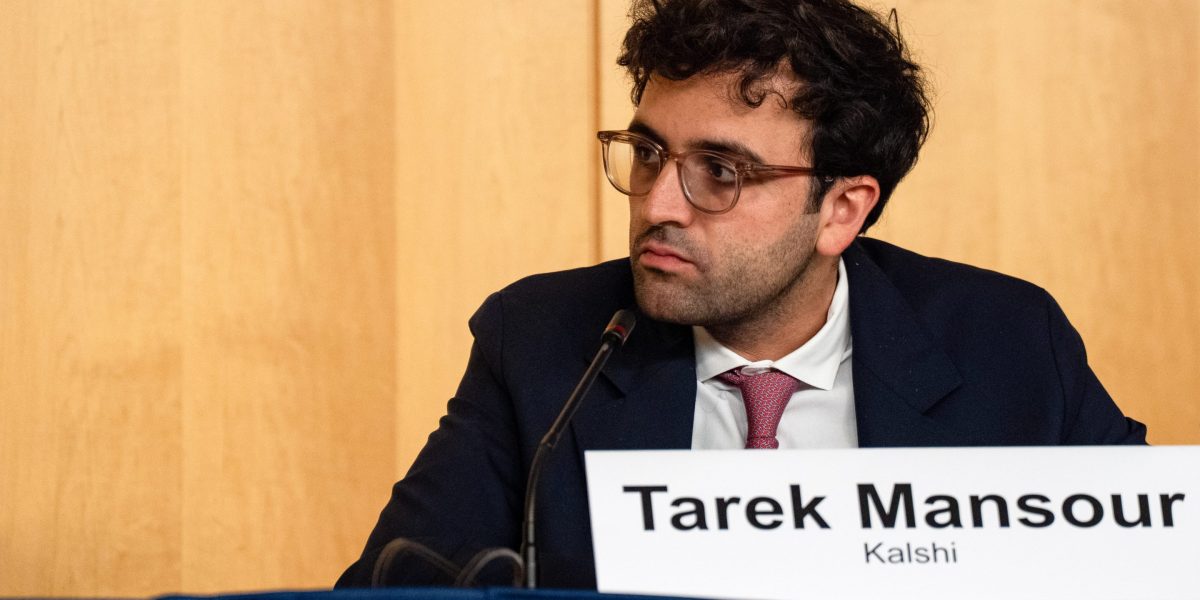
Can Investment Outpace Regulatory Headwinds In Prediction Markets?
Capital inflows continue despite escalating legal scrutiny across U.S. jurisdictions. Kalshi recently raised $1 billion at an estimated $22 billion valuation, while Polymarket is reportedly pursuing a similar valuation range, signaling sustained investor demand. At the same time, new entrants and service providers are launching to support liquidity, infrastructure, and market expansion.
Yet regulatory pressure is intensifying in parallel. Federal lawmakers are advancing proposals to restrict sports-linked contracts, while multiple states have initiated enforcement actions against operators. Established firms such as Coinbase and DraftKings are also evaluating the sector, increasing competitive and compliance complexity. Does fresh capital signal confidence, or a race against tightening rules?
Mansour criticized proposed restrictions, writing that bans would push activity offshore rather than protect users, arguing regulated platforms offer stronger safeguards than unregulated alternatives. Meanwhile, Polymarket has updated its terms of service to tighten controls on insider trading and market manipulation, reflecting growing scrutiny from both regulators and counterparties.
The fund’s name references a clause in the Commodity Exchange Act that defines the Commodity Futures Trading Commission’s authority over event contracts, underscoring the centrality of legal interpretation to the sector’s future. The next catalyst will be whether regulatory clarity emerges or capital deployment accelerates ahead of potential restrictions.



