

Polymarket has filed a federal lawsuit against the state of Massachusetts, intensifying a growing legal dispute over who has the authority to regulate prediction markets in the United States. At the center of the conflict is a fundamental question: are event-based prediction contracts a form of federally regulated financial derivatives, or do they fall under state gambling laws?
The lawsuit was announced Monday by Polymarket’s chief legal officer, Neal Kumar, in a post on X. Kumar said the company is asking a federal court to step in, arguing that Congress has given exclusive regulatory authority over event contracts to the U.S. Commodity Futures Trading Commission (CFTC), not individual states.
“These are national markets with critical questions that must be resolved in federal court,” Kumar wrote. He added that state-level efforts to shut down prediction market platforms do not override federal law.
Today, we filed a lawsuit in federal court against Massachusetts. Congress gave the CFTC, not states, exclusive authority over event contracts.
— Neal Kumar (@HereComesKumar) February 9, 2026
These are national markets with critical questions that must be resolved in federal court 🧵
States tighten scrutiny on prediction markets
The legal challenge comes as several states move to classify sports-related prediction contracts as gambling products that require state licenses. Massachusetts has been among the most aggressive.
Last month, a state judge ruled that rival platform Kalshi could not allow Massachusetts residents to trade sports-event contracts without first securing a state gaming license. The court agreed with Attorney General Andrea Joy Campbell’s position that the contracts amounted to unlicensed sports betting. A request from Kalshi to pause the ruling during its appeal was later denied, giving the company 30 days to comply with the order.
Massachusetts is not alone. Nevada regulators have also taken action against Kalshi, Polymarket, and affiliated partners offering sports-linked contracts. Coinbase, which has supported similar event-based products, is facing state-level litigation as well.
Mixed rulings across the country
Courts in other states have reached different conclusions, highlighting the legal uncertainty surrounding prediction markets. In January, a federal judge temporarily blocked Tennessee from enforcing a cease-and-desist order against Kalshi. The court said it would first consider whether federal commodities law preempts state gambling regulations.
 Reuters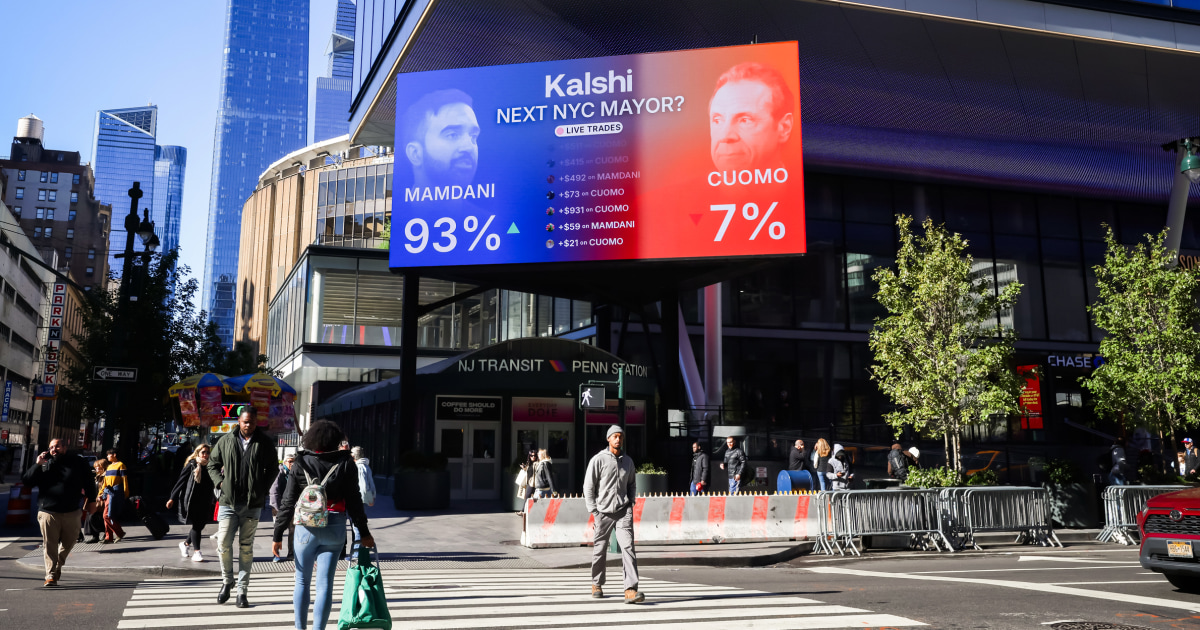
That question—federal versus state jurisdiction—is now at the heart of multiple lawsuits.
Prediction market operators maintain that their products are derivatives governed by the CFTC under federal commodities law. States counter that when contracts are tied to sports outcomes, they resemble traditional wagering and should be regulated accordingly.
Shifting signals from federal regulators
The legal battles are unfolding against a backdrop of changing federal policy. Earlier this month, the CFTC withdrew a proposal introduced during the Biden administration that would have banned certain political event contracts. The agency also rescinded related guidance affecting sports-linked contracts, moves seen by industry observers as more favorable to prediction market platforms.
While the CFTC has not directly intervened in the state disputes, its recent actions may influence how courts view the balance between federal oversight and state authority.
What comes next
Polymarket’s lawsuit adds momentum to a broader legal reckoning that could shape the future of prediction markets in the U.S. A federal ruling clarifying jurisdiction would provide long-sought guidance for platforms, regulators, and users alike.
Until then, companies and states remain locked in a patchwork of legal fights, with outcomes that could redefine where financial innovation ends and gambling regulation begins.



