

Perplexity AI’s surprise $34.5 billion offer to acquire Google’s Chrome browser has jolted Silicon Valley, raising questions about whether the move is a genuine strategic play or an elaborate PR maneuver.
The unsolicited bid, announced last Tuesday, is nearly double Perplexity’s own $18 billion valuation and comes as Google faces mounting antitrust pressure in U.S. federal courts. Regulators are weighing whether the tech giant should be forced to divest Chrome, making the timing of Perplexity’s proposal particularly pointed.
A Bid That Raises Eyebrows
Perplexity has raised about $1.5 billion to date, including a recent $100 million extension round, but remains far from having the cash reserves needed for such a purchase. The company claims it has secured backing from investors to finance the acquisition but has provided no details on how the funding gap would be bridged.
Analysts question the offer’s financial feasibility. Wedbush tech analyst Dan Ives estimates Chrome’s value at no less than $50 billion, while DuckDuckGo CEO Gabriel Weinberg suggested it could fetch even more if Google were forced to sell. That places Perplexity’s bid well below market expectations.
Why Chrome?
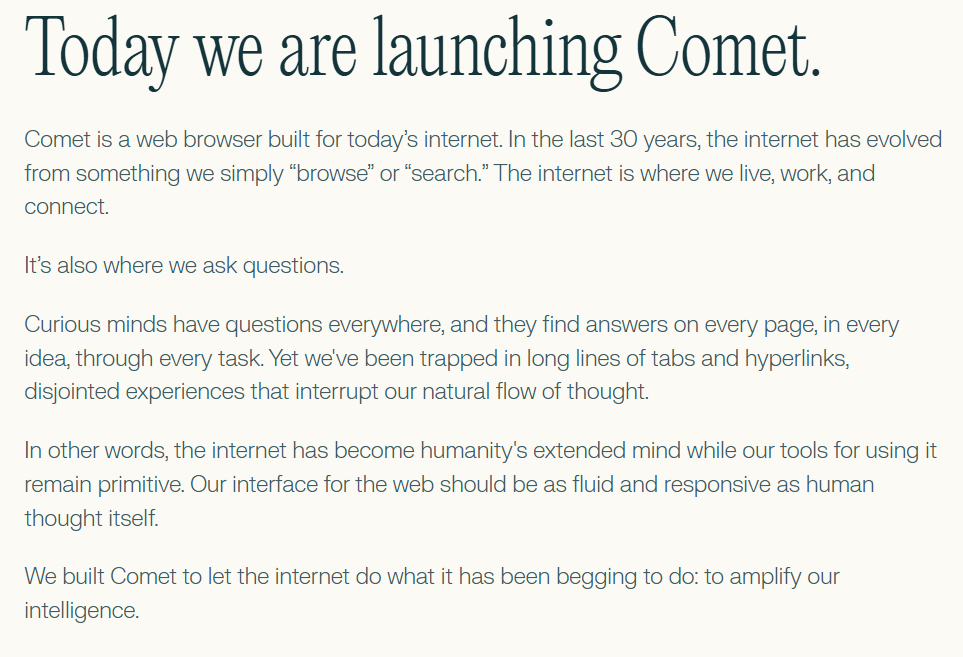
The strategic logic rests on browsers as the next battleground for AI-driven search. Perplexity recently launched its AI-native browser, Comet, but Chrome’s three billion users would dwarf its current 30 million monthly active users. Gaining control of Chrome would give Perplexity unprecedented access to global internet traffic, an advantage that could reshape the competitive landscape.
Still, doubts persist. Investor Heath Ahrens dismissed the move as “a stunt, and nowhere near Chrome’s true value.” Many industry voices echo that skepticism, pointing to both financial and strategic contradictions.
Terms That Defy Convention
Adding to the intrigue, Perplexity pledged to preserve Chrome’s existing user settings, keep Google as the default search engine, and invest $3 billion in Chromium, the open-source project underpinning Chrome. These assurances run counter to typical acquisition playbooks, where buyers usually leverage purchases to undercut rivals.
Analysts warn such promises may be short-lived if Perplexity were ever to gain control, since leaving Google in place as the default search engine would undermine its own AI-powered search ambitions.
Regulatory Clouds and Industry Context
The timing of the bid overlaps with ongoing antitrust litigation against Google. The company has yet to respond publicly and is appealing last year’s court ruling that declared its dominance in online search unlawful.
Perplexity’s proposal also follows reports that OpenAI expressed interest in acquiring Chrome, underscoring a broader trend: AI firms increasingly see browsers as pivotal to the future of search, advertising, and user engagement.
This isn’t Perplexity’s first audacious bid. Earlier this year, it floated a plan to merge with TikTok’s U.S. operations—a headline-grabbing move that never materialized.
Market Reaction and Bigger Picture
Investors appear unconvinced by the Chrome bid. Alphabet’s stock rose 1.4% after the announcement, suggesting markets see the move as more show than substance.
Still, the episode highlights how control of browsers—and, by extension, access to billions of internet users—has become a focal point in the AI arms race. For Perplexity, the bid may be less about closing a deal and more about positioning itself as a credible challenger to Google while showcasing the depth of its investor backing.



