
PayPal USD (PYUSD) is now accessible in 70 markets, extending far beyond its initial U.S. base. The expansion signals a material shift in how large payment firms deploy stablecoins for cross-border settlement and treasury use.
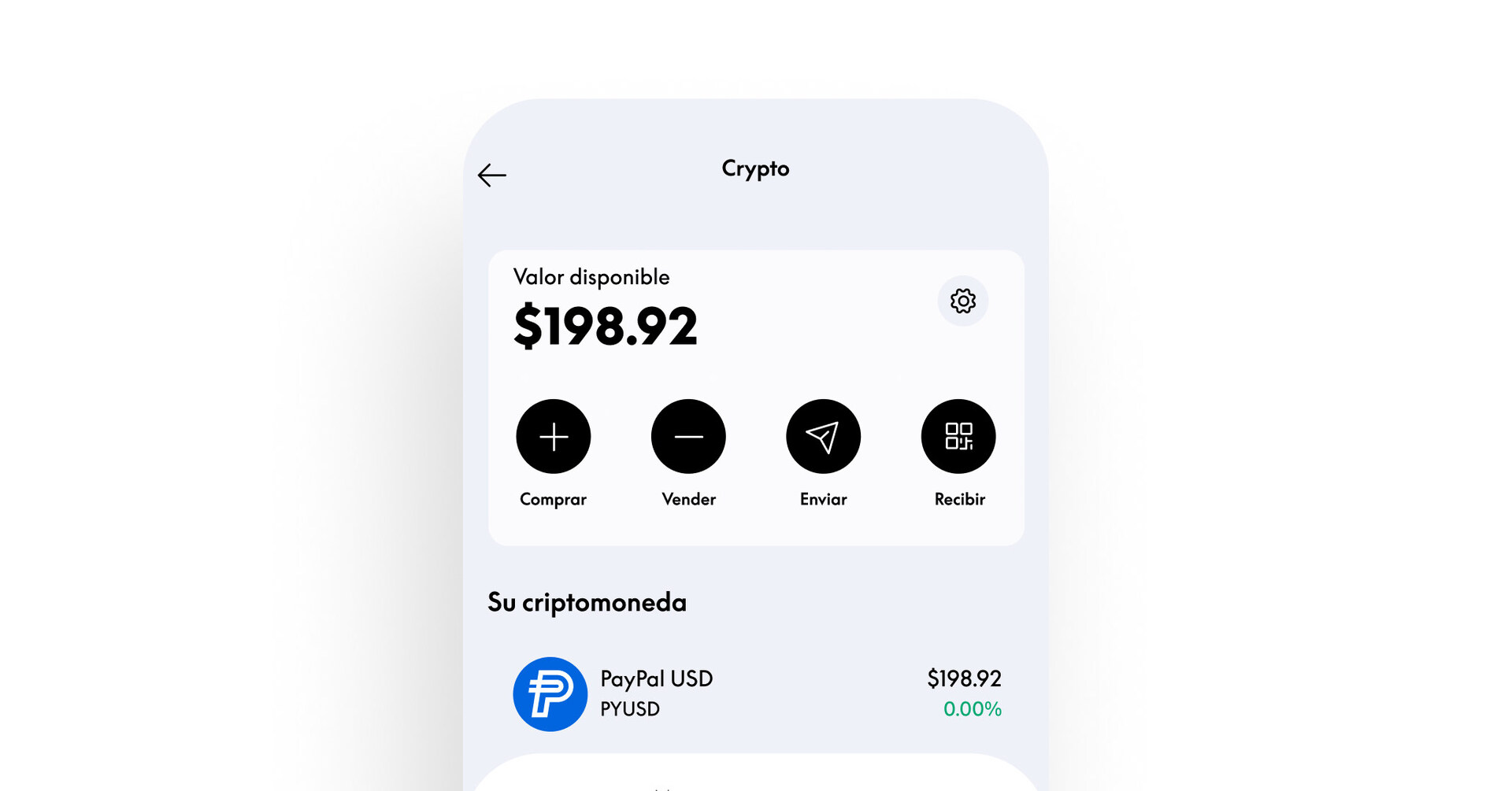
The rollout enables users in regions including Colombia, Costa Rica, Peru, and Singapore to buy, hold, send, and receive PYUSD directly within PayPal accounts. The company confirmed Tuesday that rewards will be offered on holdings in select markets, excluding Singapore and the UK. In Singapore, access is limited to business accounts.

Can PayPal’s Stablecoin Compete Globally?
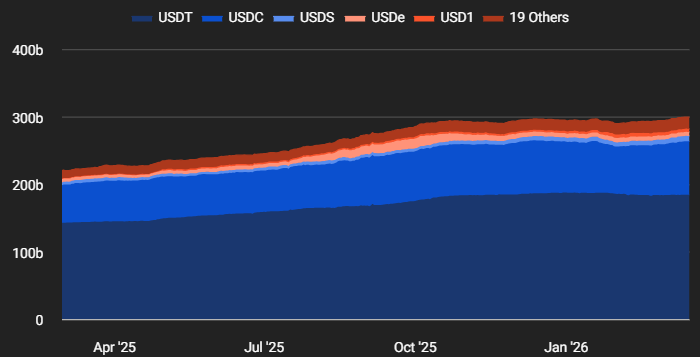
PYUSD’s market capitalization has reached $4.12 billion, up from roughly $1 billion in August, according to data. Yet the token remains small relative to the broader dollar-pegged stablecoin supply of about $298.4 billion, where Tether (USDT) accounts for roughly $184 billion and USD Coin (USDC) nearly $80 billion.
The token launched in 2023 through Paxos Trust Co. after a regulatory pause, initially on Ethereum before expanding to networks including Tron, Avalanche, and Sei via LayerZero. Still, its distribution model differs from crypto-native peers, as access is tied directly to PayPal’s payments infrastructure and user base.
“Enabling PYUSD in users’ accounts across 70 markets gives people faster access to their funds, lower-cost ways to send money across borders, and a more direct path to participating in the global economy,” said May Zabaneh, senior vice president and general manager of crypto at PayPal.
The firm added that merchants can receive funds within minutes rather than days, positioning PYUSD as a settlement layer rather than a speculative asset.
Adoption is extending into enterprise use cases, including insurance premium settlements with Aon and same-day invoice funding via TCS Blockchain. The next catalyst will likely hinge on whether PayPal expands integrations across its merchant network and increases utility in high-volume payment corridors.



