
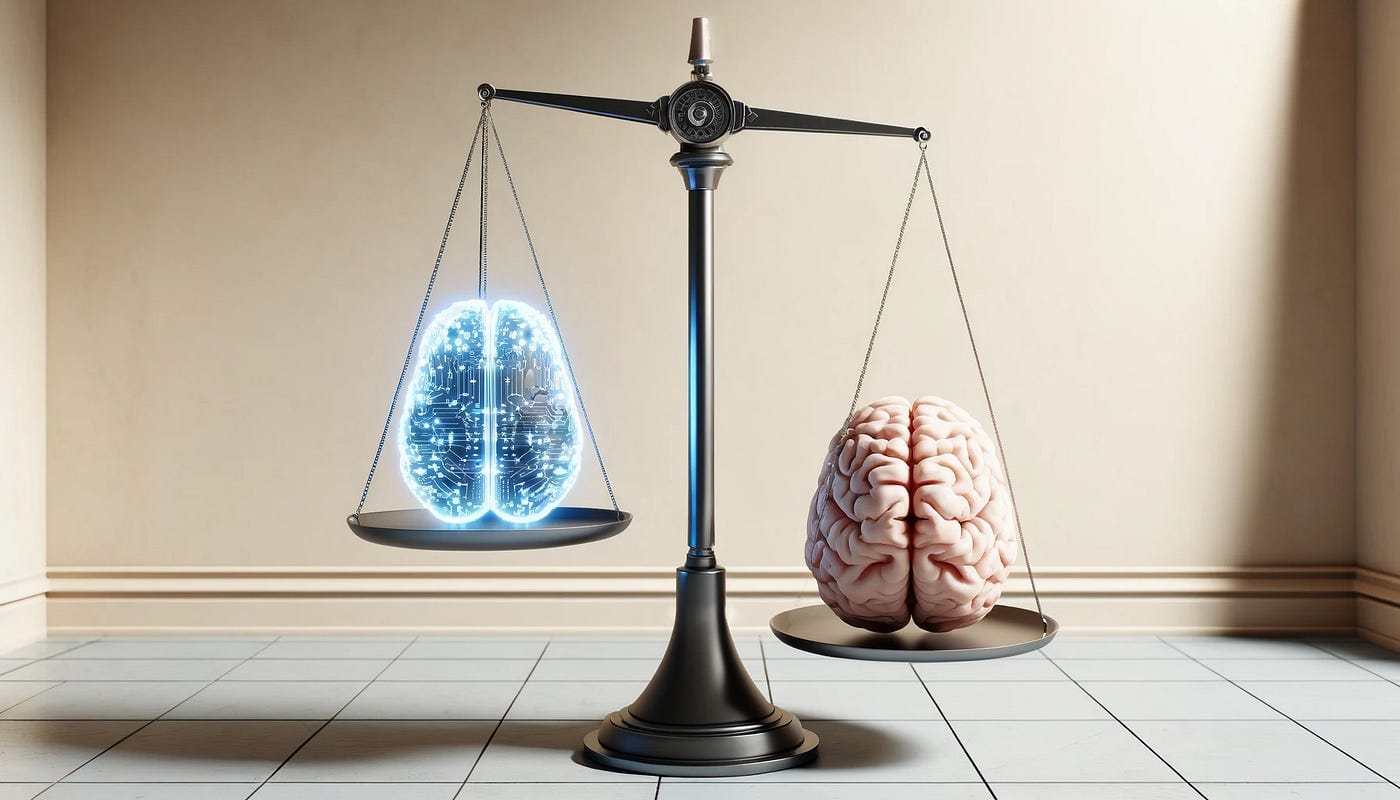
Artificial intelligence is reshaping industries and promises enormous economic potential—but a growing body of research suggests our dependence on it could be weakening the very skills needed to harness its power.
Business leaders are pouring millions into AI tools, spurred by projections such as Accenture’s estimate that the technology could add £736 billion to the UK economy. Yet learning scientists warn that an overlooked factor could undermine these investments: a human skills deficit.
A new report from training provider Multiverse argues that AI adoption will fall short—or even fail—if organisations neglect to develop the capabilities that make humans effective partners to the technology.
“Leaders are spending millions on AI tools, but their investment focus isn’t going to succeed,” said Gary Eimerman, Chief Learning Officer at Multiverse. “They think it’s a technology problem when it’s really a human and technology problem. Without a deliberate focus on capabilities like analytical reasoning and creativity, as well as culture and behaviours, AI projects will never deliver up to their potential.”


What makes an effective AI user
Multiverse’s research highlights a clear distinction between casual AI users and “power users.” The difference isn’t in technical know-how or perfect prompt writing—it’s in how people think, analyse, and adapt. The team identified 13 essential human skills that determine whether AI delivers real value.
Analytical reasoning, for example, allows users to break complex problems into AI-manageable parts, while also recognising when a task is better handled without the technology. Creativity drives experimentation and novel applications, rather than relying on AI for small improvements to existing work.
Resilience and adaptability are equally important. AI often delivers imperfect results on the first try, and it takes persistence—and a willingness to refine and fact-check—to turn those outputs into something useful.
Ethics and critical thinking still matter
The report also underscores the importance of ethical oversight, output verification, and critical thinking.
As Imogen Stanley, Senior Learning Scientist at Multiverse, explains: “We need to start looking beyond technical skills and think about the human skills that the workforce must hone to get the best out of AI. Skills like ethical oversight, output verification, and creative experimentation are the real differentiators of power AI users.”
Balancing human and artificial intelligence
The findings point to a larger question: are we training people to be passive consumers of AI output or active drivers of the process? While current discourse often centres on the technology itself, the researchers argue that long-term competitive advantage will come from the people who know how to guide AI effectively.
The message is clear—future success depends on cultivating human intelligence alongside artificial intelligence. Without strong analytical, creative, and ethical capabilities, we risk building a future where machines generate answers, but we no longer know how to ask the right questions.



